
Key facts
- Capital
- Islamabad
- Time zone
- UTC +5, no daylight saving
- Currency
- Pakistani rupee (PKR)
- Dialling code
- +92
- Languages
- Urdu and English, with Balti, Shina, Burushaski, Wakhi and Khowar in the north
- Electricity
- 230 V, 50 Hz. Plug types C and D are the most common
- Driving
- On the left
- Gateways
- Islamabad for the north, Lahore and Karachi for the south
The country in a paragraph
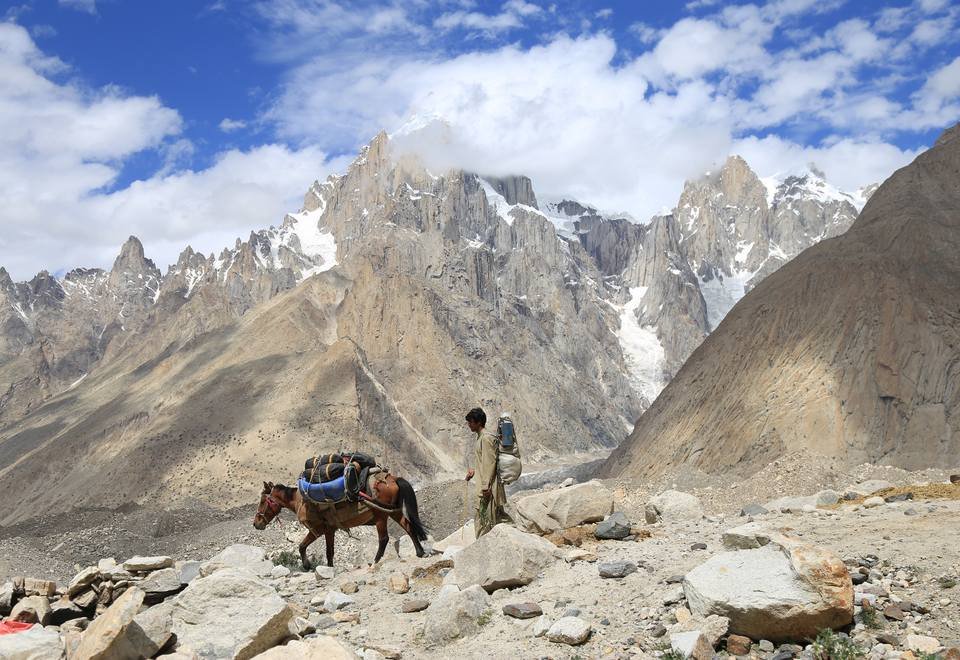
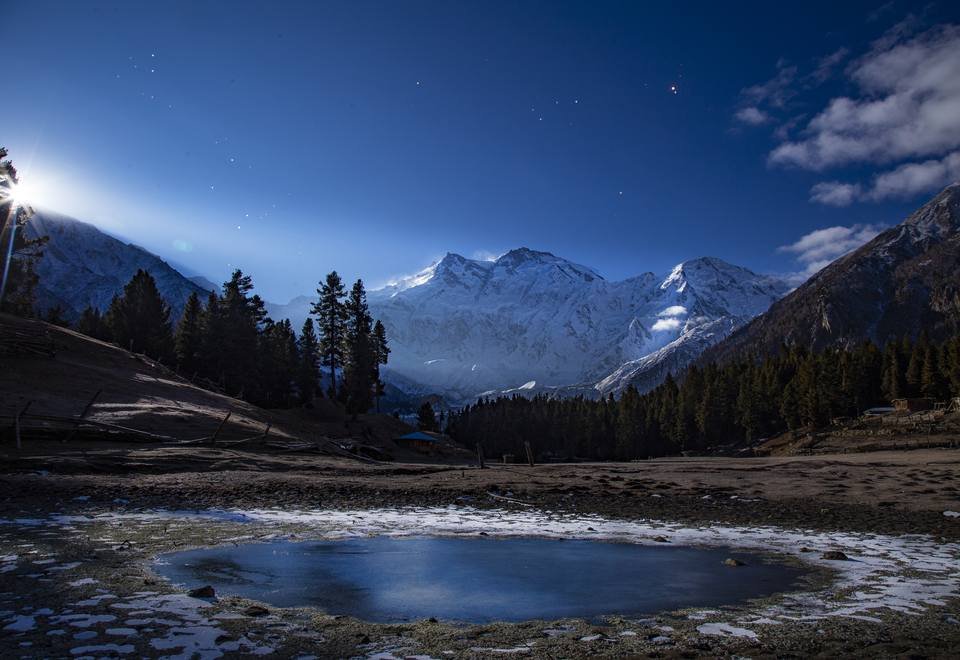
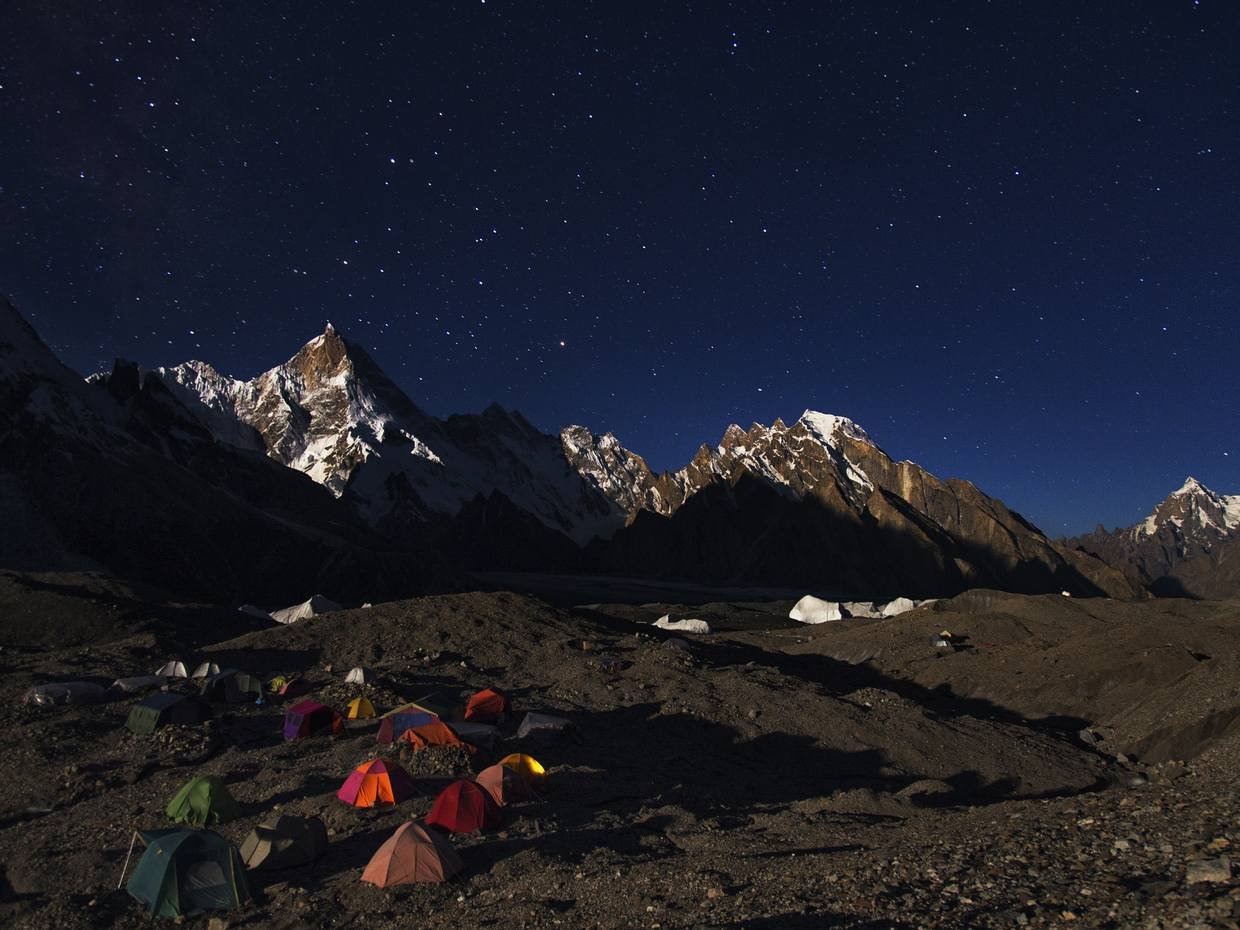
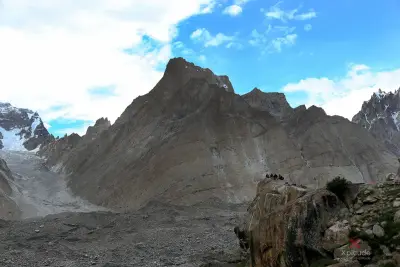
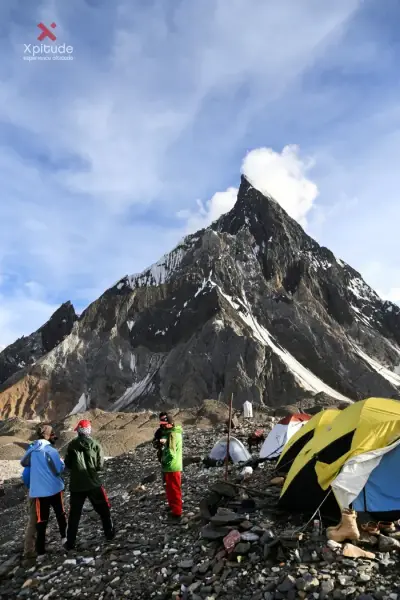
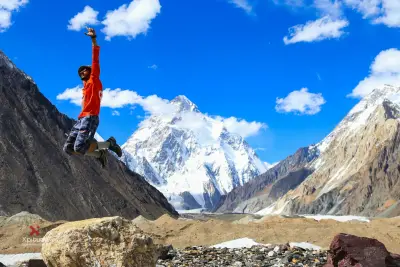
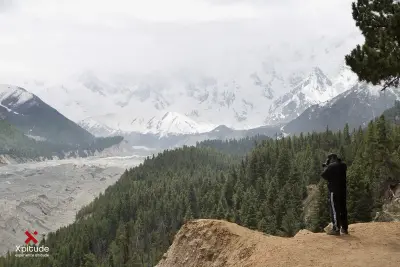
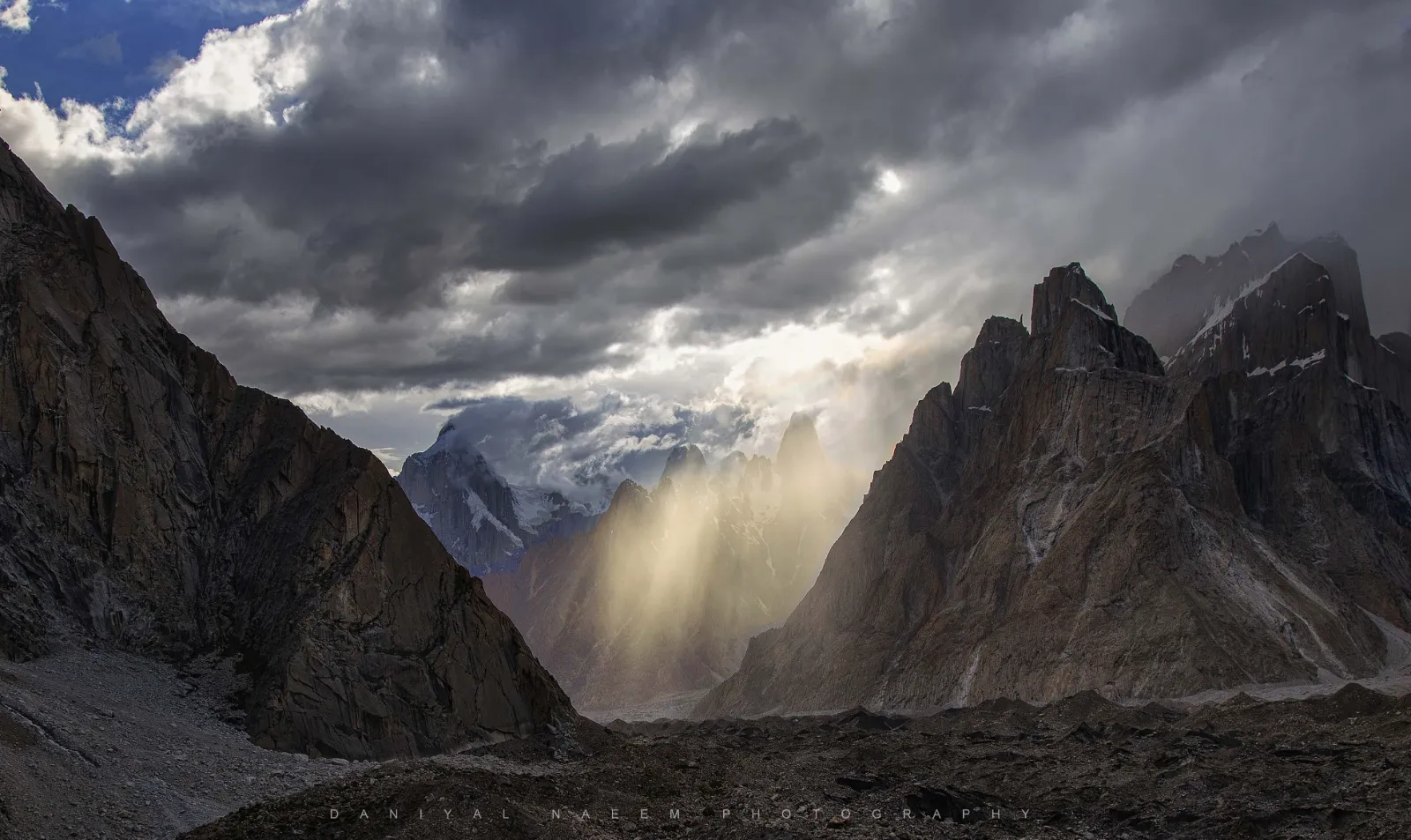
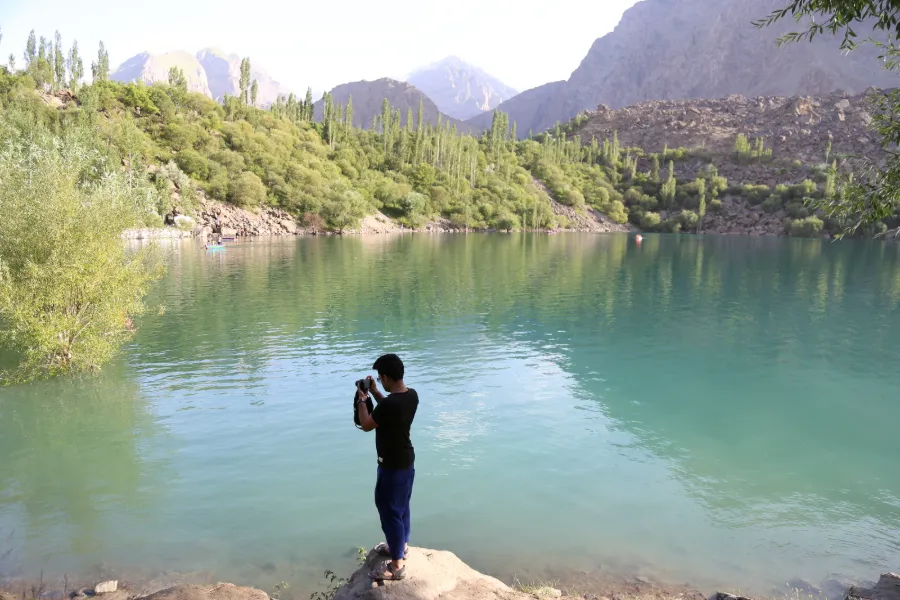
Pakistan runs from the Arabian Sea to the greatest mountain junction on earth. The Karakoram, the Himalaya and the Hindu Kush meet in the north near Gilgit, and five of the world's fourteen peaks above 8,000 metres stand here, K2 at 8,611 metres among them. South of the mountains lie the Punjab plains, the Indus, the Cholistan desert and the old cities of Lahore and Multan. It is home to more than 240 million people and a great many languages.
Money
- Pakistan is largely a cash economy once you leave the big cities. Carry enough rupees for the mountain section of your trip.
- ATMs exist in Islamabad, Lahore, Gilgit, Skardu and Hunza, but they do not always accept foreign cards and they do run empty.
- Change money in Islamabad or Lahore, where rates and availability are better than in the north.
- Cards are accepted at larger hotels in the cities and very rarely elsewhere.
Cash in the valleys
From our destination guides. Select a place to read the full story.
- Fairy Meadows & Nanga Parbat Base Camp
- Carry cash. There are no ATMs above the highway.
- Neelum Valley Travel Guide
- Carry cash. ATMs are few beyond Athmuqam.
Staying connected
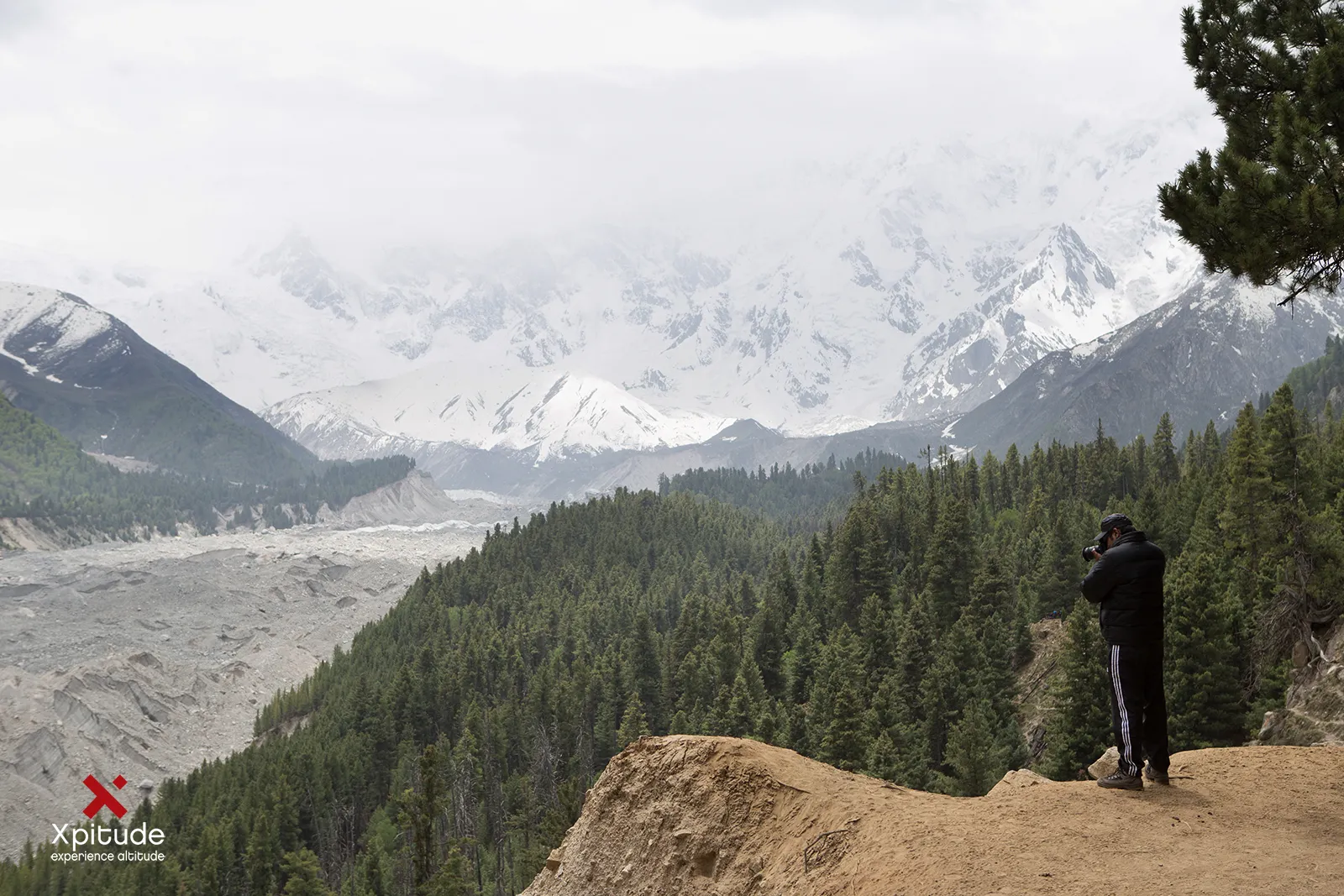
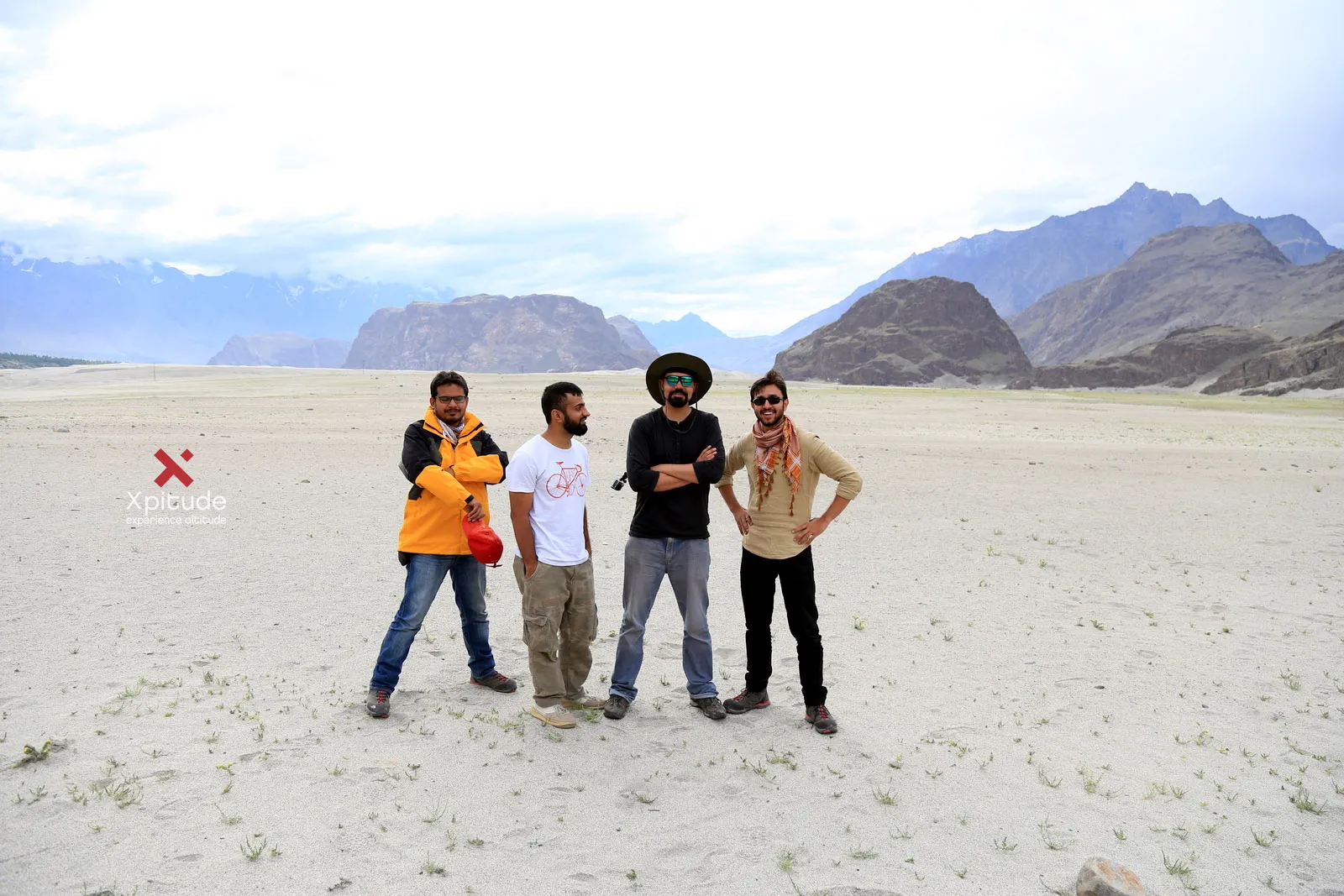
Coverage is good in the cities and along the main roads, and patchy to absent on trek. In Gilgit-Baltistan the regional network, SCOM, reaches furthest. Visitors can buy a local SIM with their passport at an operator's own franchise. Expect no signal beyond the last village on most trekking routes, and plan for that with the people at home.
Signal, place by place
- Fairy Meadows & Nanga Parbat Base Camp
- Mobile coverage is weak to non existent. Tell family before you go.
- Skardu Travel Guide
- Mobile coverage is patchy beyond Skardu town.
- Ganga Choti Trek from Sudhan Gali
- Mobile signals are patchy near the top.
Culture and dress
- Pakistan is a conservative, Muslim majority country and a famously hospitable one. You will be offered tea often. Accepting it is the right answer.
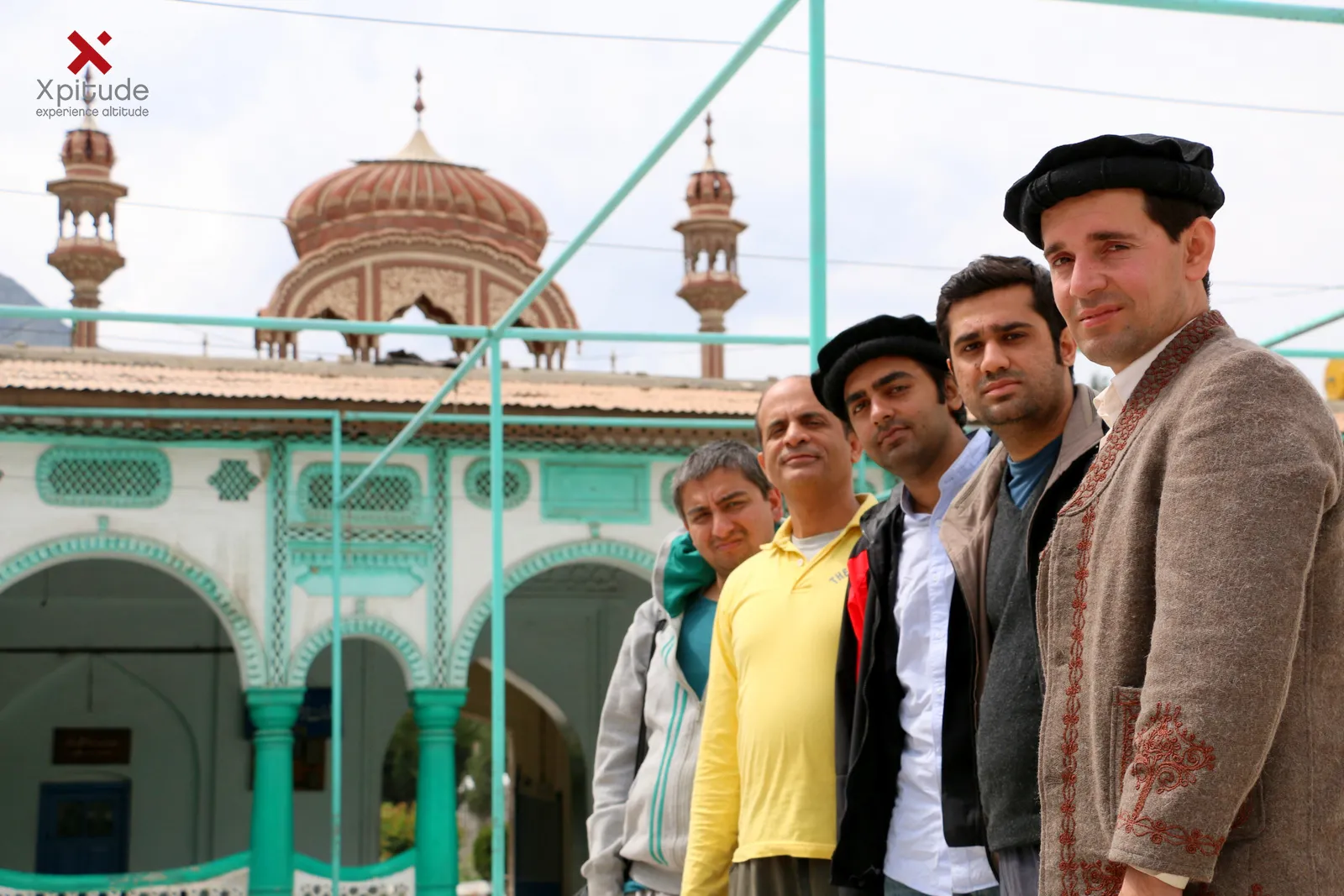
- Dress modestly. Loose clothing that covers shoulders and knees suits both men and women, and women will want a scarf to hand for mosques and shrines.
- Remove your shoes before entering a mosque, a shrine or a home.
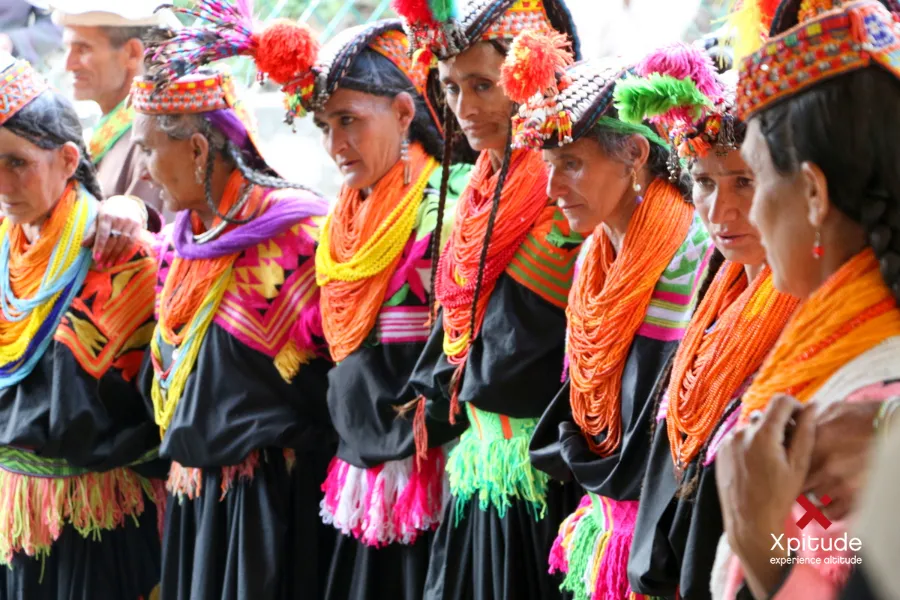
- Ask before you photograph people, women especially. Do not photograph military sites, checkpoints or bridges.
- Alcohol is not generally on sale. During Ramadan, avoid eating and drinking in public in daylight hours.
In the villages
- Chilam Joshi Festival
- Always ask permission before photographing people or rituals.
- Swat & Kalam Travel Guide
- Dress modestly, especially in villages.
Food and water
Drink bottled or treated water throughout, including for brushing teeth. Food in the north is simple and good: fresh bread, dal, rice, apricots and walnuts in season. Tell us about allergies and dietary needs before you travel so the kitchen can plan for them.
Next steps
Read the Pakistan Visa Guide and Best Time to Visit Pakistan before you settle on dates.
General guidance for planning. Rules, schedules and conditions change, so confirm the details that matter with official sources and with your XPITUDE planner before you book.