In this story
There is something suspiciously relaxing about Shogran. Maybe it is the pine smell. Maybe it is the fog drifting through the valley like it has nowhere else to be.
Or maybe it is the fact that nobody expects you to reply to emails at 2,360 m.
The Climb to Cloud Level
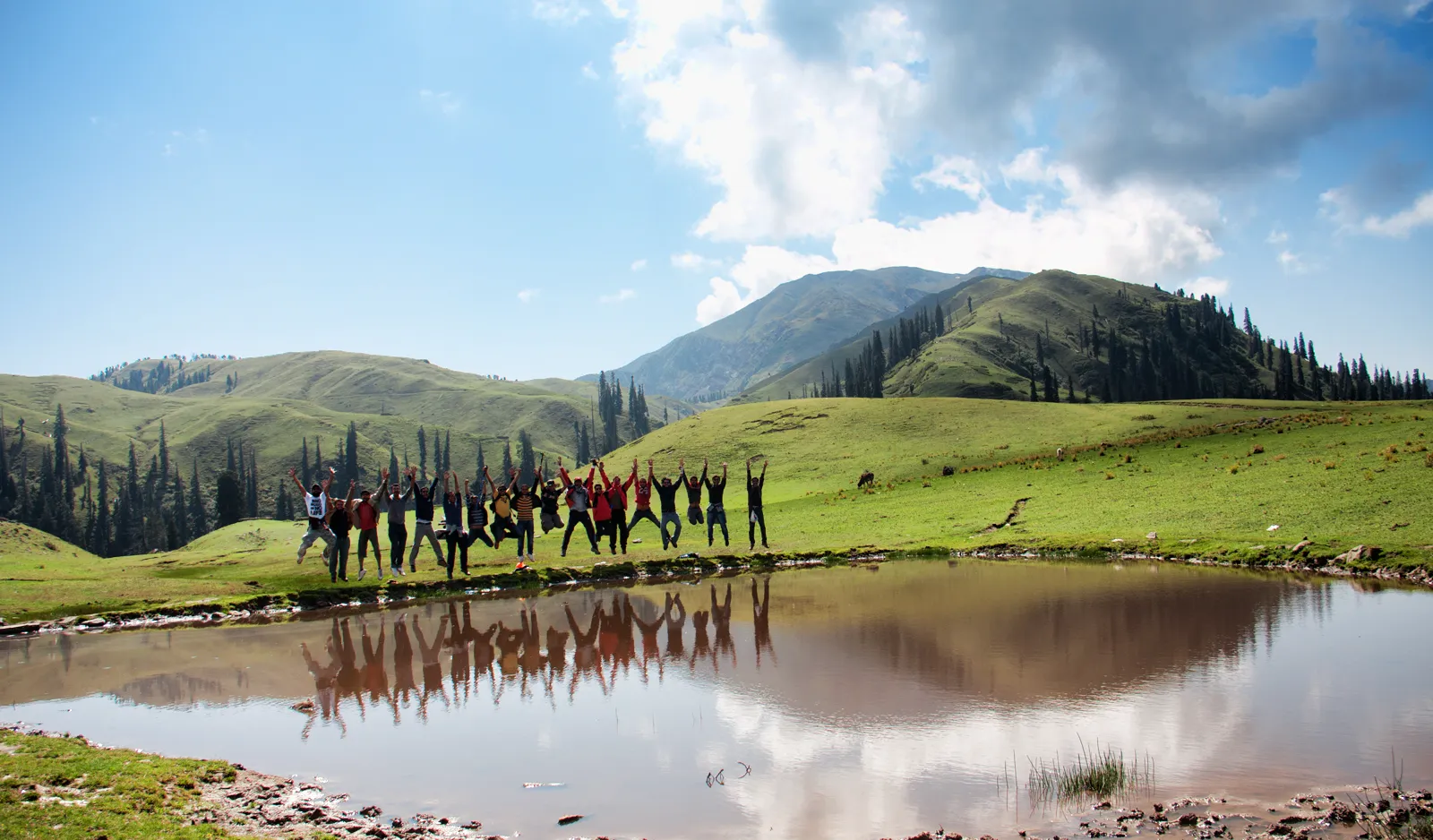
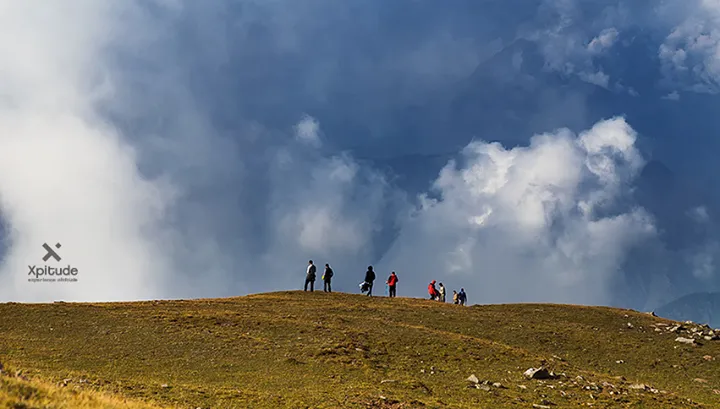
From Kiwai in Kaghan Valley, a steep road climbs to Shogran, a forested shelf above the Kunhar River. From there, local jeeps grind up to Siri Lake and on to Paye, rolling meadows where horses graze and clouds sometimes drift below you rather than above.
On a clear morning, Malika Parbat, the queen of Kaghan's peaks, appears across the valley. On a misty one, the whole meadow becomes a watercolor.
Why Is It Called Spider Peak?
Makra means spider, and the mountain's ridges are said to spread like legs from its summit. It stands at 3,885 m on the border of Kaghan Valley and Azad Kashmir, which means its summit offers views across two regions at once.
From Paye, the summit is roughly a four hour trek. The grassy slopes look friendly. They become steep, exposed and slippery very quickly, and weather can change in minutes. This is a real mountain, not a picnic extension.
Hospitality on the Hillside
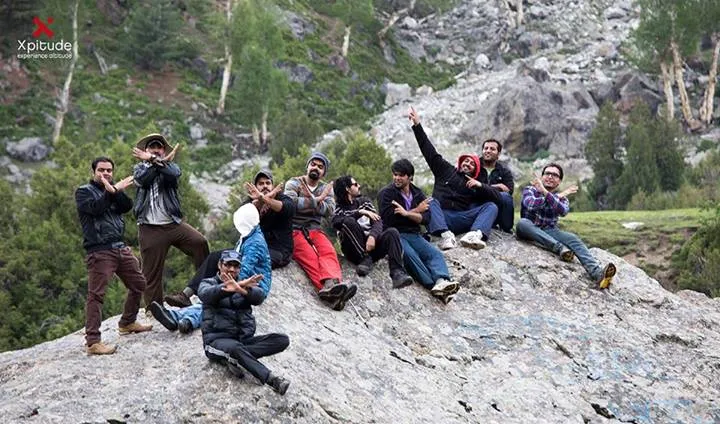
Shepherd families from the lower valleys bring their herds up to these meadows in summer, a seasonal migration that has gone on for generations. Tea stalls at Paye are run by local families who often know the mountain's moods better than any forecast.
Sitting with a cup of chai while the fog lifts off the meadow is one of those small, uncomplicated moments that stay with you. Gratitude comes easily up here.
Plan Your Trip
- How to get there: Drive Islamabad to Balakot and Kiwai (about 5 to 6 hours), then up to Shogran. Local jeeps to Siri and Paye
- Duration: 2 to 4 days. Add a day for Makra Peak
- Best season: May to September for meadows. June to September for Makra
- Difficulty: Easy sightseeing. Makra summit is challenging
- Altitude: Shogran about 2,360 m. Makra Peak 3,885 m
- Stay: Hotels and guesthouses in Shogran