
In this story
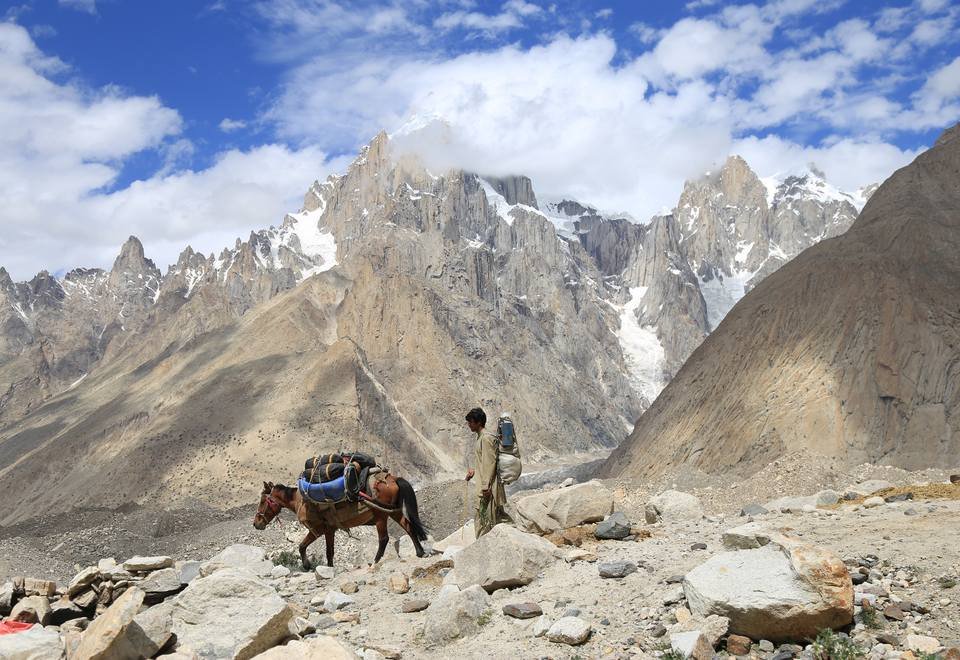
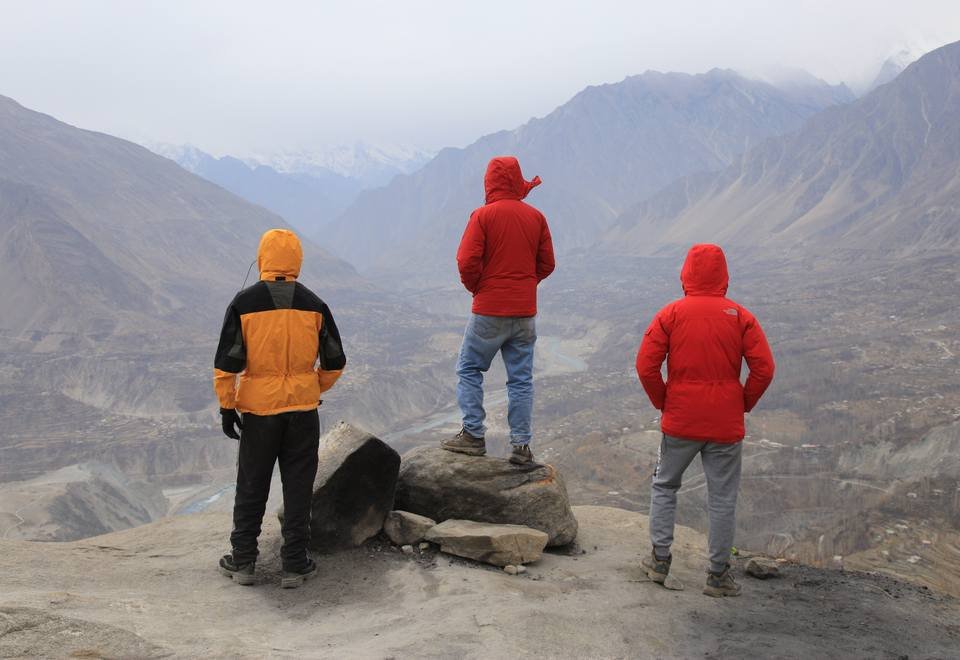
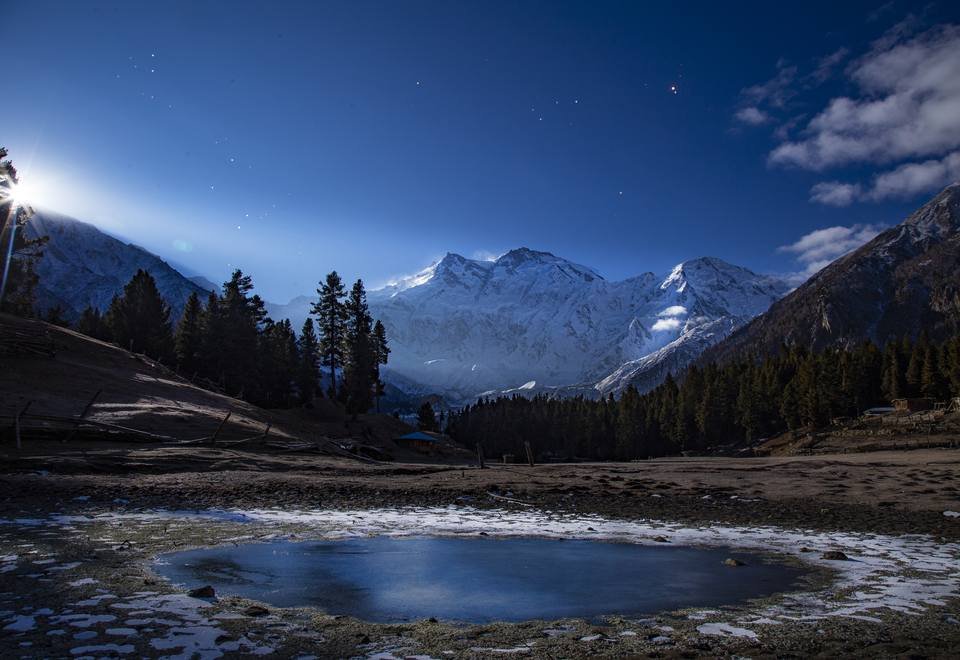
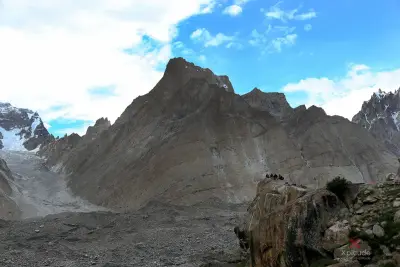
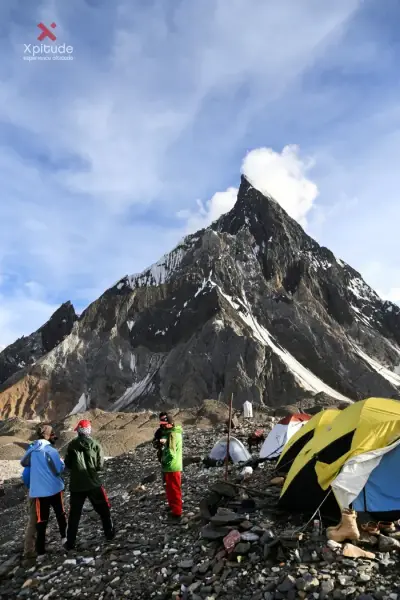
We ran Haramosh three weeks later than usual. Notes on what changed and why the late window may be better. Haramosh is for travelers who like their adventures wild and their trails quiet: no crowds, no tea stalls, no signal, just glacier fed streams, Wakhi and Shina villages and a lake that looks photoshopped in real life.
The route, day by day
The Haramosh Base Camp and Kutwal Lake trek takes eight days from Islamabad and back:
- Day 1. Drive Islamabad to Chilas.
- Day 2. Continue to Sassi on the Karakoram Highway, jeep to Dassu and trek to Iskere village.
- Day 3. Trek through forest and farmland to Kutwal village and Kutwal Lake. Camp by the water.
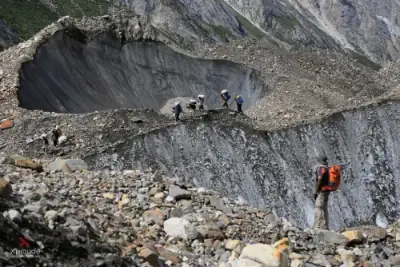
- Day 4. Day hike toward Haramosh Base Camp and the Mani Glacier viewpoints, conditions permitting.
- Day 5. Free day at Kutwal: lake walks, photography and Laila Peak views.
- Day 6. Trek out to Dassu and drive to Gilgit.
- Day 7. Drive to Naran via Babusar Top in season, or to Chilas.
- Day 8. Return to Islamabad.
Choosing the window
The season for Haramosh runs from July to September, and a later departure sits at the end of that window. Across Hunza and Baltistan, autumn brings settled weather and sharp light, while the high treks are closing. A late Haramosh trip trades the first of summer for that clearer air.
What the late window asks of you
Trailhead access depends on jeep road conditions after rain, and communication is very limited beyond Iskere. Plan for both: tell the people at home when you will be out of signal, and keep the days after the trek flexible.
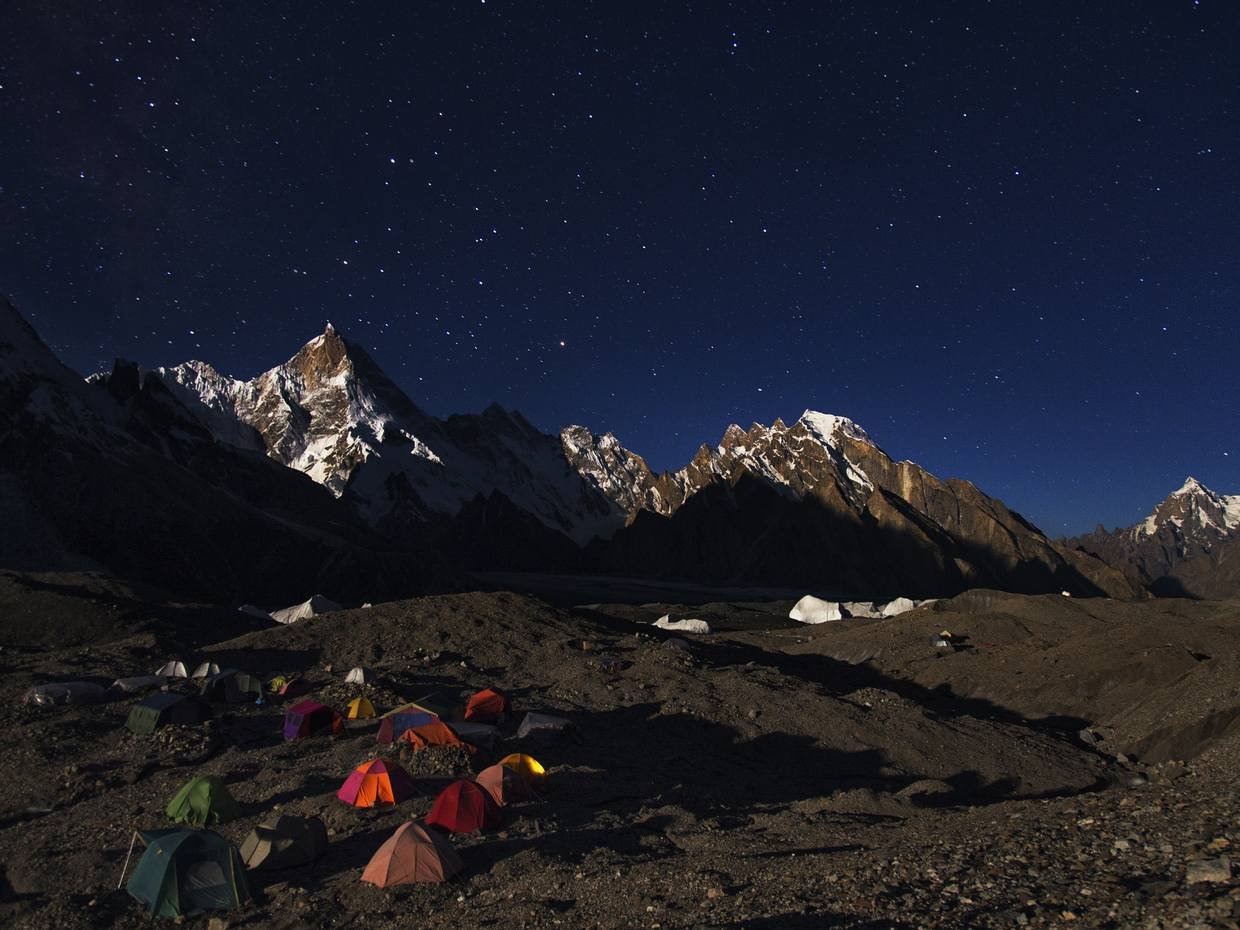
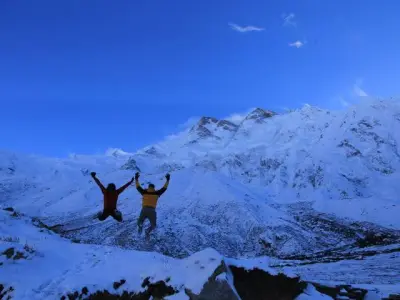
Pack for cold evenings by the lake. The maximum altitude is about 3,300 metres at Kutwal Lake, and the viewpoint hikes go higher. Layers, a warm jacket and a sleeping bag suited to the lowest night temperature on your route matter more than ever at the end of the season.