In this story
Some people spend their holidays by a pool. Others walk for nearly two weeks across a glacier to stand beneath a mountain that has no idea who they are.
If you are reading this, you may be the second kind of person. Welcome. Your knees have been warned.
A Mountain So Remote It Was Named Like a Spreadsheet
In 1856 a British surveyor, Thomas Montgomerie, stood more than 200 km away and labeled the peaks of the Karakoram in his notebook: K1, K2, K3. Most of them later got proper names. K2 kept its code, partly because almost nobody could see it from anywhere inhabited.
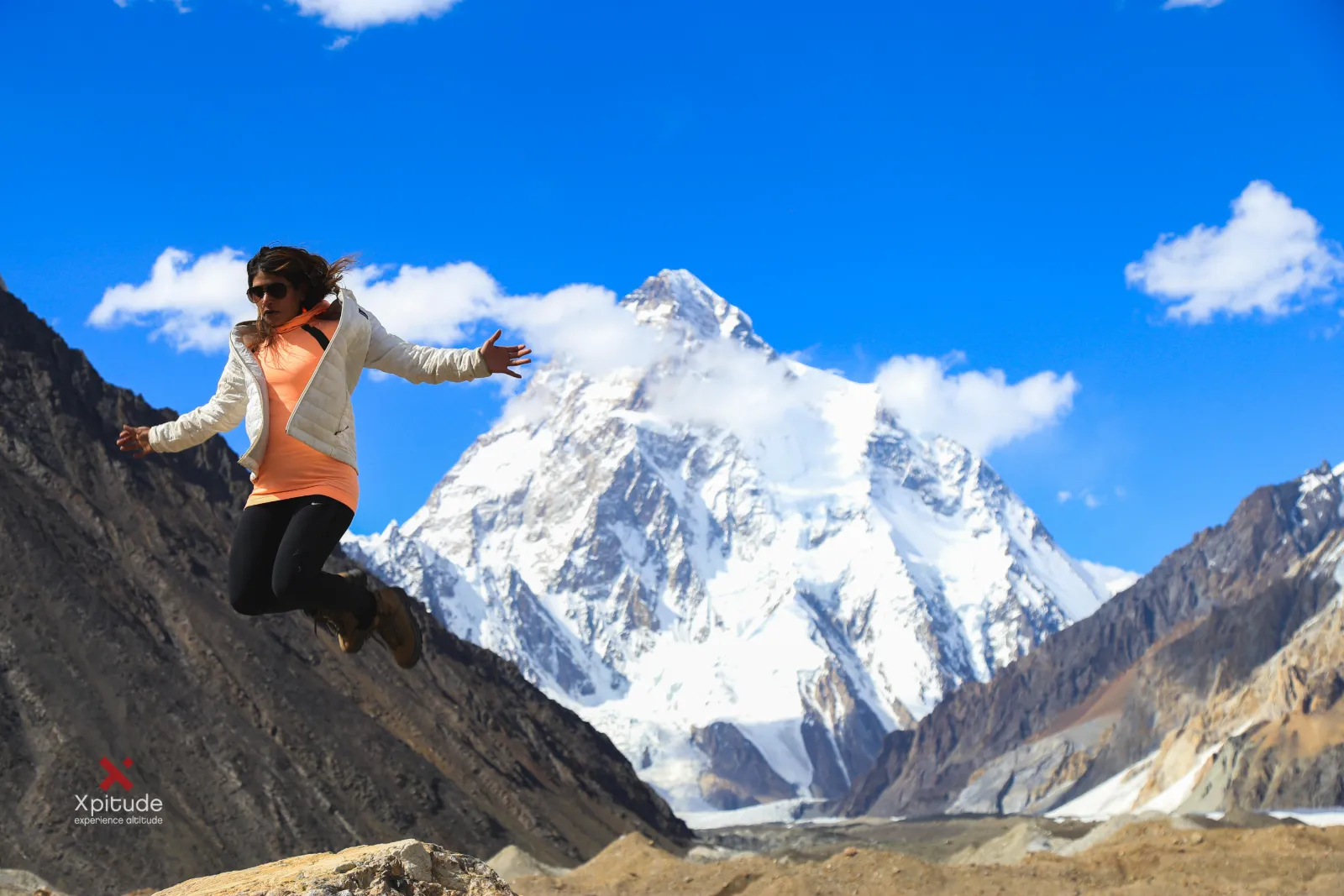
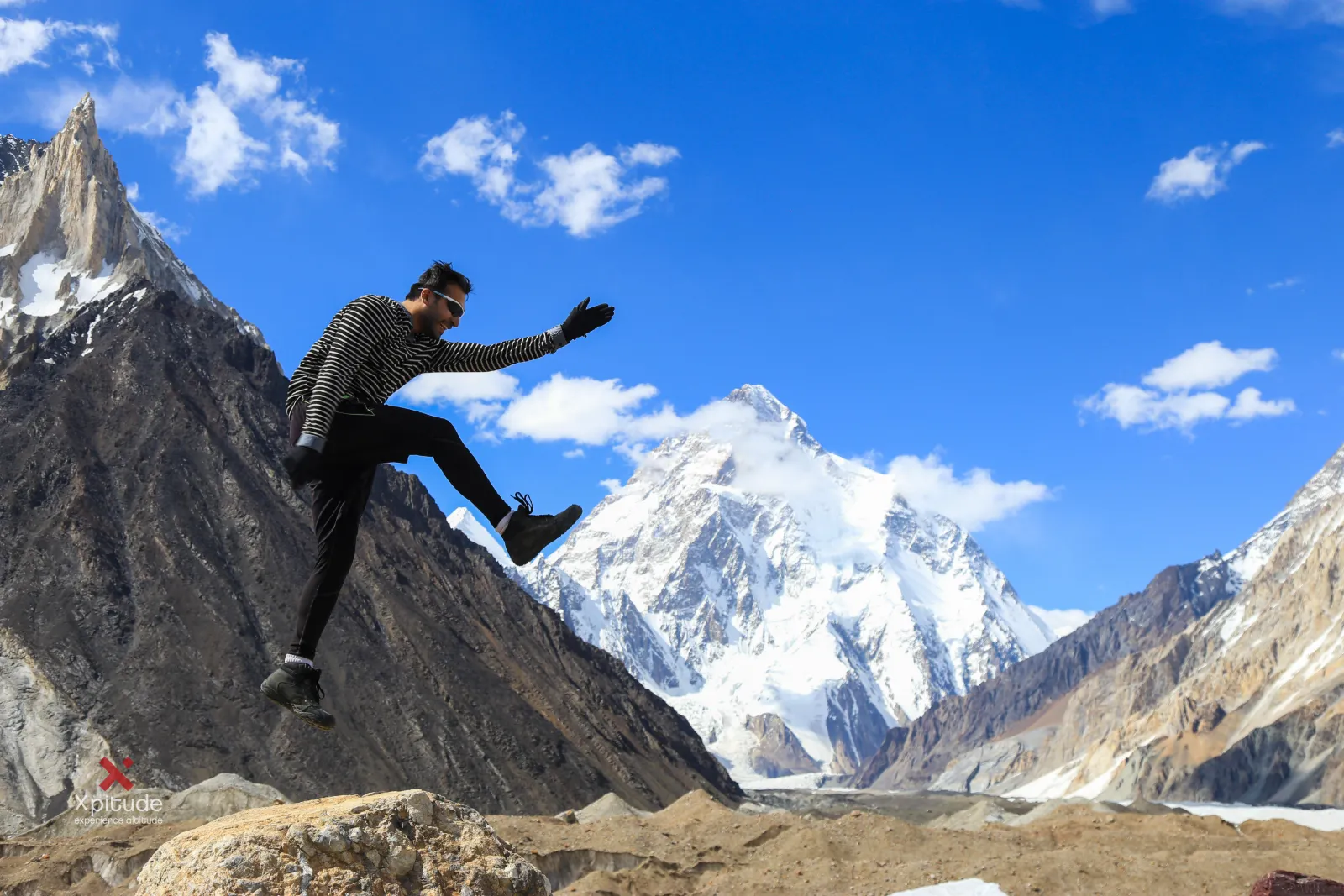
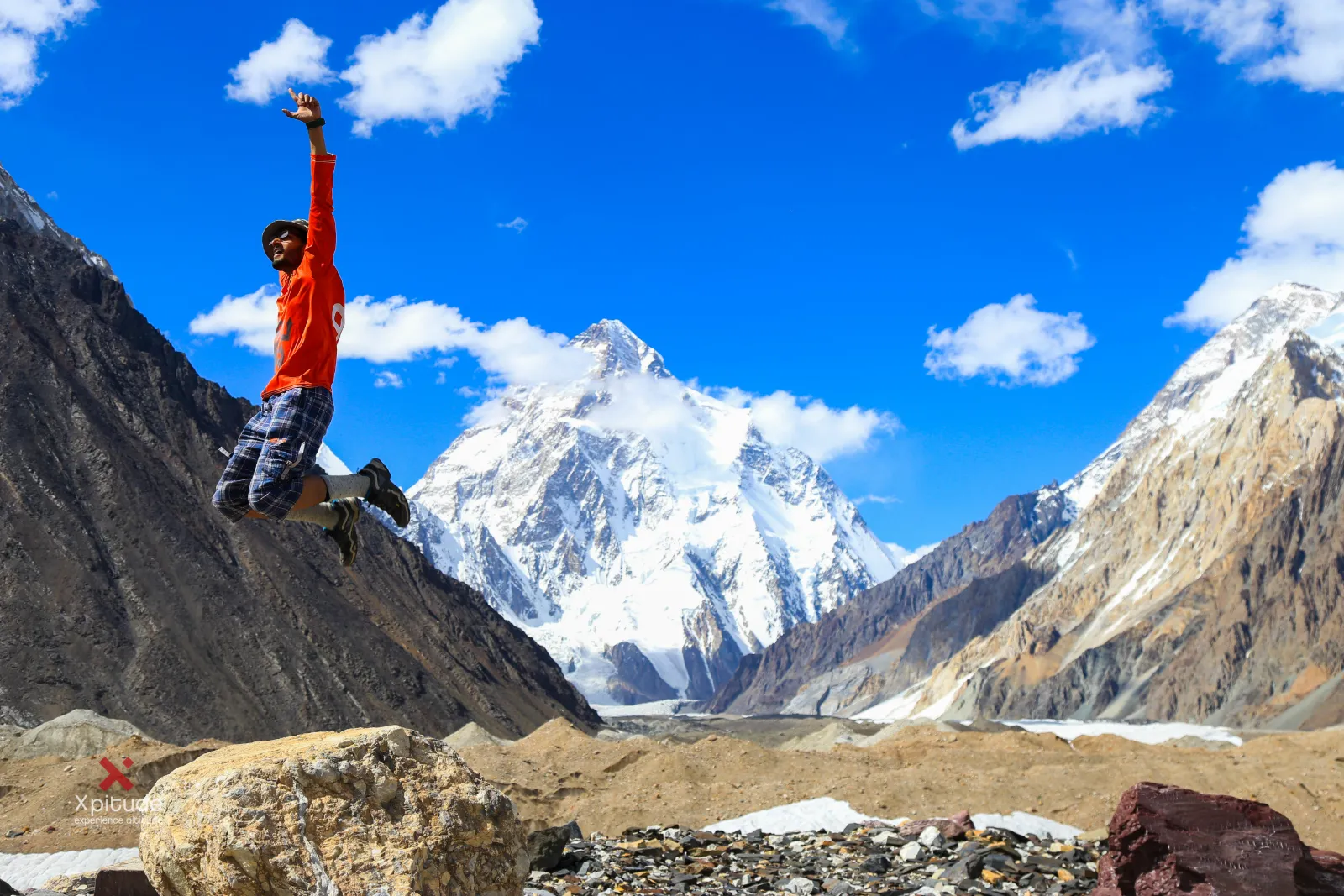
Locals in Baltistan call it Chhogori, roughly 'the big mountain', which is a fair understatement for 8,611 meters of rock and ice. Climbers call it the Savage Mountain. The first ascent came only in 1954, by an Italian team, and summiting it remains far rarer than standing on Everest.
The Baltoro: A Frozen Highway Through a Cathedral
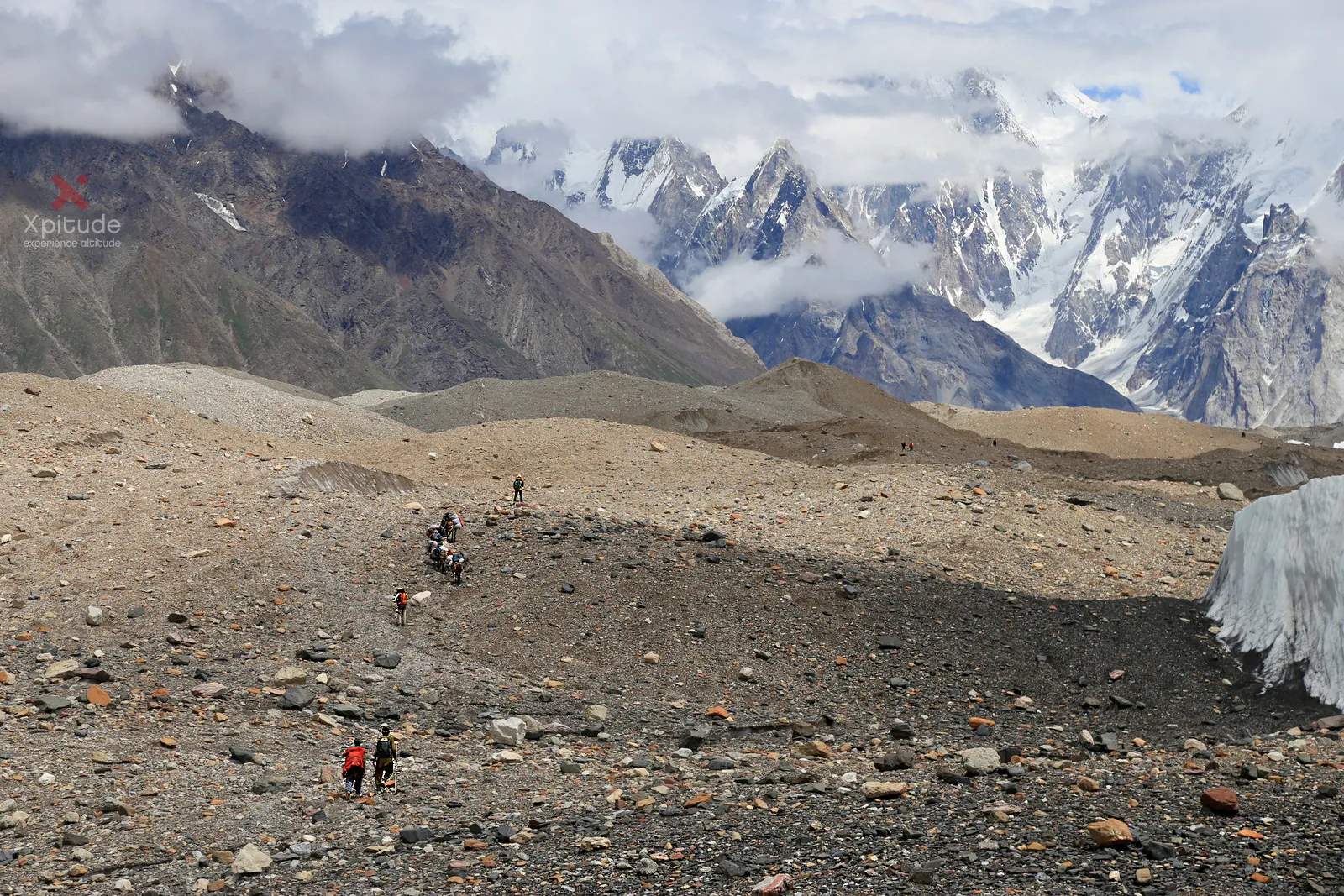
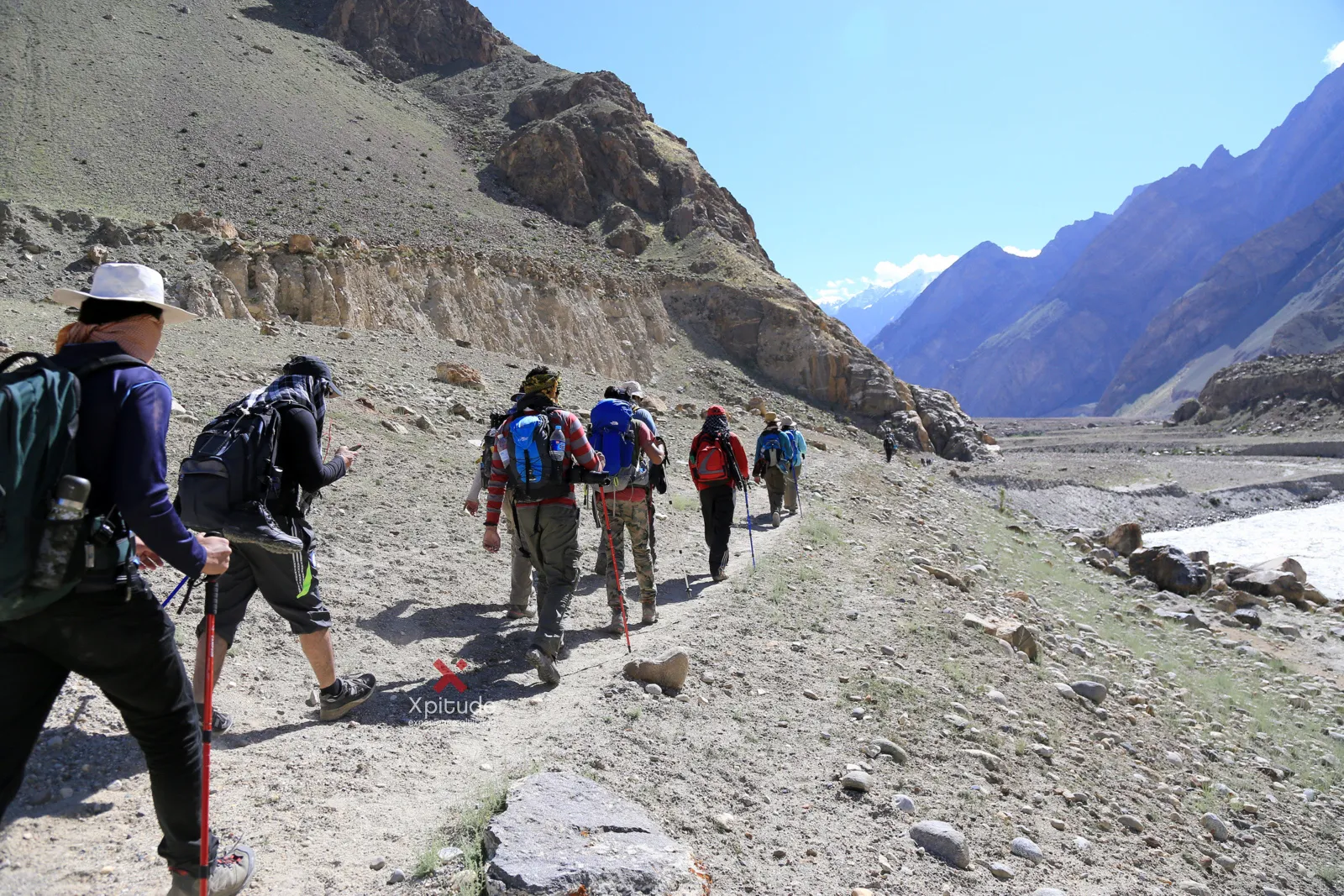
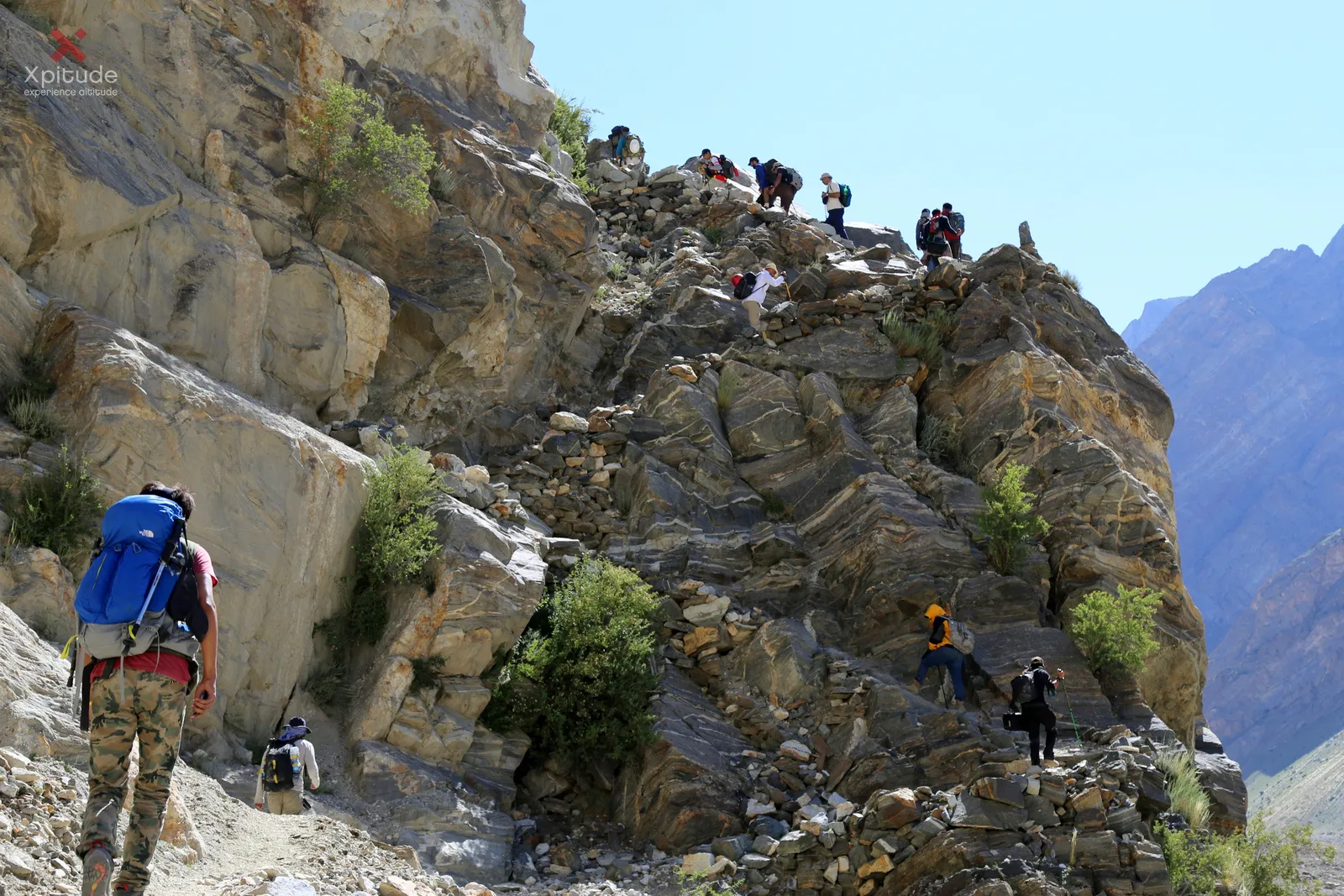
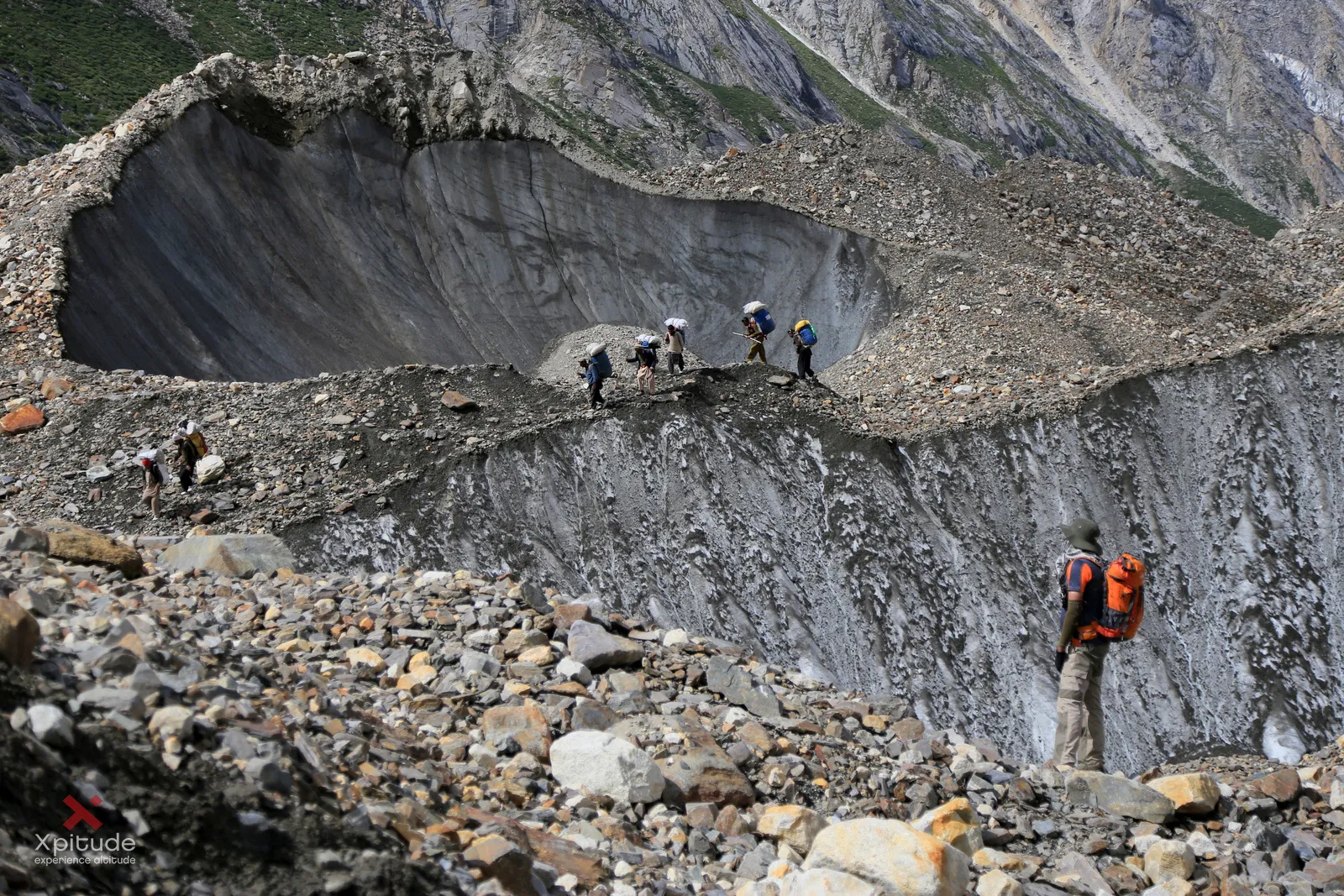
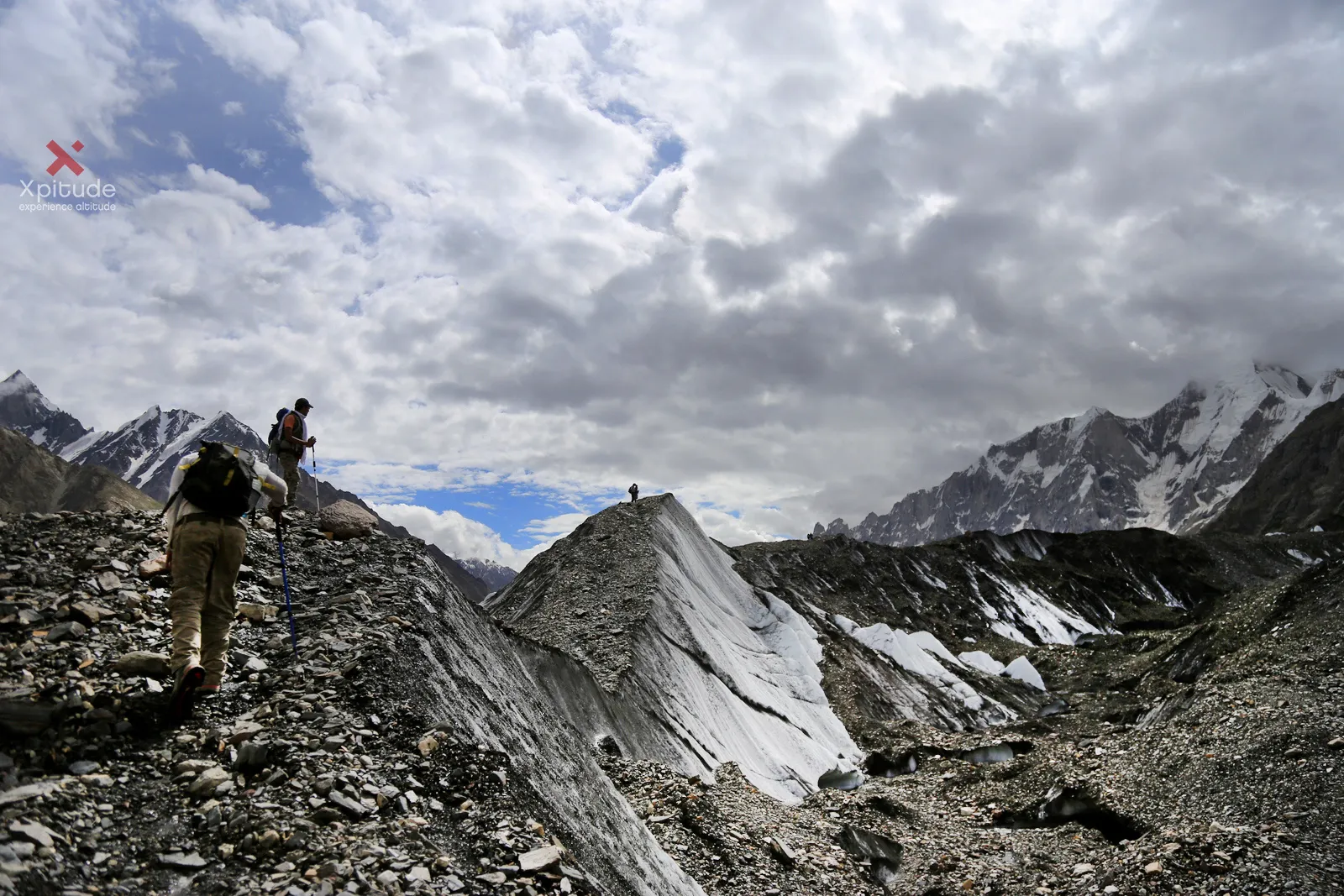
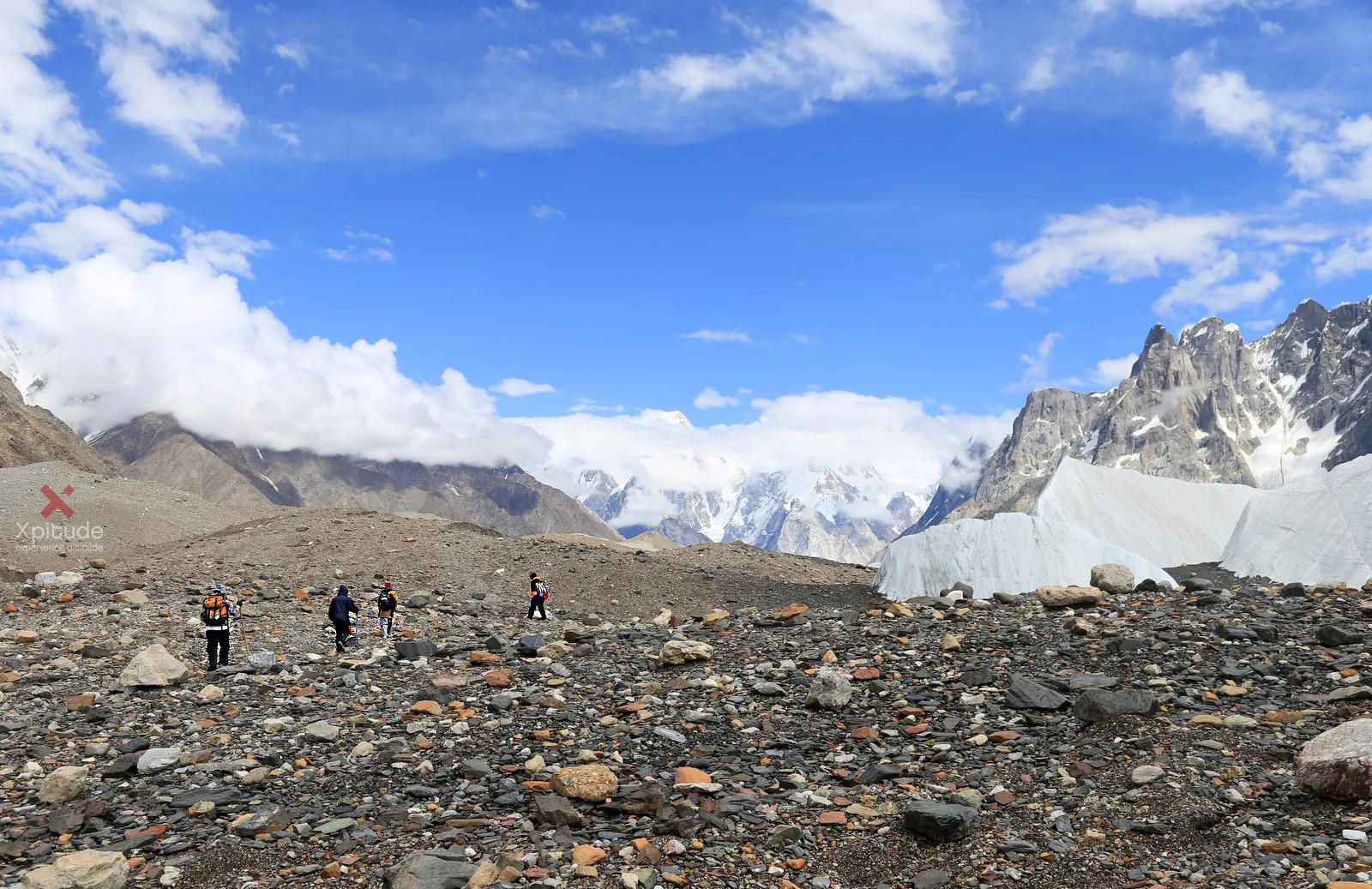
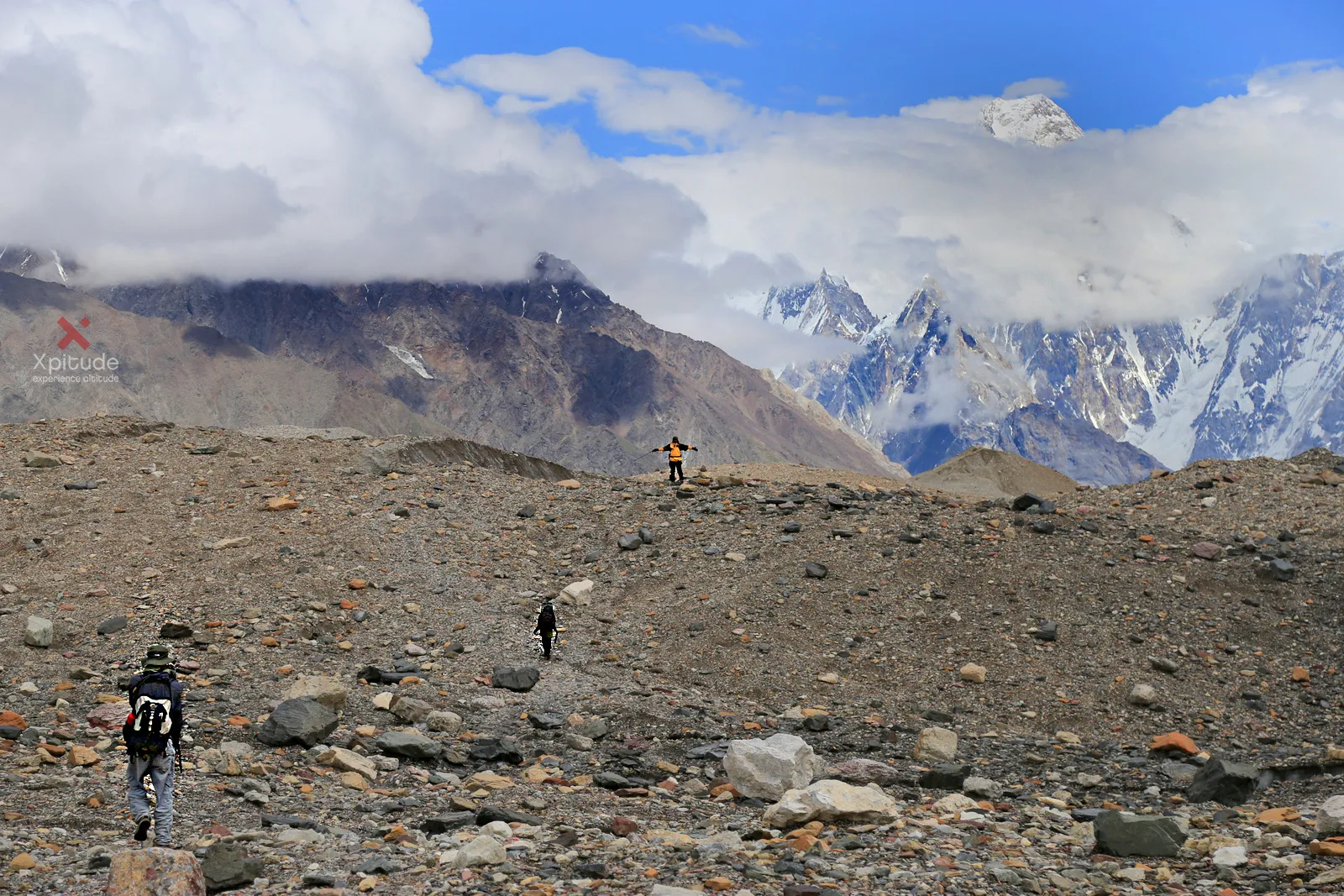
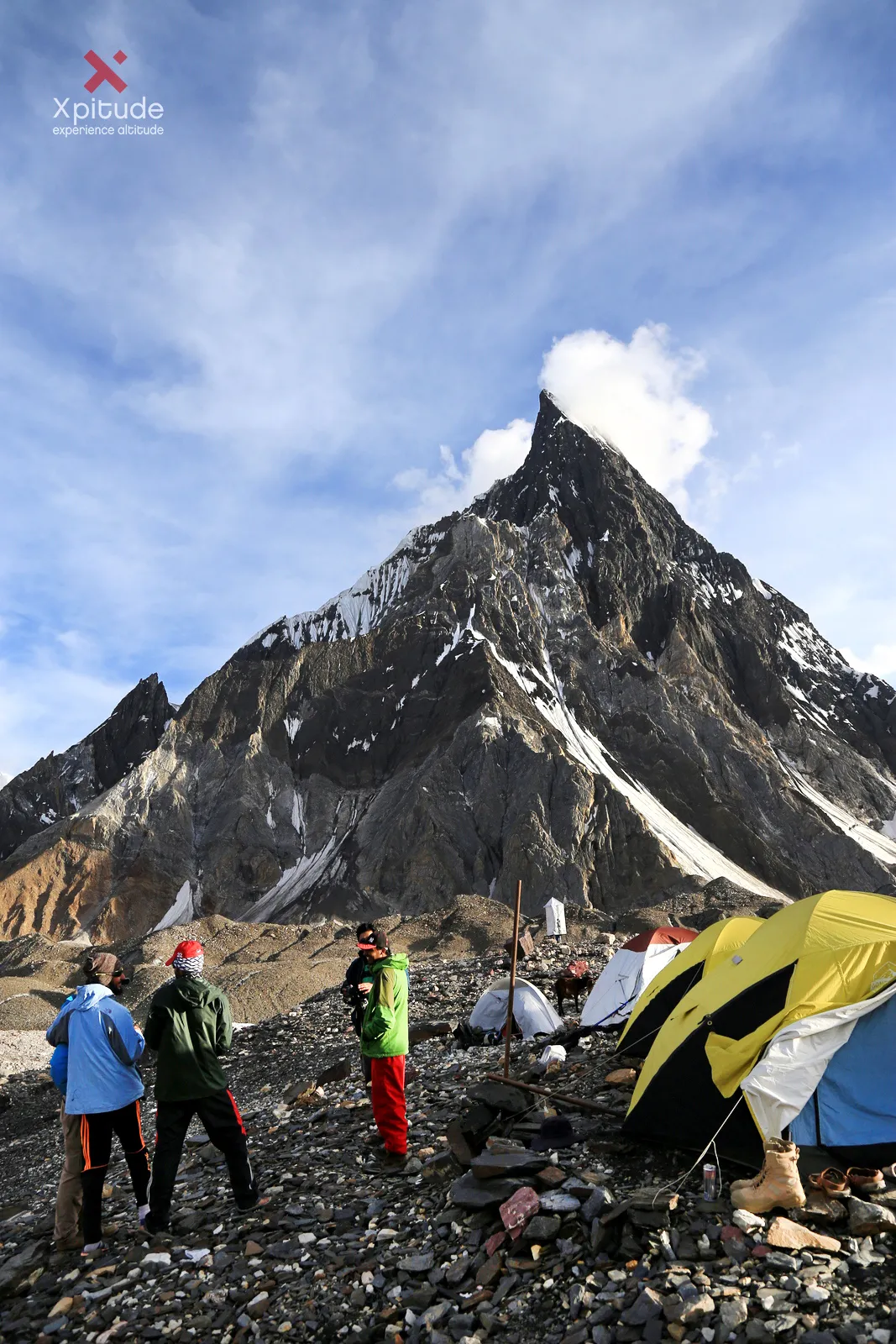
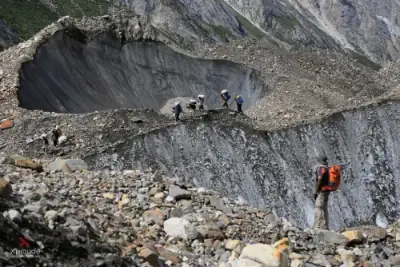
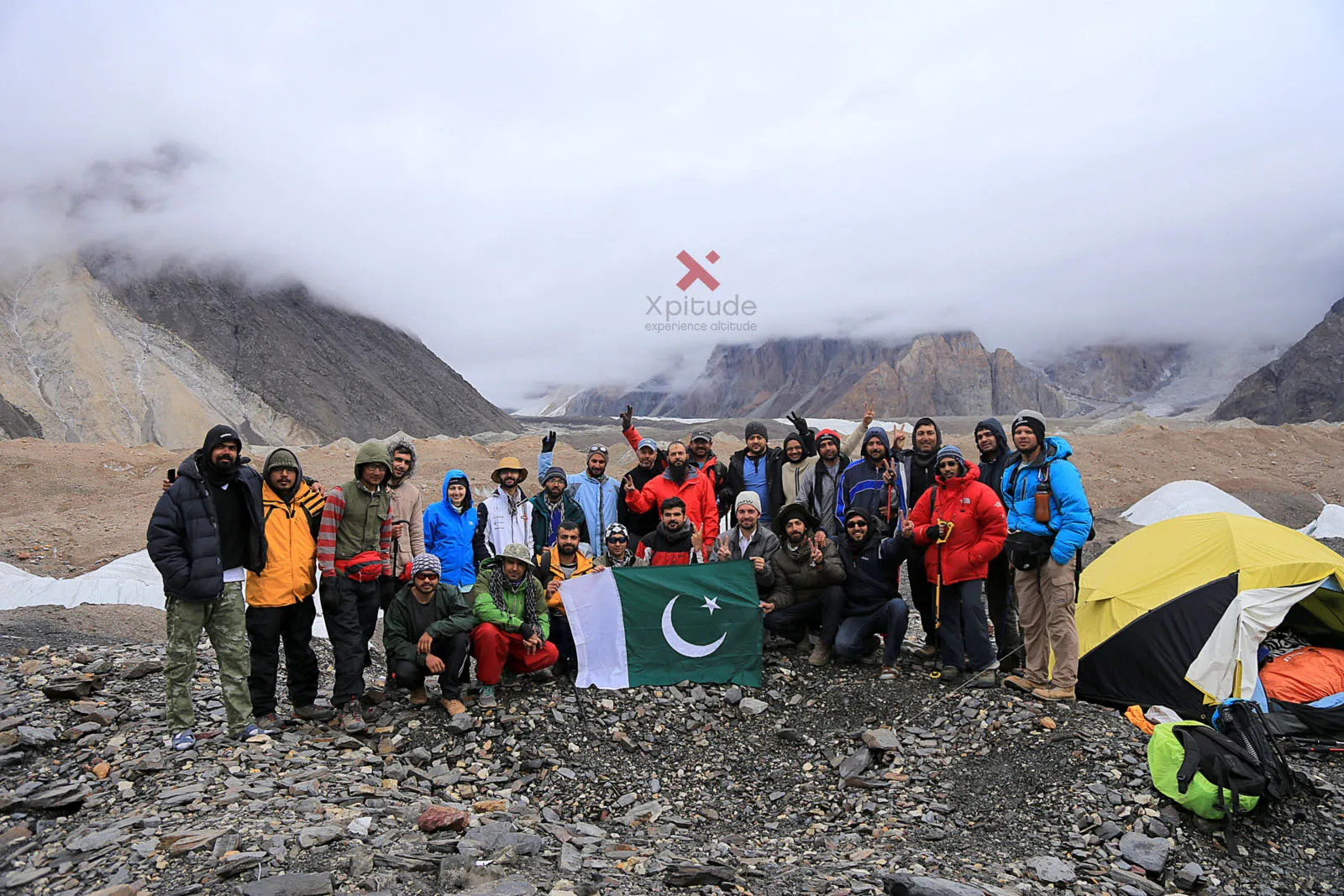
The trek begins with a jeep ride from Skardu to Askole, the last village, where the road simply gives up. From here it is all footsteps: Jhola, Paiju, then onto the Baltoro Glacier, a river of ice more than 60 km long, covered in rubble that crunches and groans beneath you.
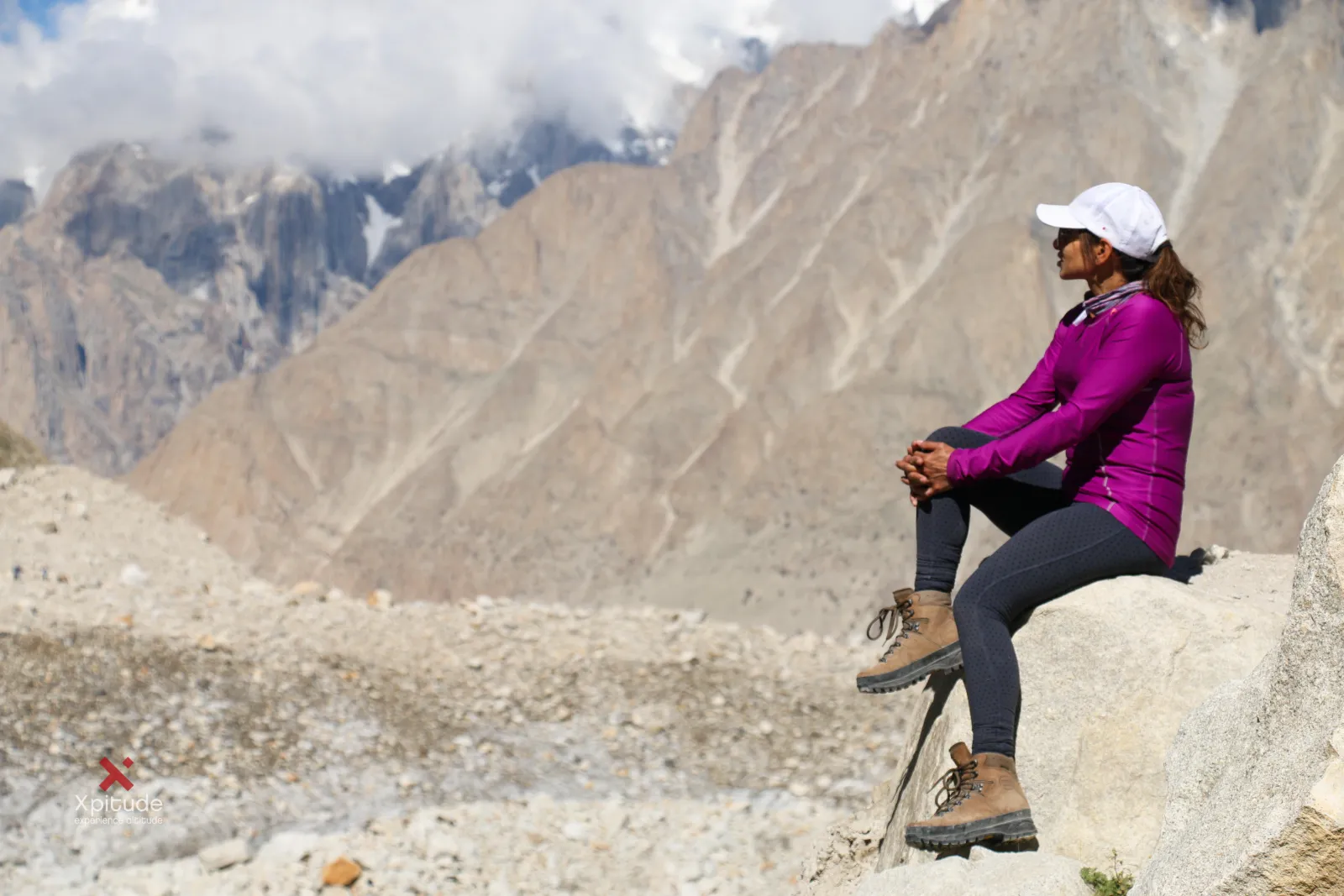
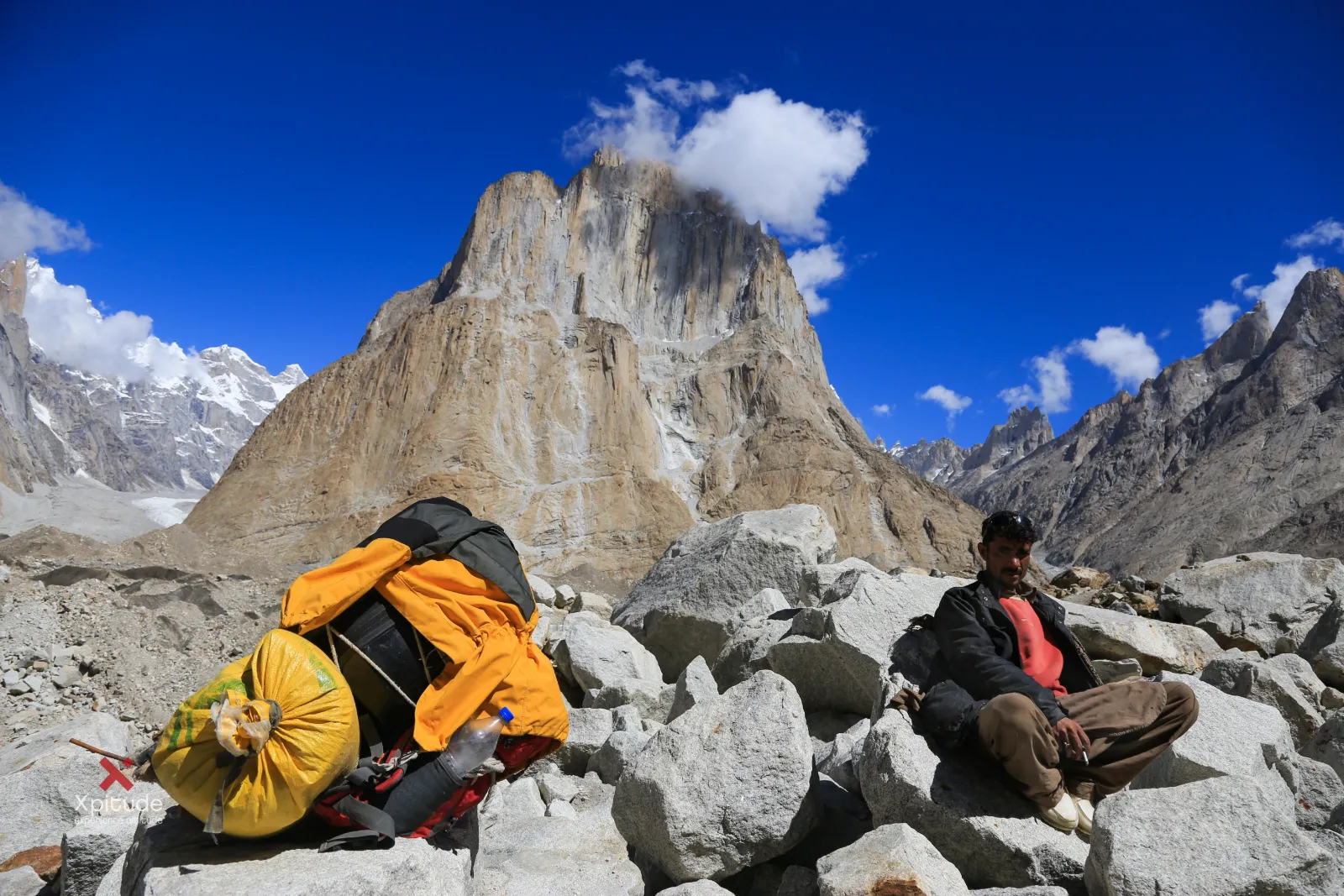
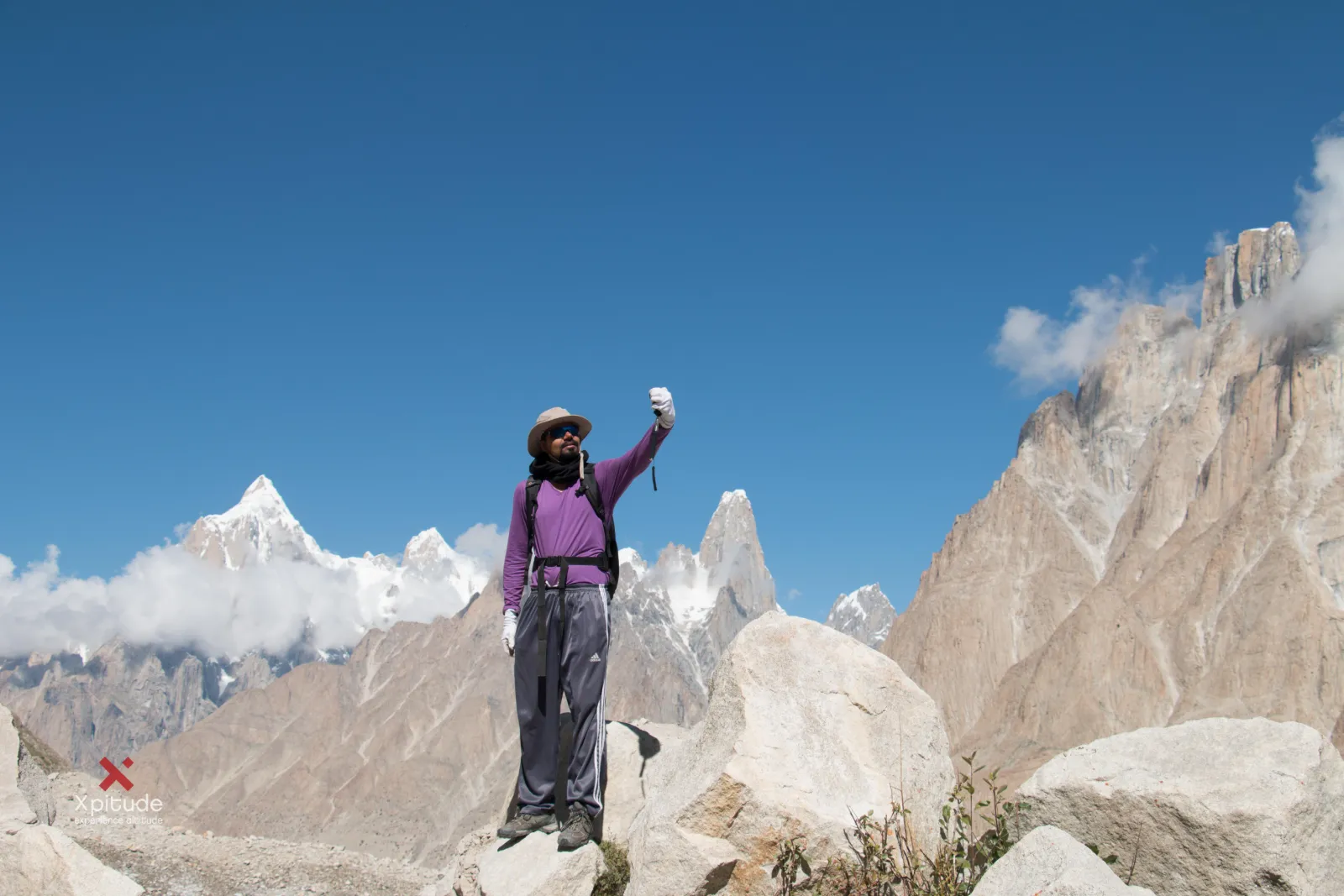
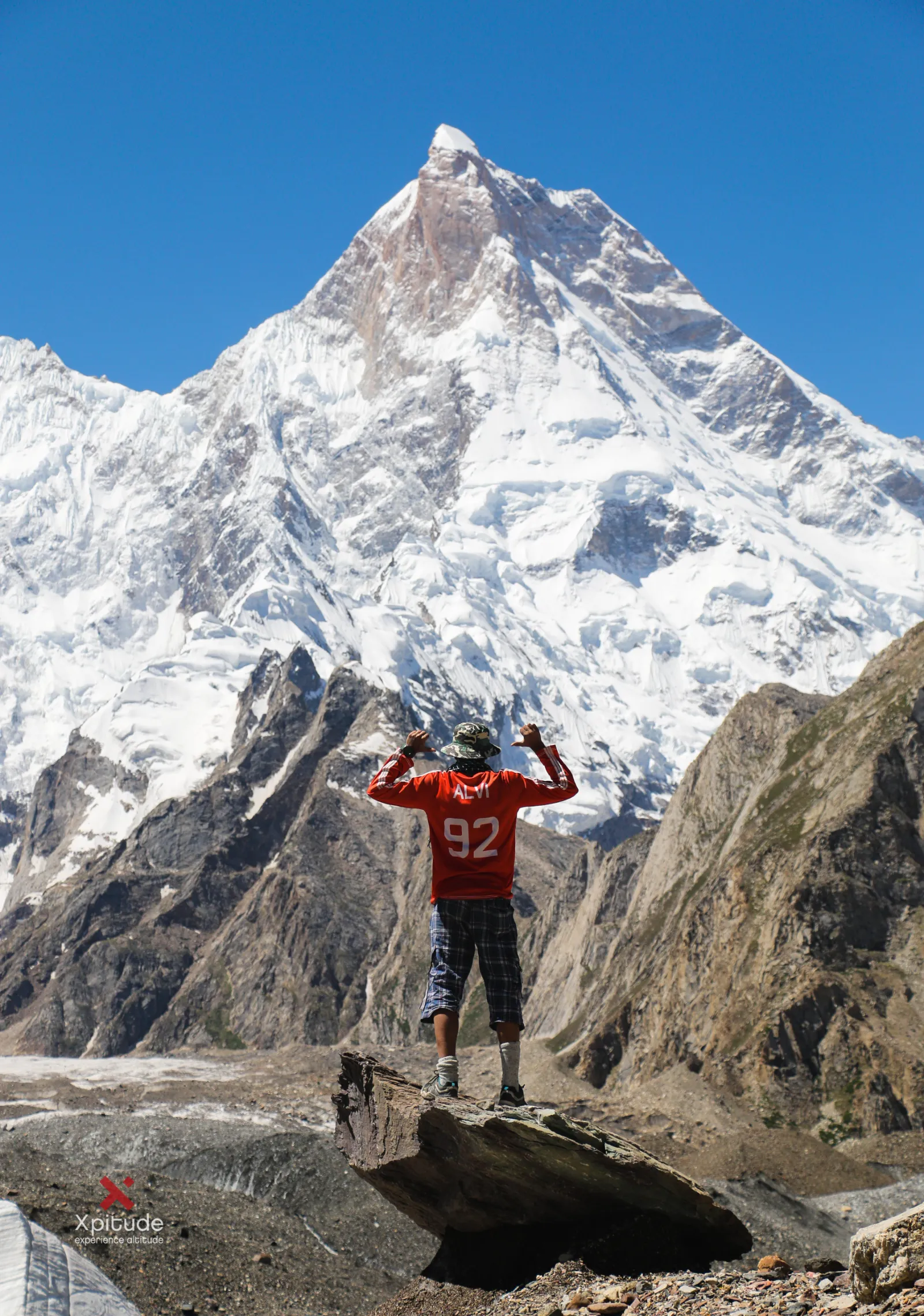
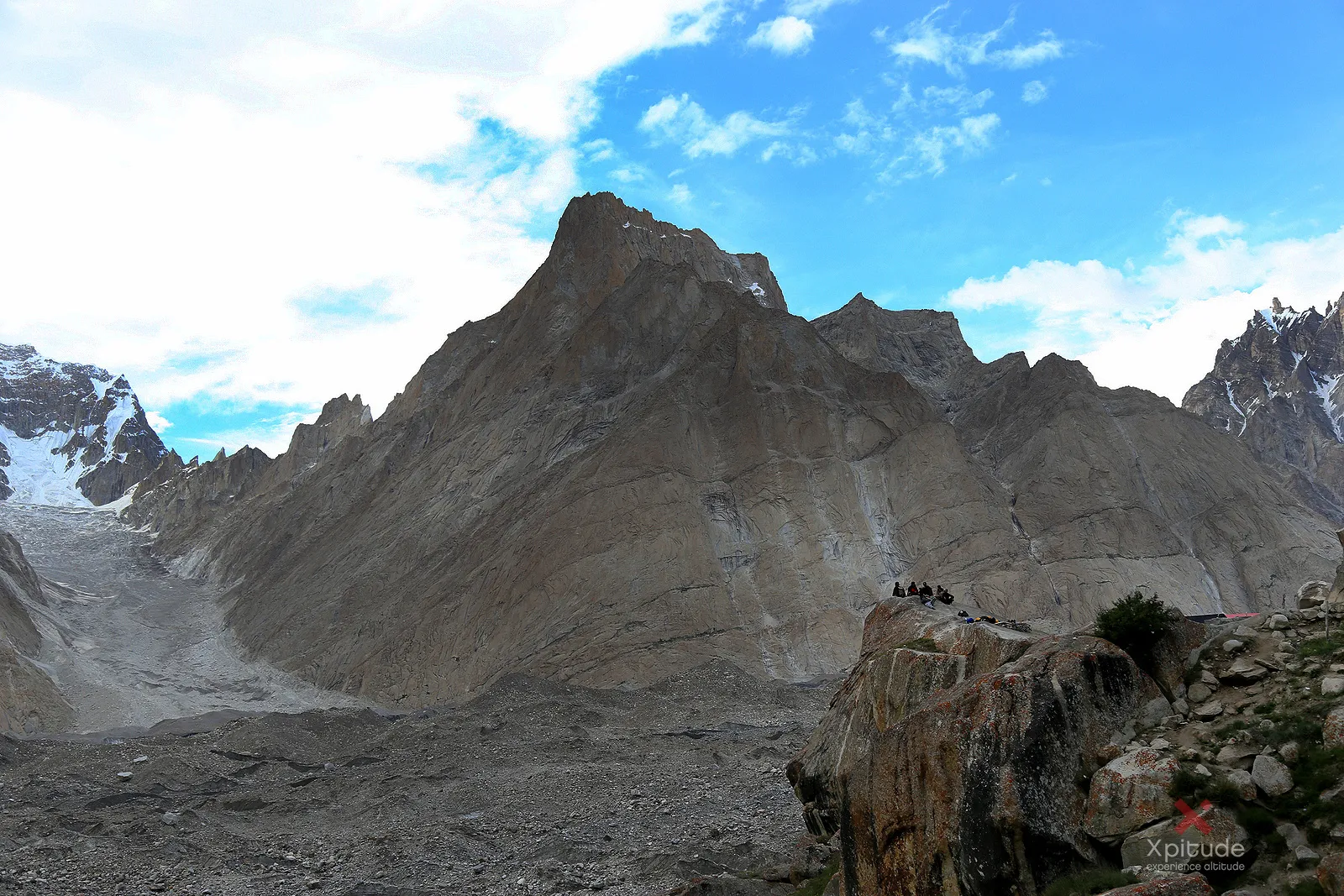
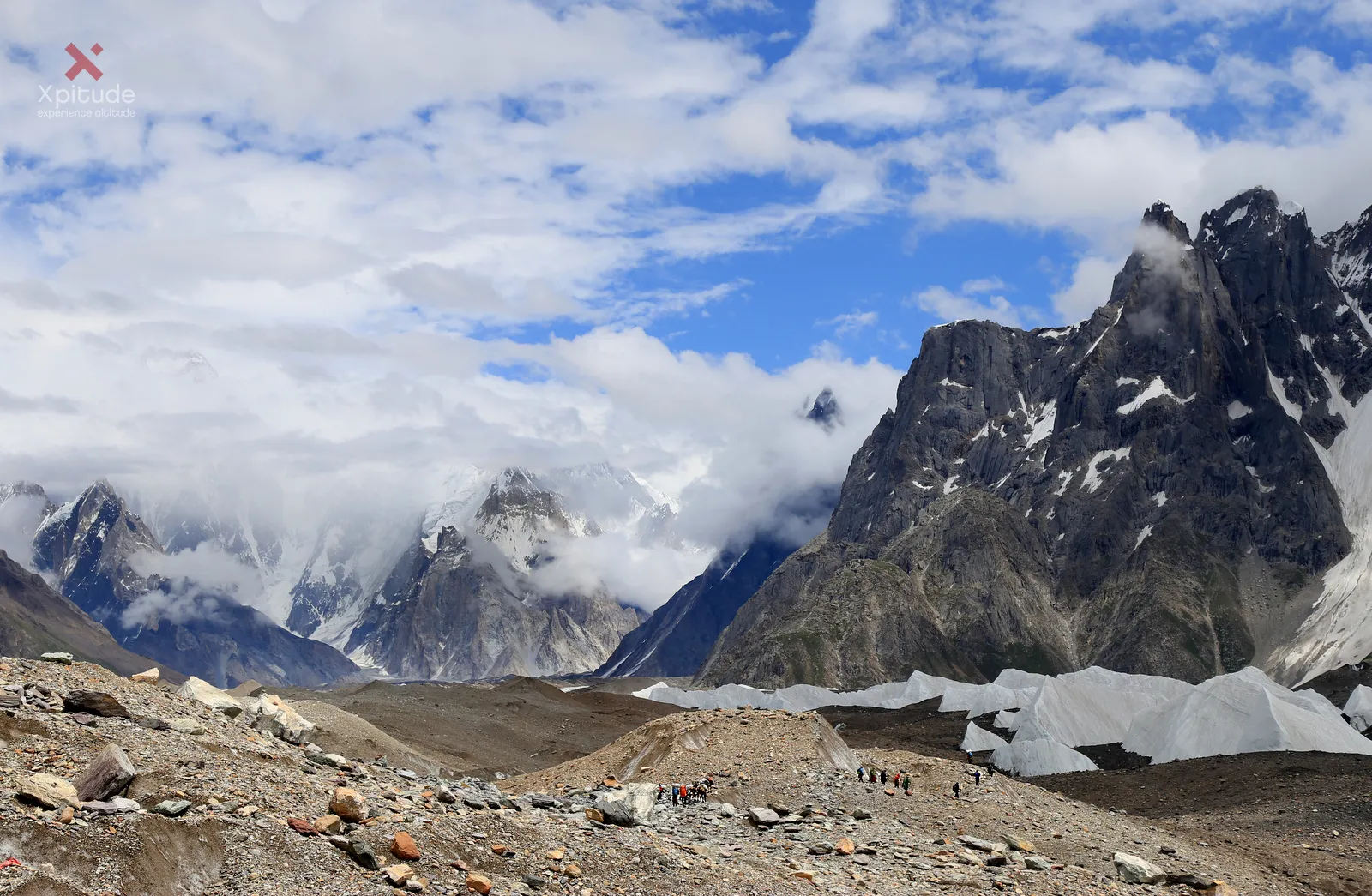
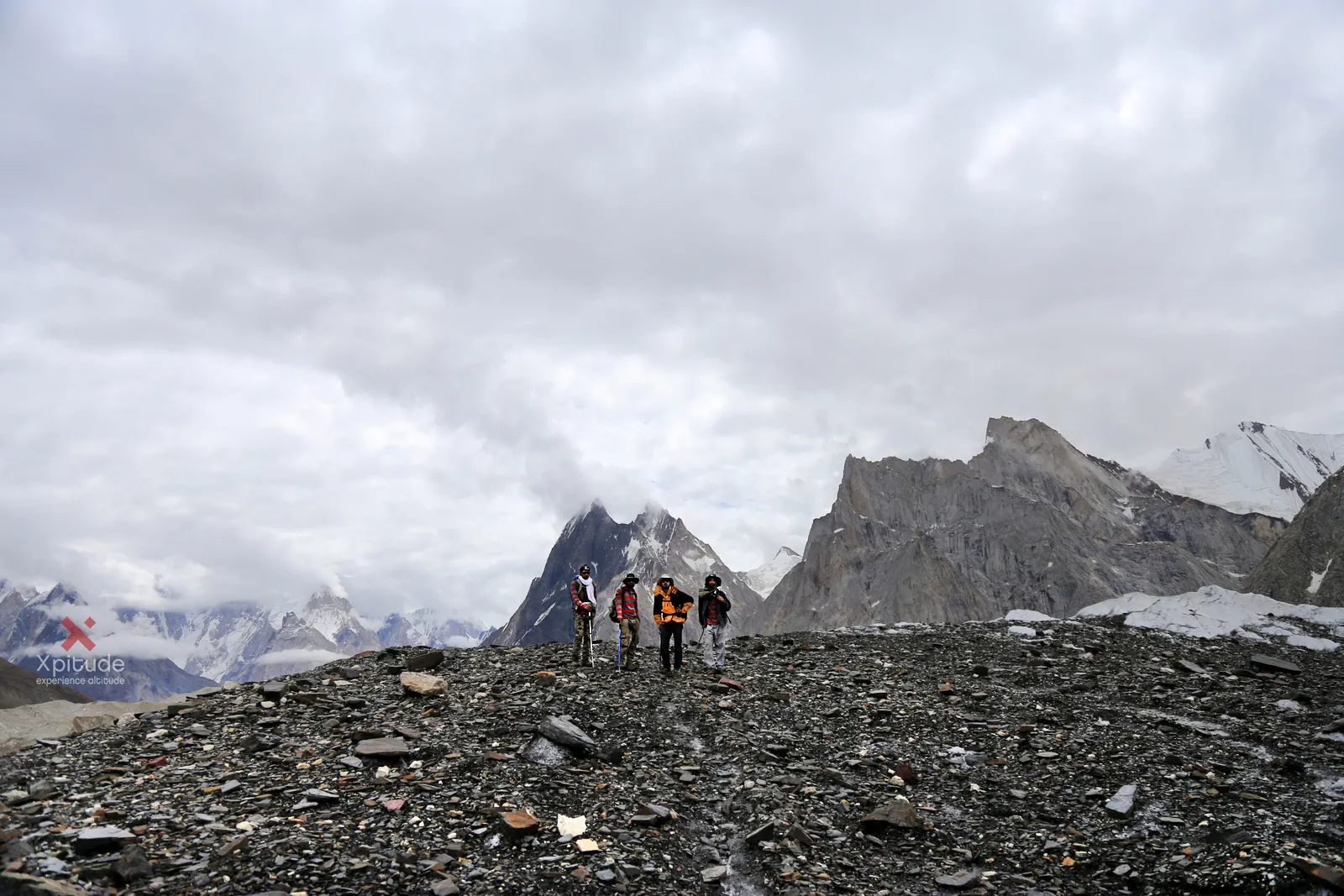
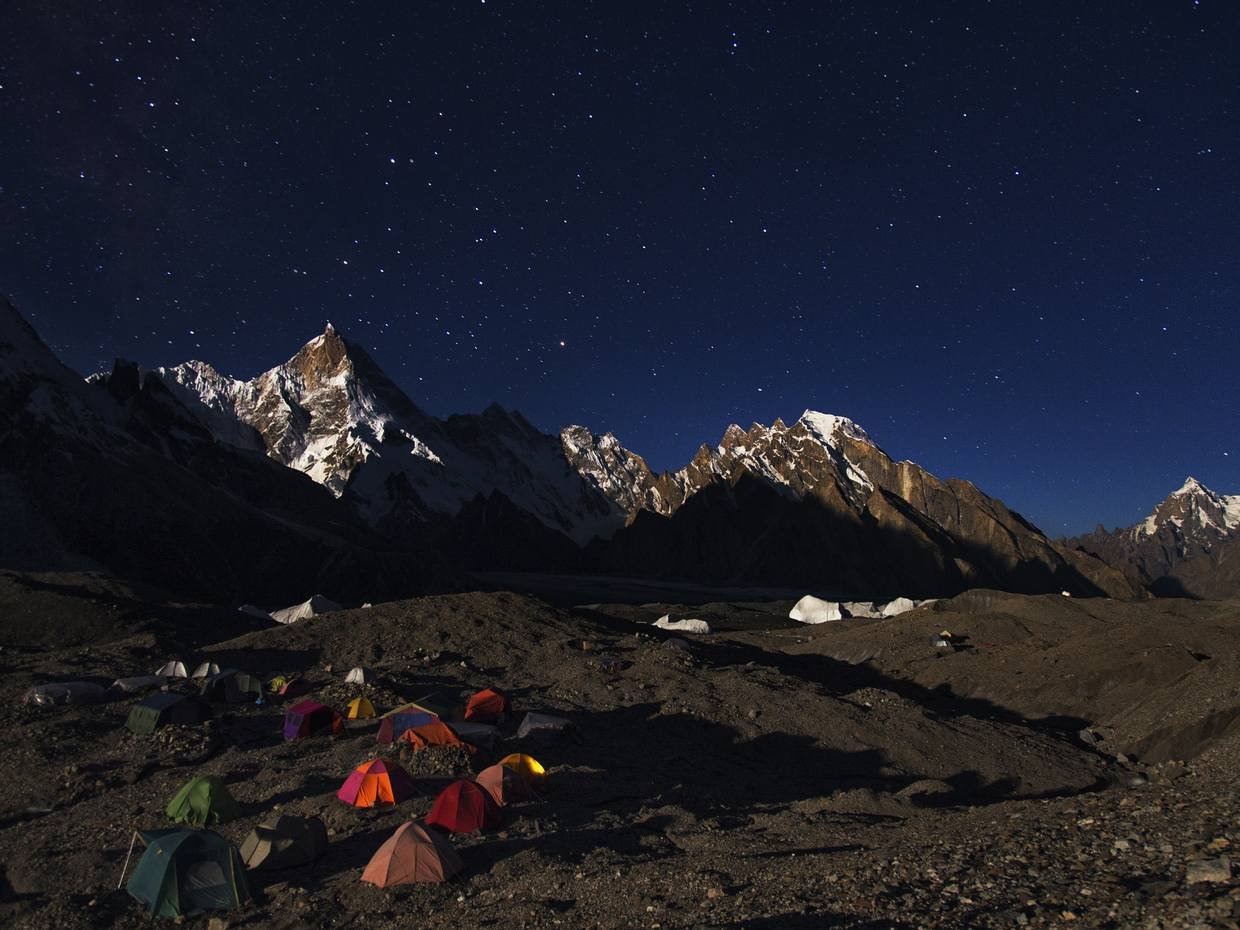
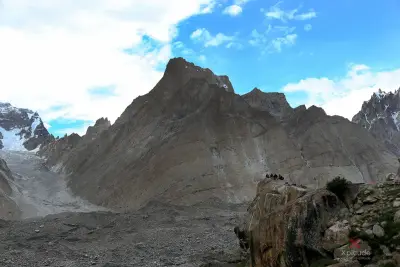
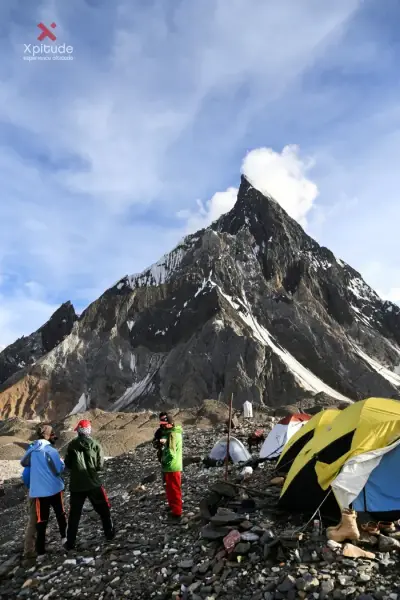
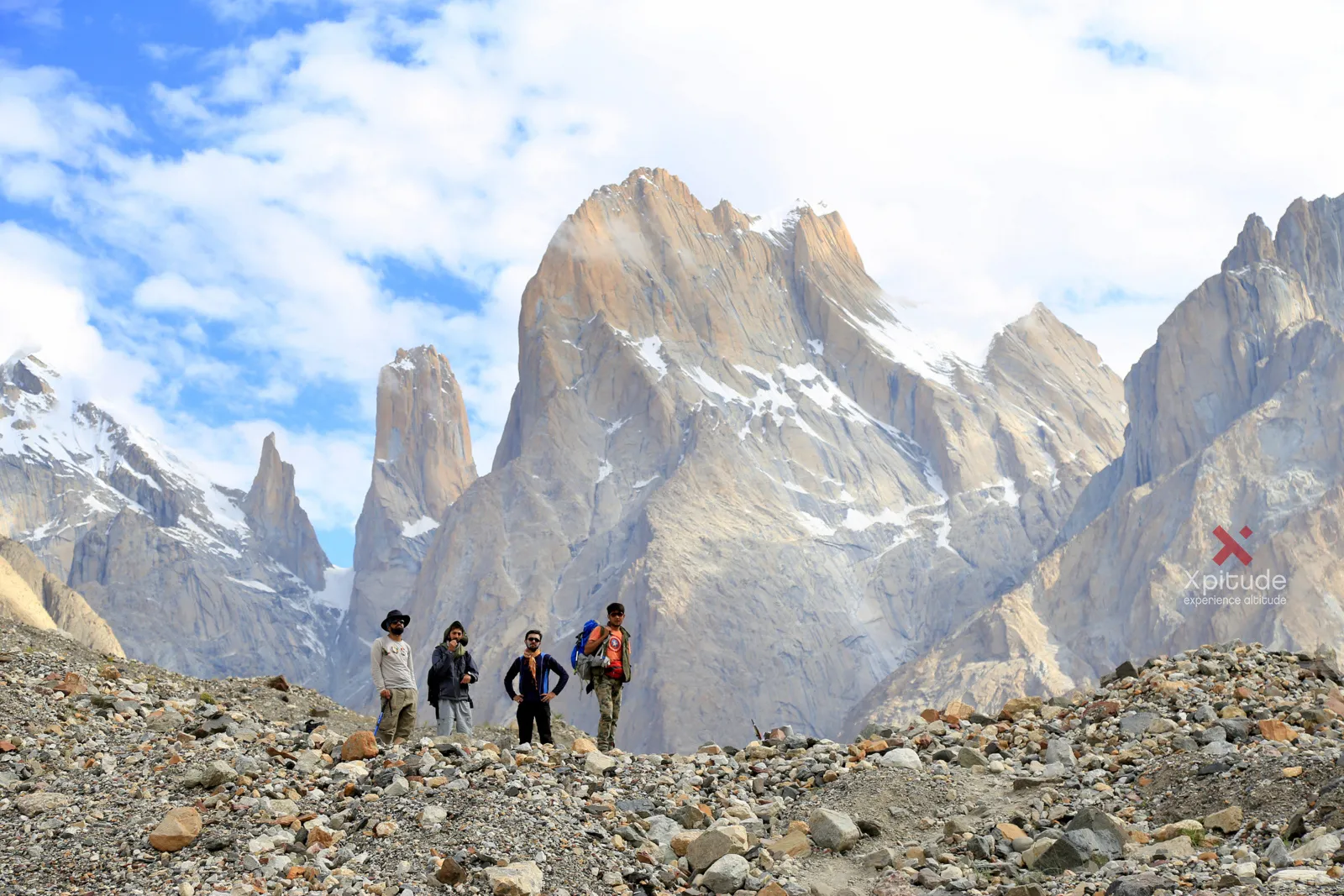
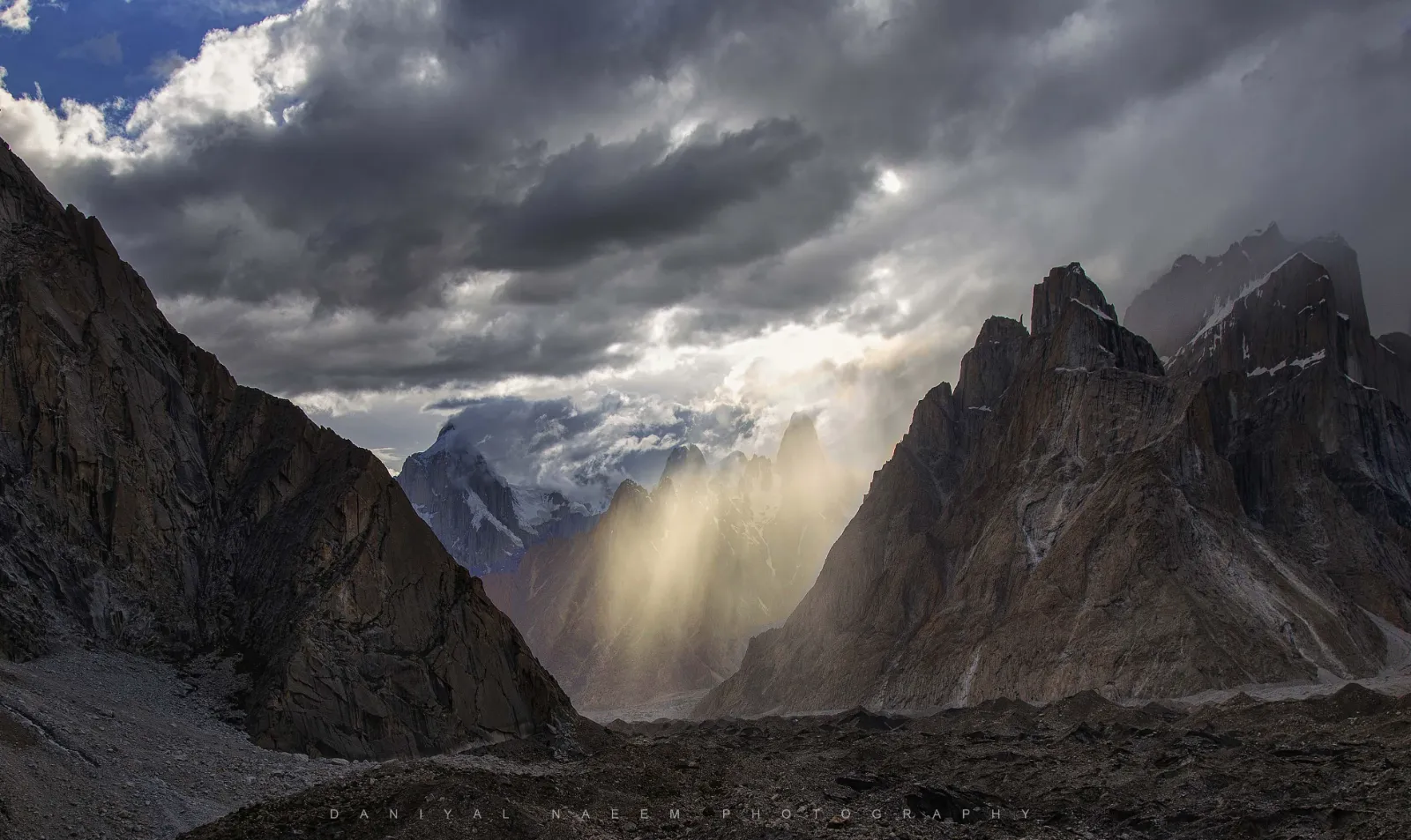
The Trango Towers appear first, granite spires so vertical they look photoshopped. Then Masherbrum, the Cathedral, Gasherbrum IV glowing pink at sunset. Each camp feels like a new room in an enormous stone cathedral.
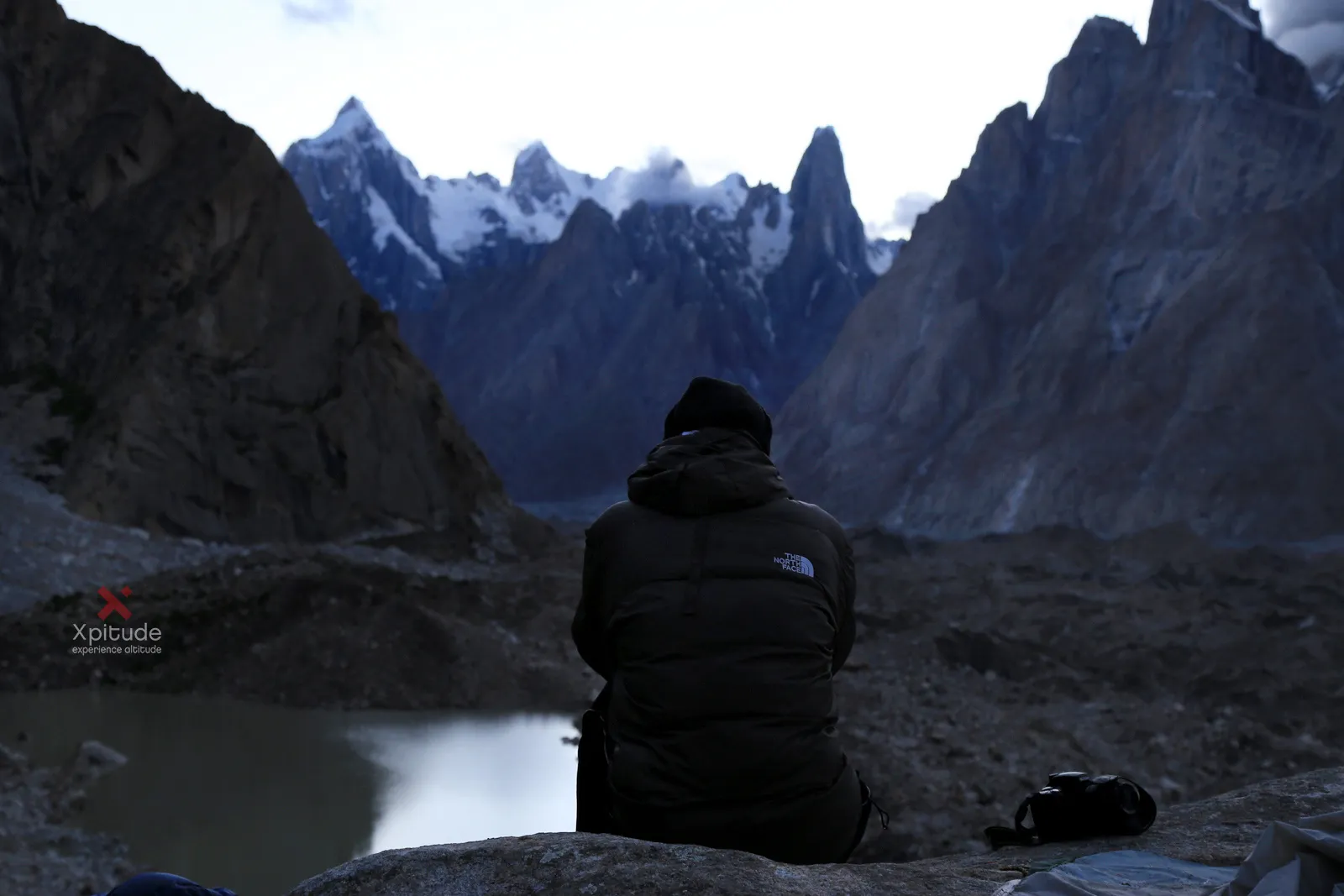
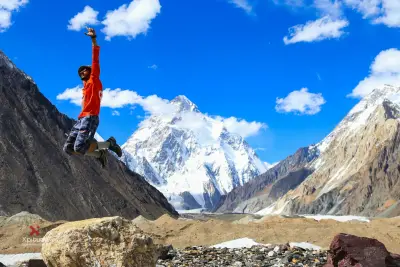
Then comes Concordia, where glaciers meet beneath K2, Broad Peak and the Gasherbrums. Four of the world's fourteen 8,000 m giants stand within a few days' walk. People go quiet here. It is less like sightseeing and more like being allowed into a place that was never really built for us.
Gondogoro La: The Night Shift
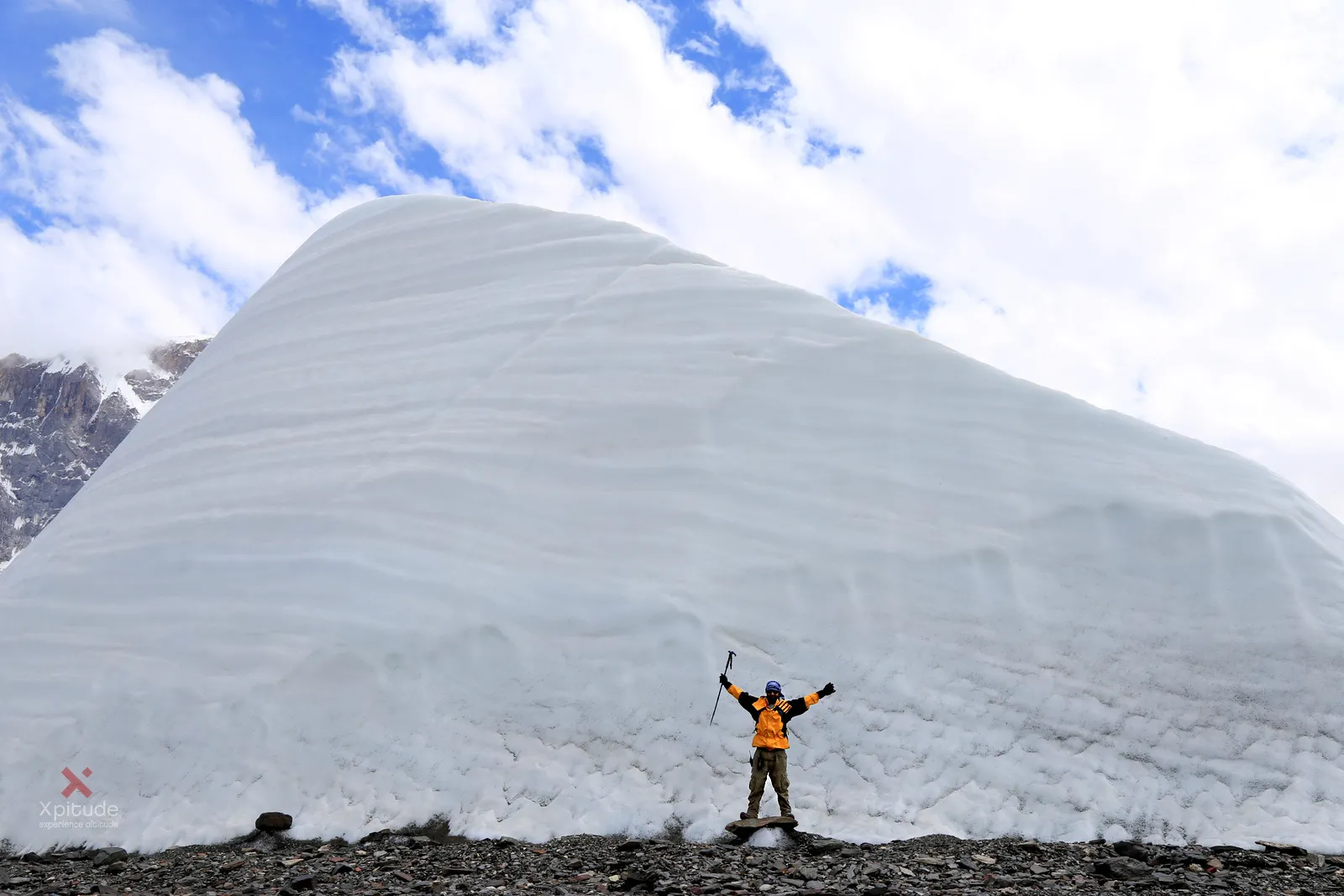
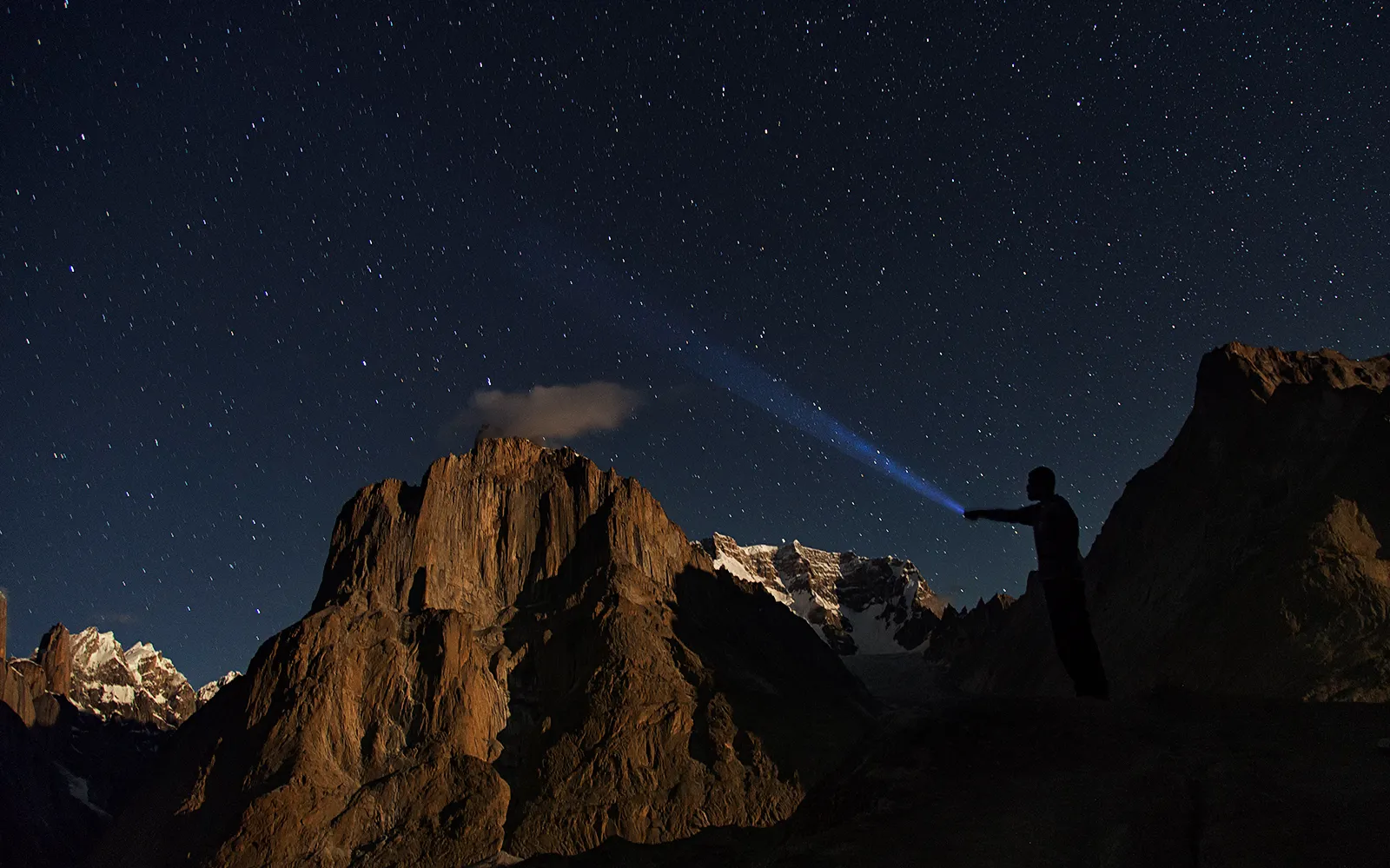
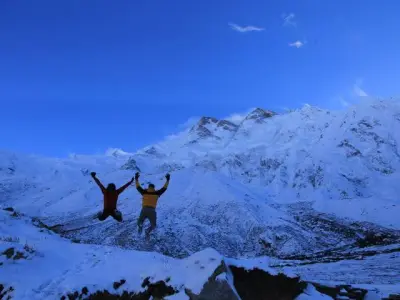
Most trekkers return the way they came. The bolder ones cross Gondogoro La, about 5,585 m, starting around midnight while the snow is still hard. Headlamps bob in a line, fixed ropes guide the way, crampons bite into the ice.
And then the sun rises behind you, lighting up K2, Broad Peak and the Gasherbrums all at once. Many trekkers describe it as the most humbling sunrise of their lives. The descent leads into the Hushe Valley, where green fields and apricot trees feel almost unreal after days of ice.
The People Who Make It Possible
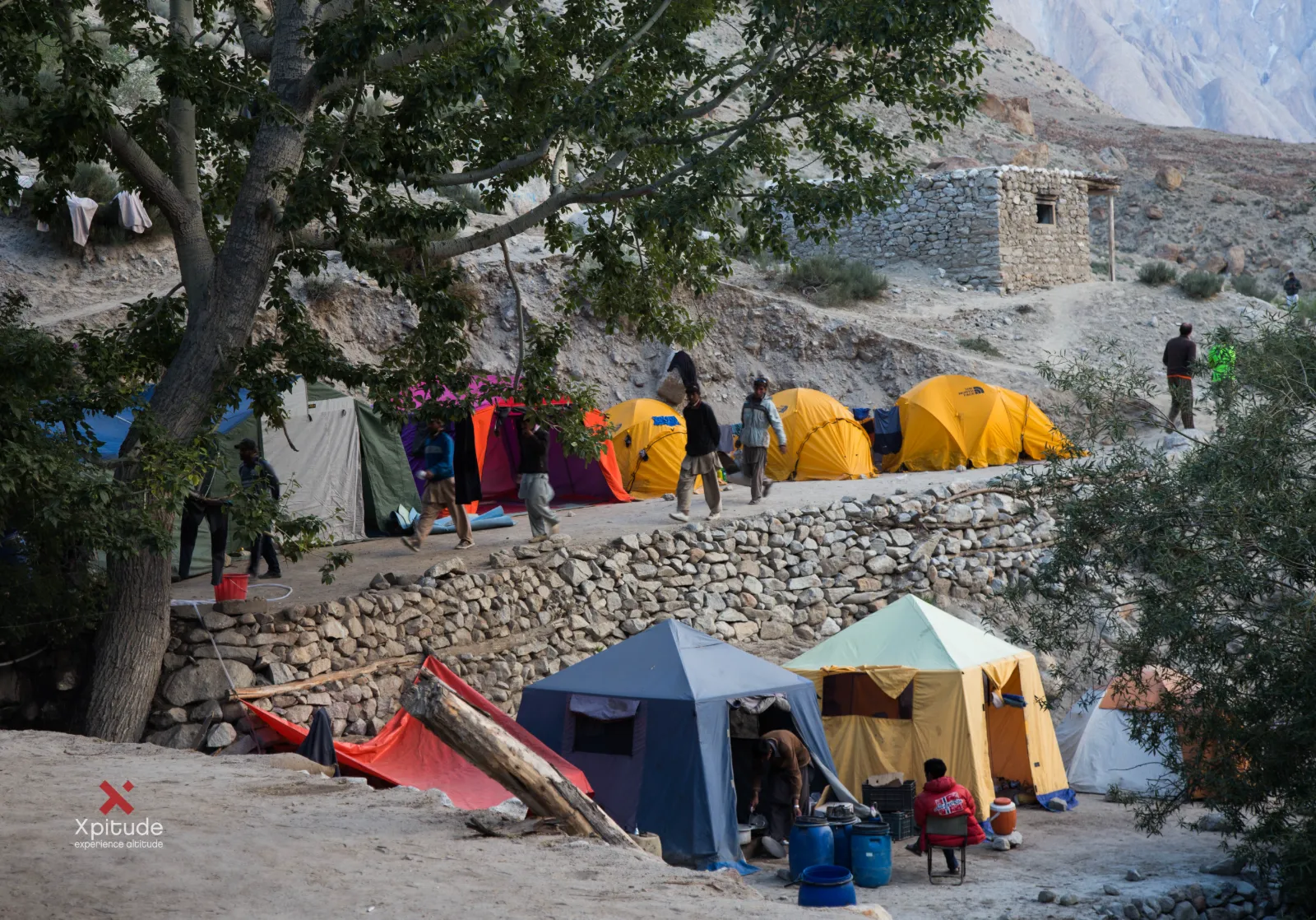
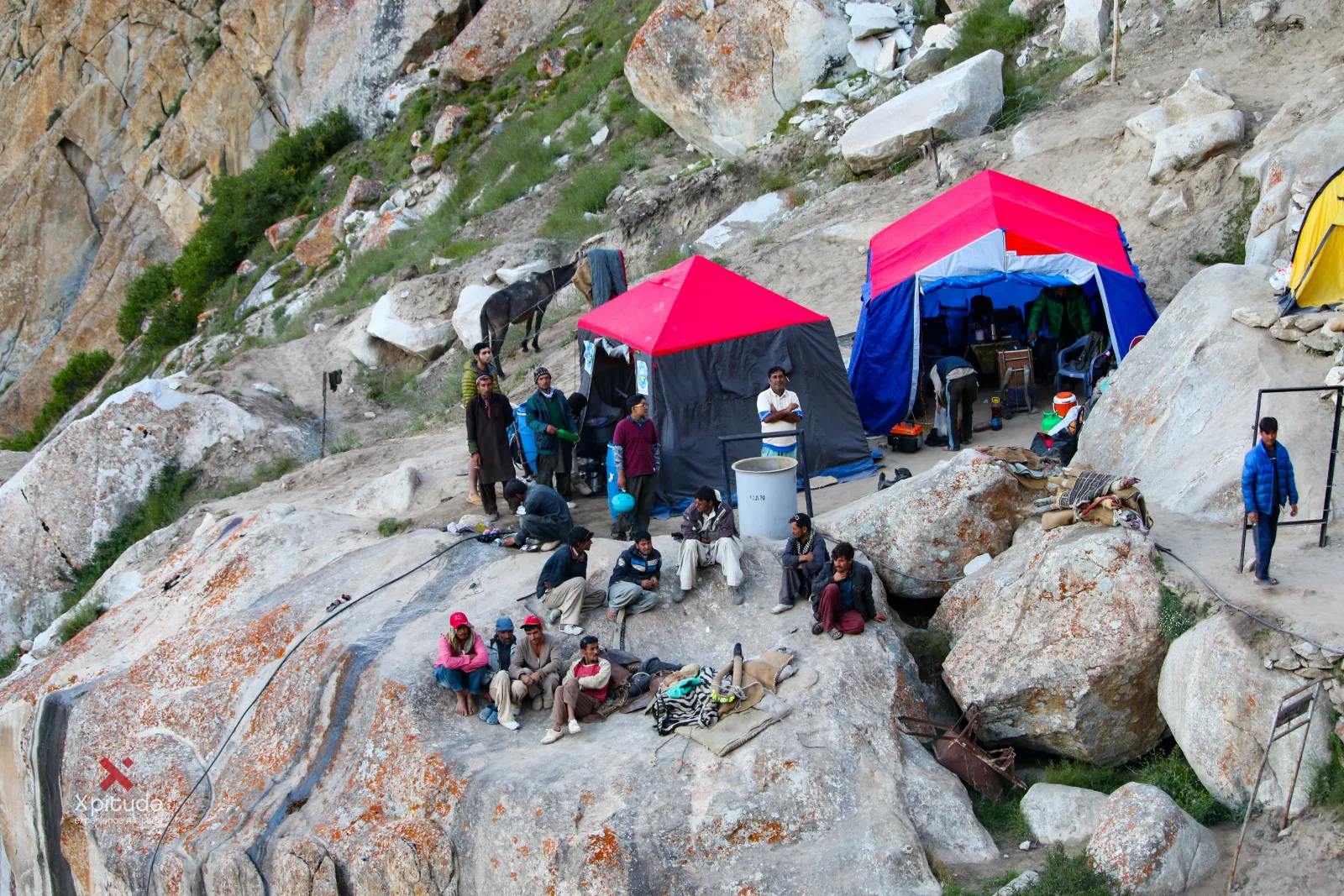
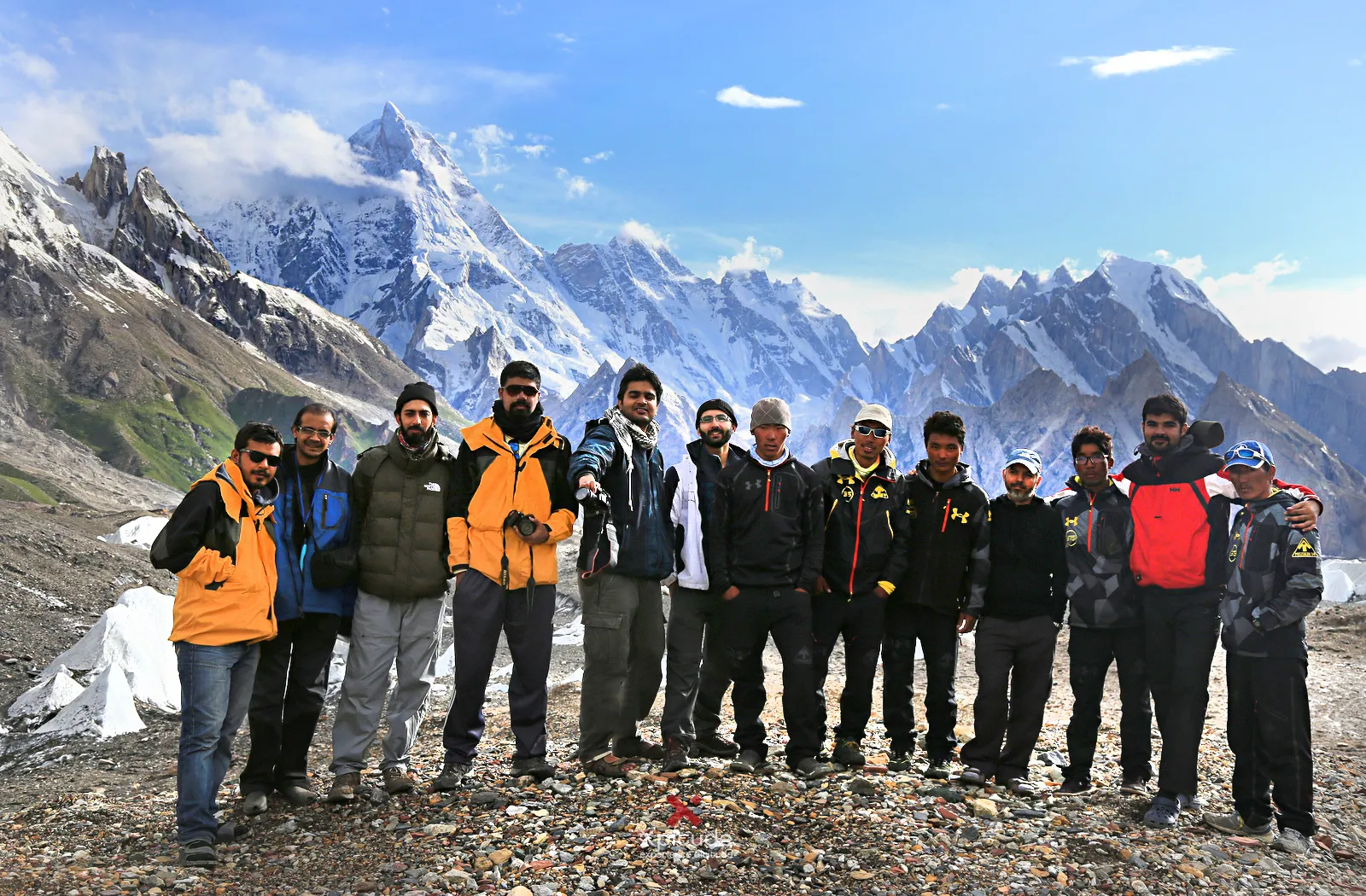
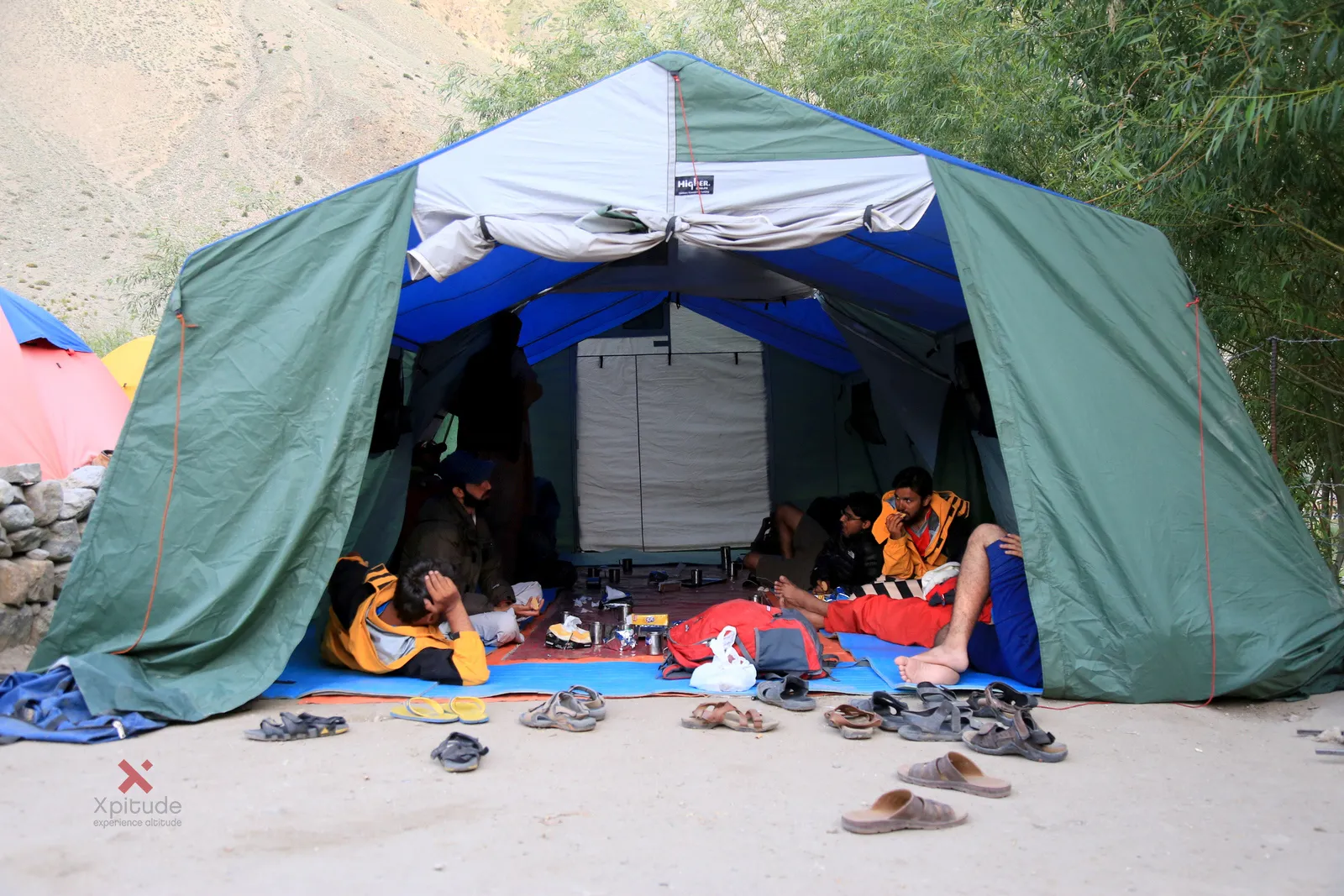
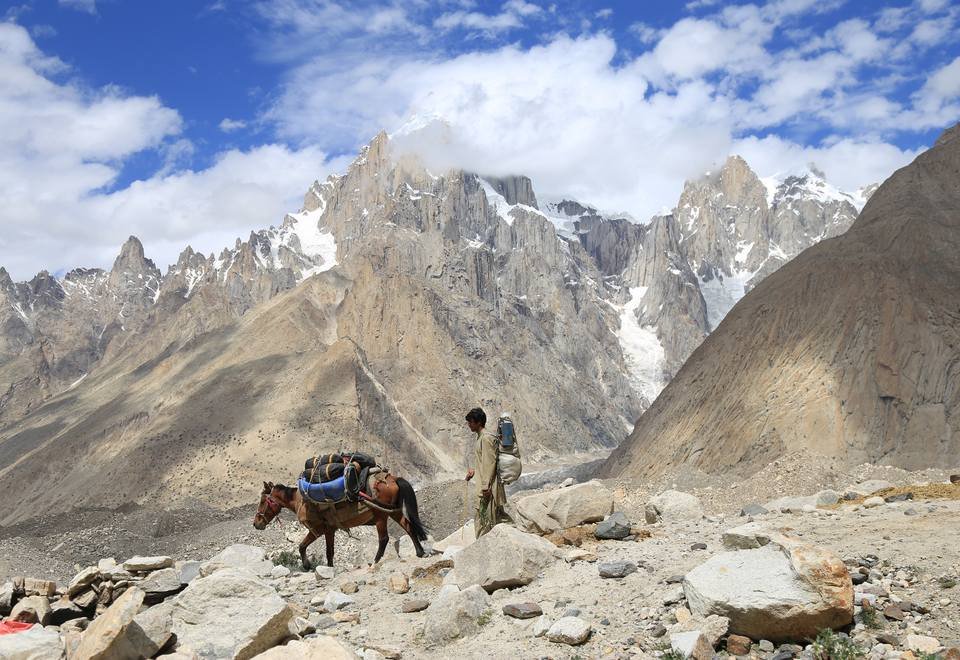
None of this works without the Balti porters, cooks and guides who carry the expedition on their backs and still find energy to sing in camp. Balti culture holds hospitality as a duty, and on the trail that often means the first cup of tea, the warmest spot near the stove and a surprisingly good dal at 4,500 m.
Their knowledge of the glacier, the weather and the mountains is the single most important piece of safety equipment you will have.