
The short answer
The regions most travellers come for, Hunza, Skardu, Fairy Meadows and the high Karakoram, are calm, welcoming and visited by foreign trekkers and climbers every season. Other parts of the country carry genuine risk and are the subject of government travel warnings. Both statements are true at once, which is why the region matters more than the country when you assess a trip.
Read the official advice first
- Check your own government's travel advisory for Pakistan before you book, and again shortly before you leave. Advice is given region by region.
- Check what your insurer says about those same regions. Many policies do not cover travel to an area your government advises against. See the Travel Insurance Guide.
- If your route passes through or near an area under a warning, raise it with us and we will talk through the alternatives.
The risks that matter in the mountains
For a visitor to the north, the hazards are the ordinary ones of big mountains rather than anything else.
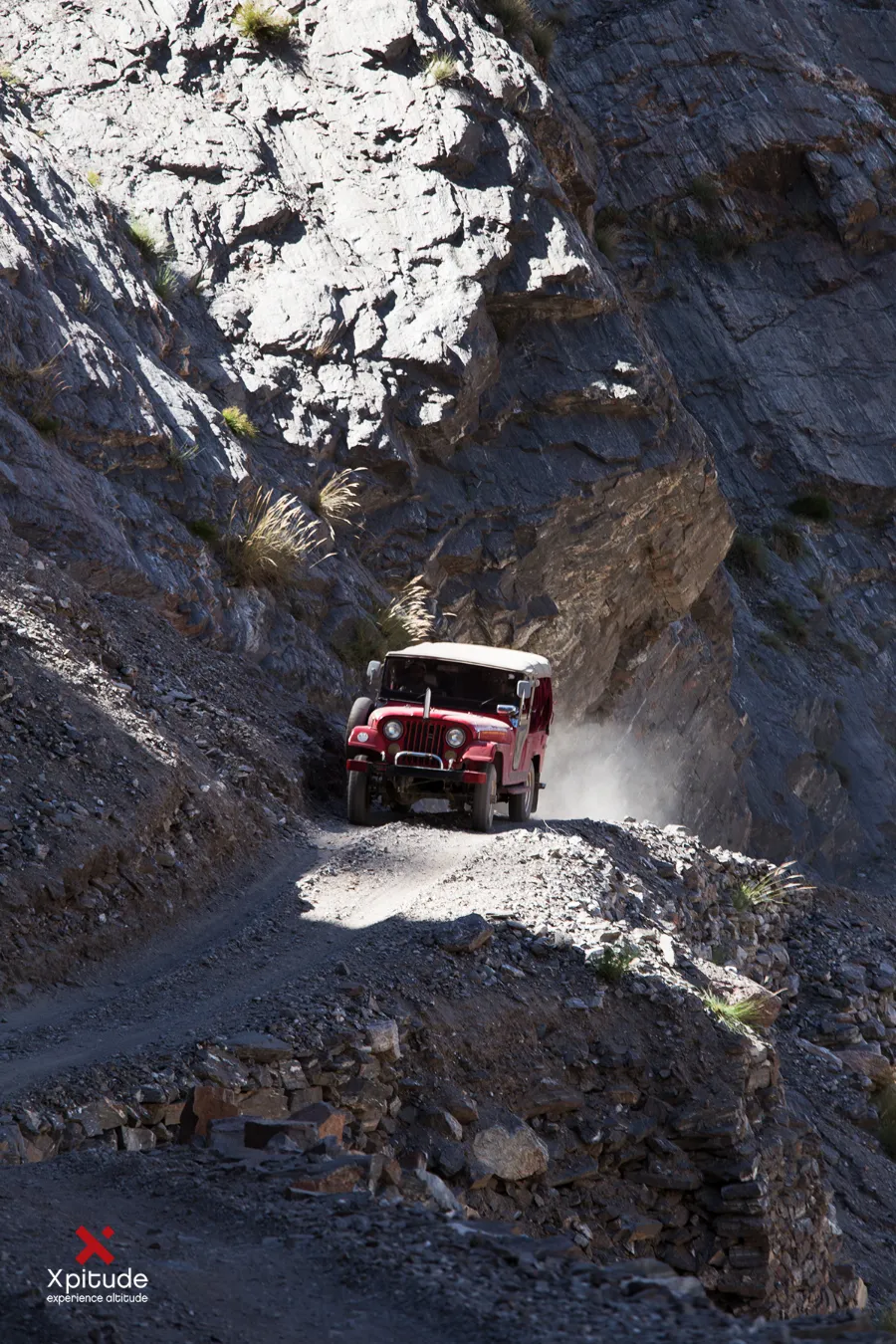
- Roads. Journeys are long, and the Karakoram Highway and the Skardu road are prone to rockfall and landslides, particularly after rain.
- Altitude. Several of our routes go above 4,000 metres and two go above 5,000. Acclimatisation is built into the itinerary and is not optional.
- Weather. Conditions change quickly and can close a pass, ground a flight or hold a group in camp for a day.
- Remoteness. Medical facilities in the north are basic. Hospitals are in Gilgit and Skardu, and serious cases go to Islamabad.
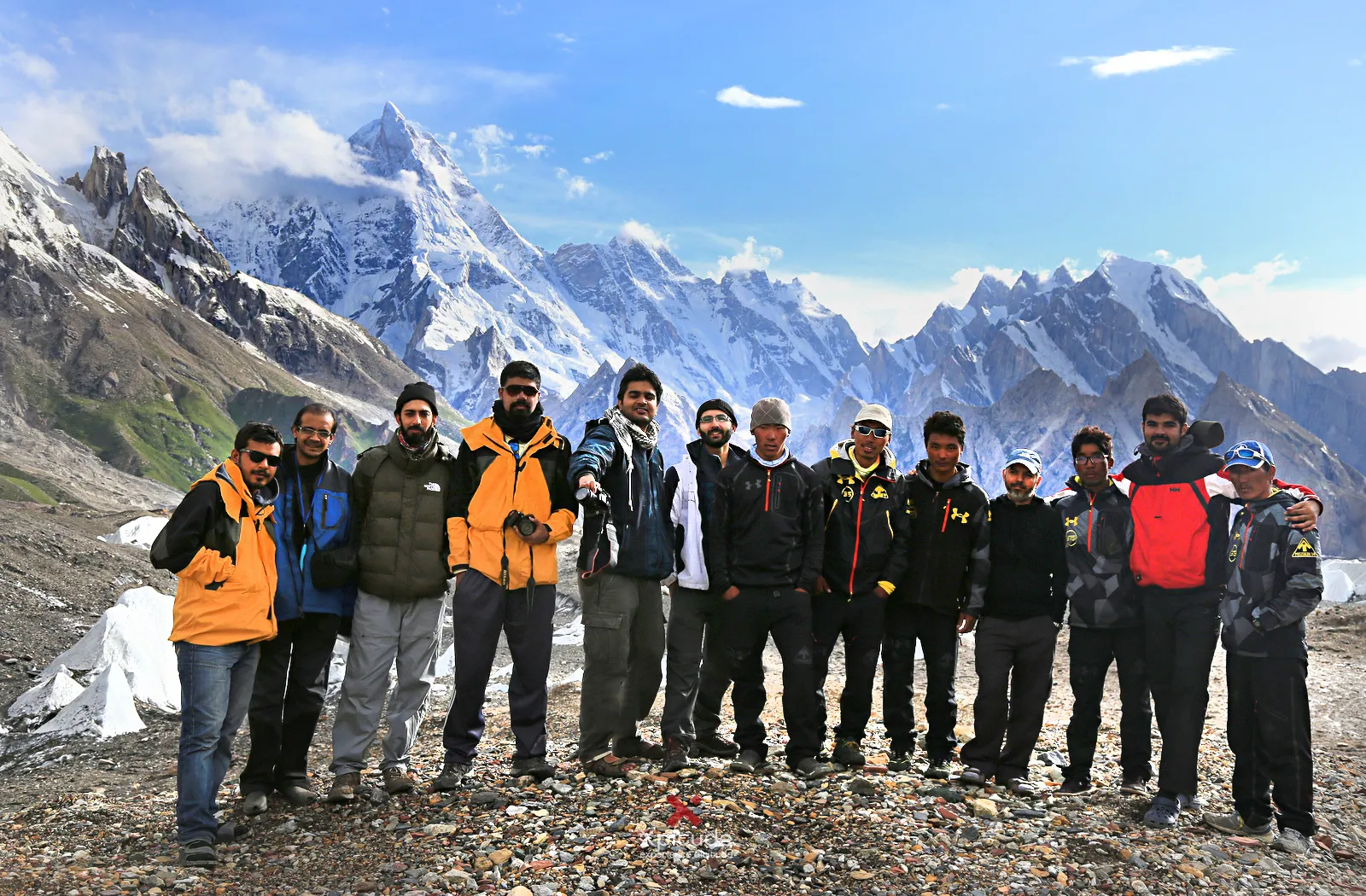
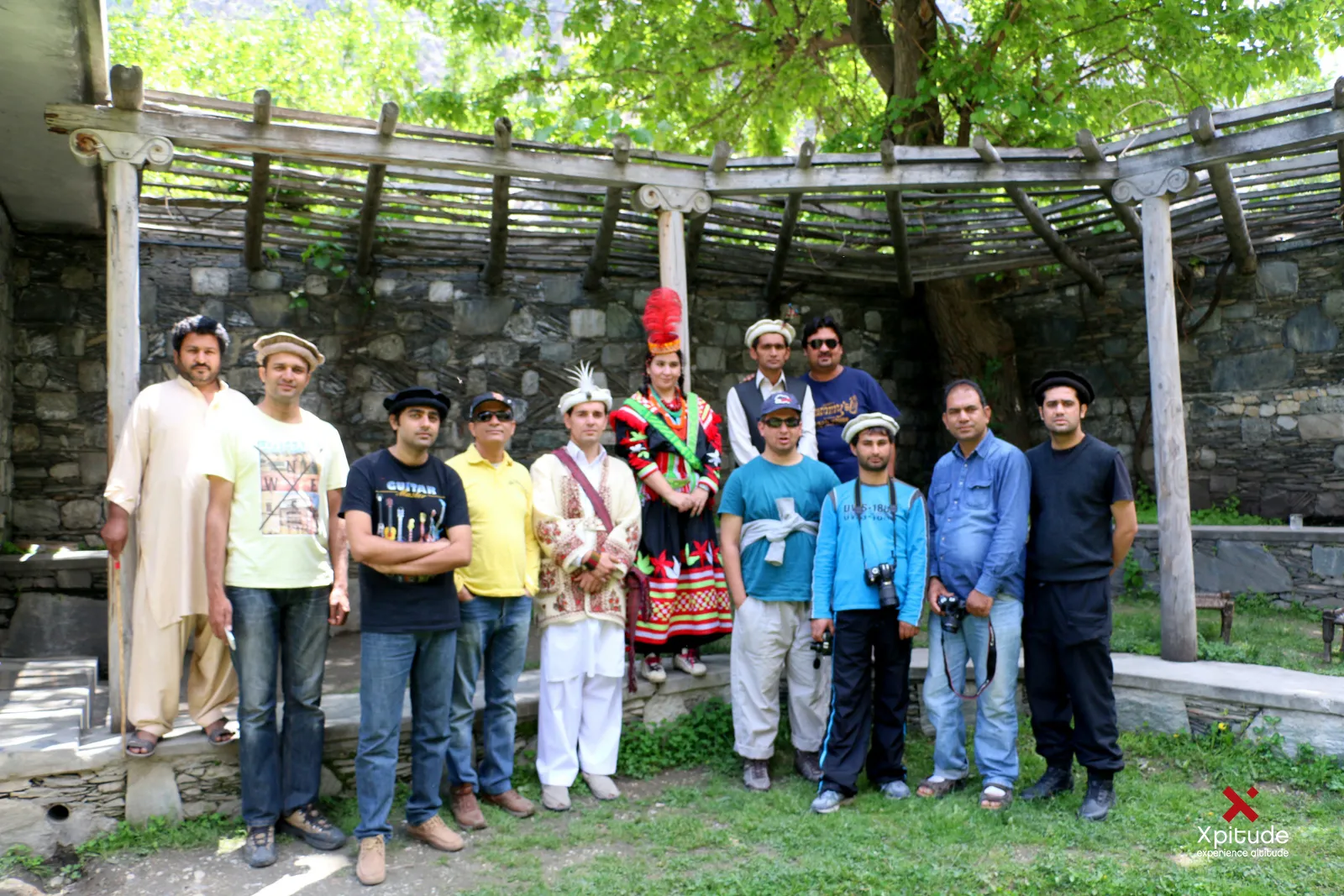
What travelling with XPITUDE changes
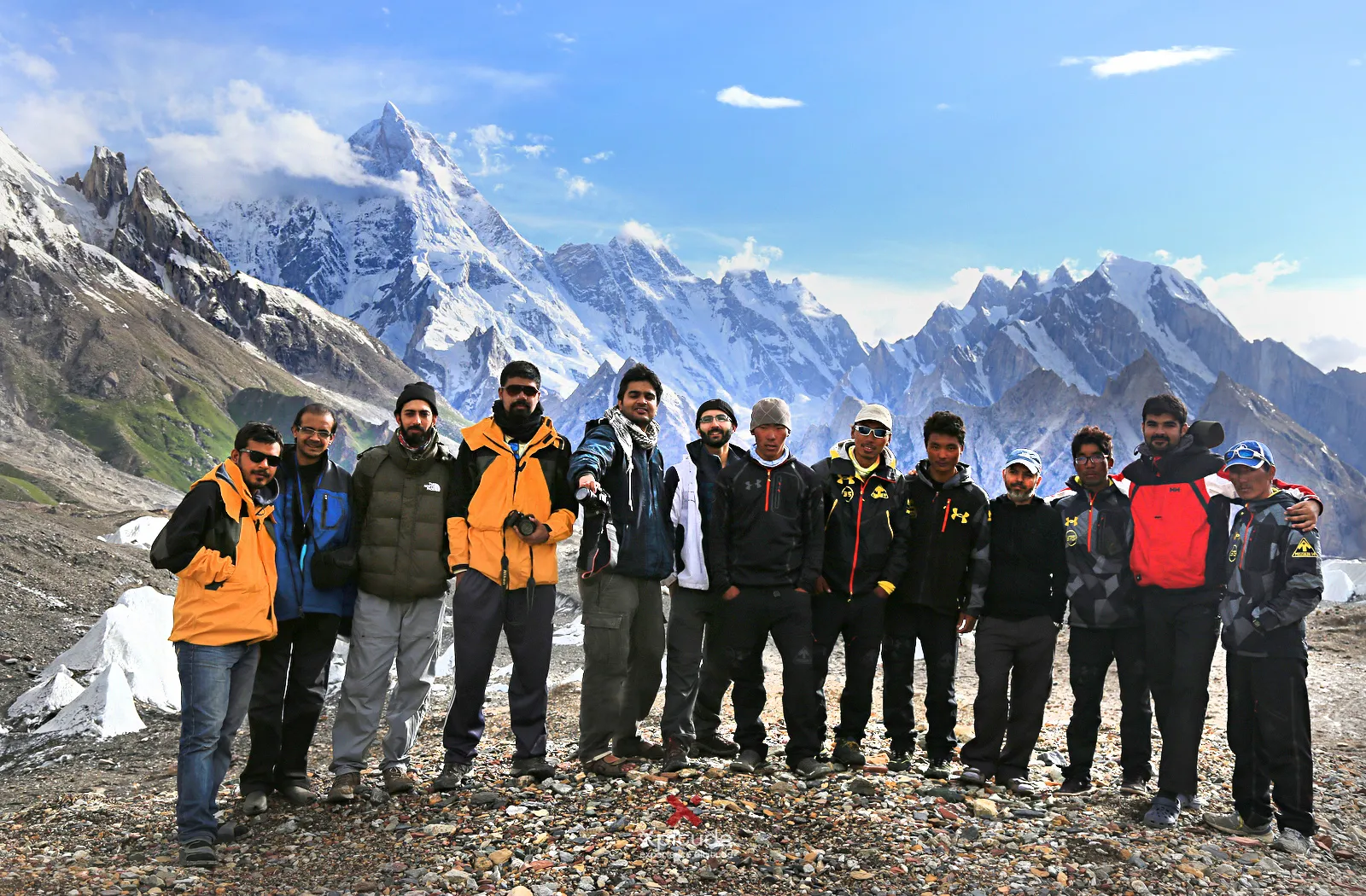
- A licensed guide and trained crew on every departure.
- A coordinator in Islamabad who is reachable for the whole journey.
- A written kit list, altitude guidance and a pre departure call, so you arrive prepared.
On the ground
- Carry your passport and several photocopies of the photo page and visa. Foreign visitors are registered at checkpoints along the main roads.
- In some districts the authorities provide visitors with a police escort. It is routine and it is not a sign that something is wrong.
- Keep away from demonstrations and large political gatherings.
- Avoid mountain roads after dark.
- Follow your guide's judgement on weather, route and timing. It is what they are there for.
Destination by destination
From our destination guides. Select a place to read the full story.
- K2 Base Camp & Gondogoro La Trek
- Book with an operator that builds in acclimatization and weather days. Rushed itineraries are the main safety risk.
- Shogran, Siri Paye & Makra Peak
- Attempt Makra only with a local guide and a clear forecast.
- Musa ka Musalla Trek
- Hire a local guide. Routes are not always obvious in mist.
- Skardu Travel Guide
- Never approach or feed wildlife, especially bears.
- Nathia Gali & Mukshpuri Hike
- Avoid isolated trails after dark.
- Swaik Lake, Kallar Kahar
- There are no lifeguards. Water depth and submerged rocks are unpredictable.
Avoid visiting during or after heavy rain because of flash flood risk. - Ratti Gali Lake in Winter
- Never attempt the lake in winter. Routes close and avalanche risk is high.
Use only certified jeeps in summer. - Paragliding at Khanpur Lake
- It can be when done with qualified pilots, maintained equipment and suitable weather. Always verify the operator before flying.
Women travellers
Many women travel in northern Pakistan, in groups and alone, and are received with courtesy. Modest dress is expected everywhere. Hunza is noticeably more relaxed than the towns further south.
General guidance for planning. Rules, schedules and conditions change, so confirm the details that matter with official sources and with your XPITUDE planner before you book.