
You receive a written kit list for your own departure before you leave, and where it differs from this page, that list is the one to follow. Use this as a general checklist while you plan.
How to pack
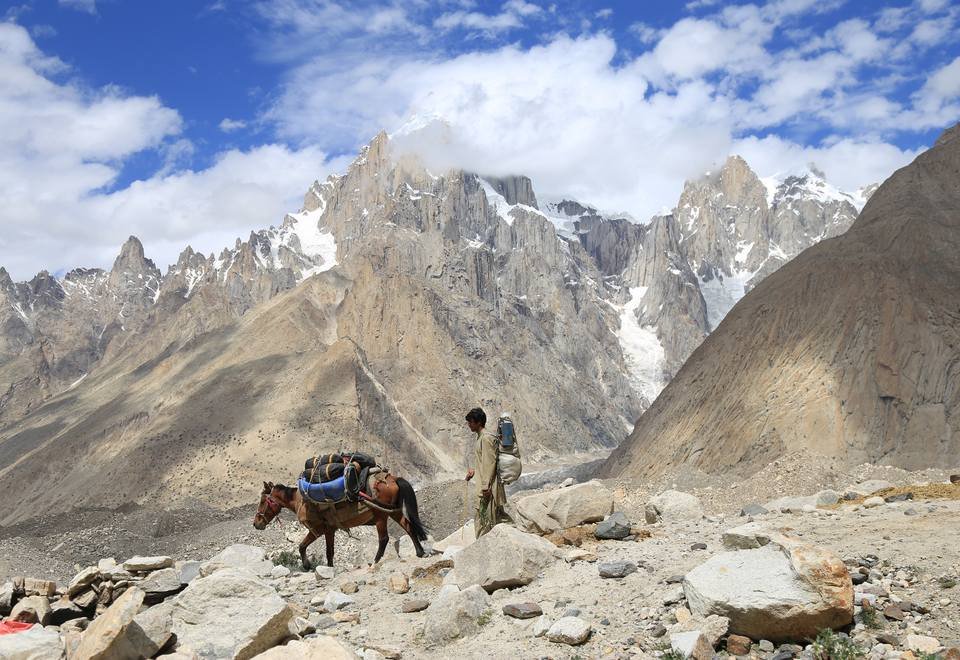
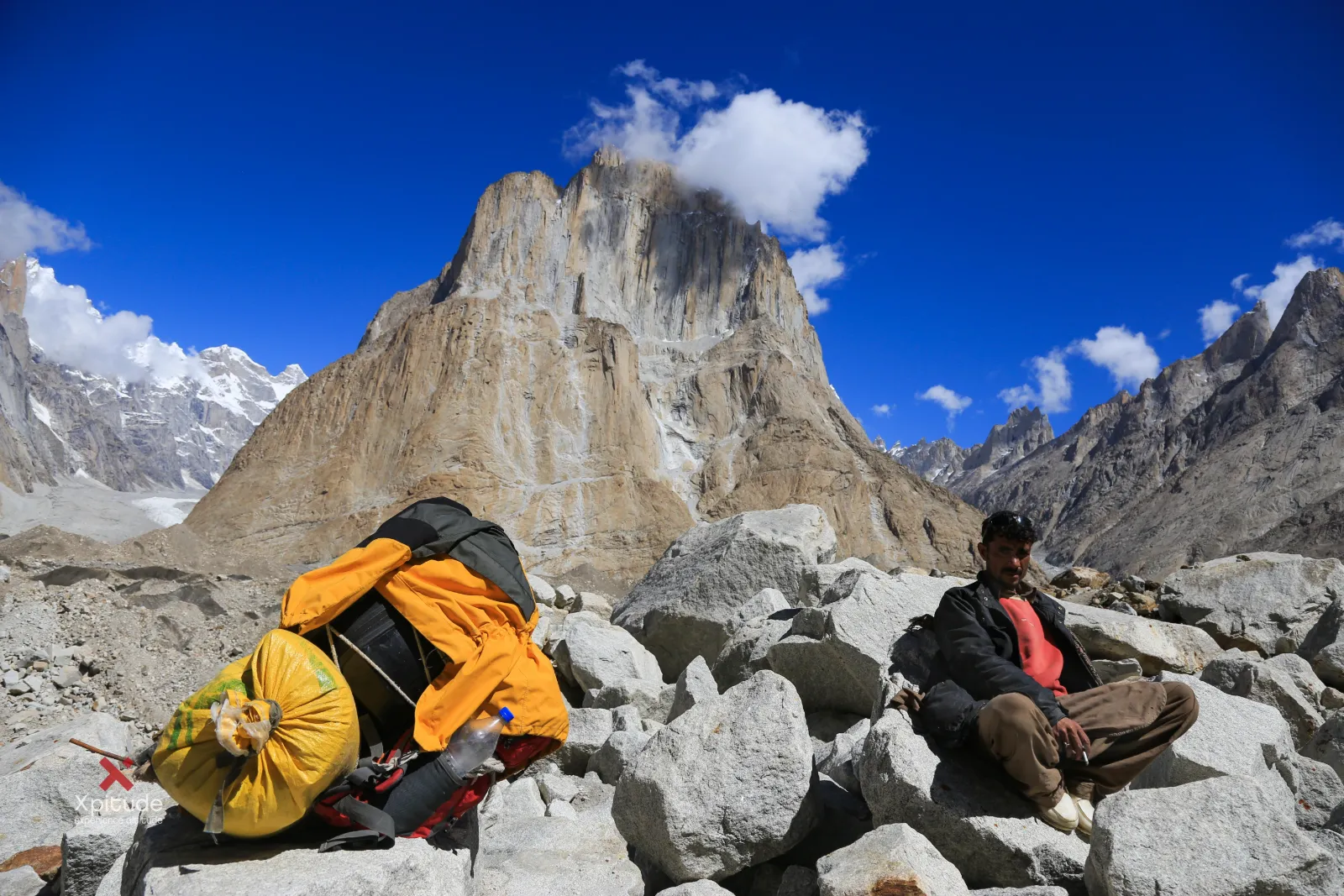
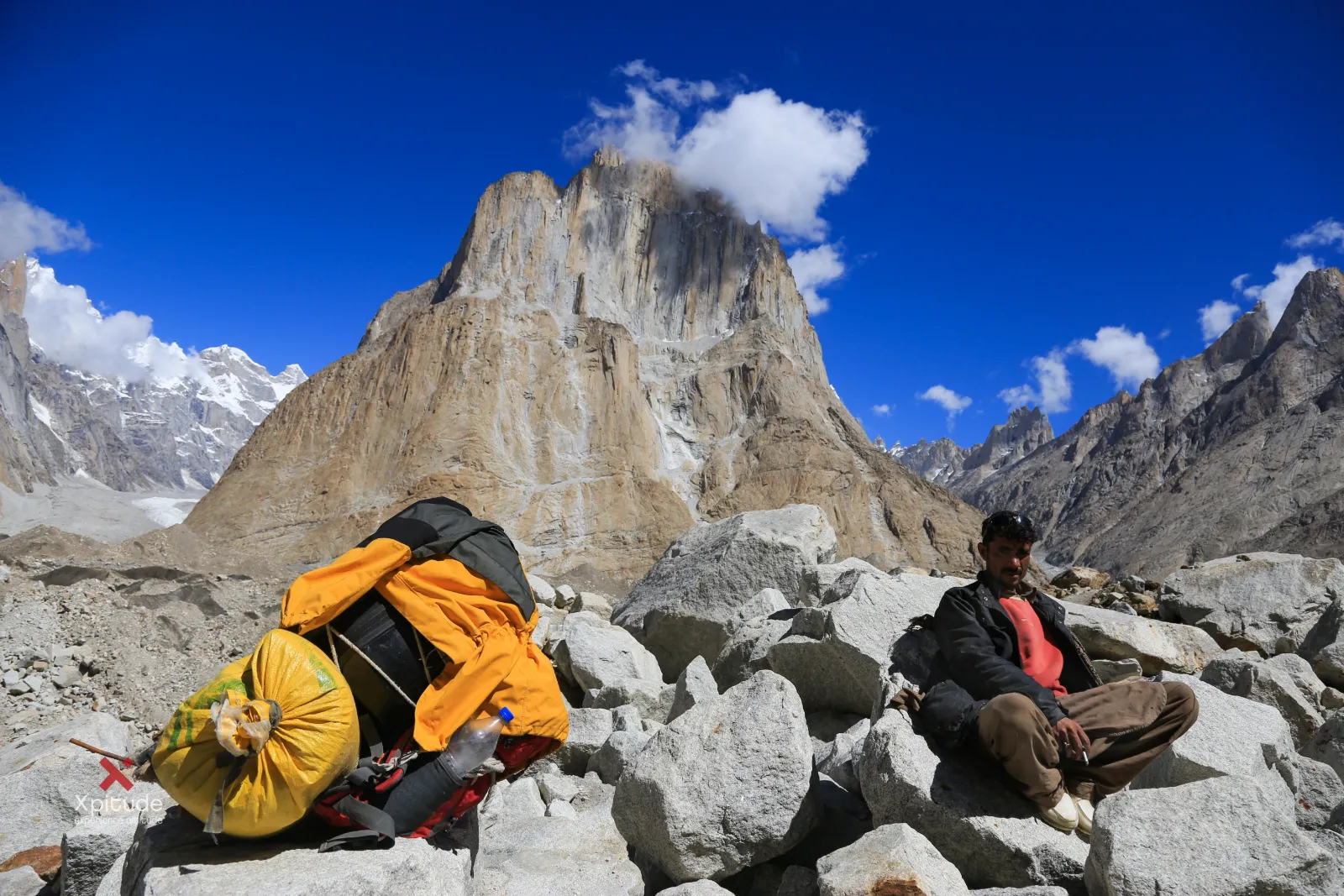
- One duffel bag for your main kit. Soft, tough and lockable. It travels with the porters or pack animals, so you will not see it during the day.
- One daypack of 25 to 35 litres, carried by you, for water, layers, camera and snacks.
- Ask your planner for the weight allowance on your route. Porter loads are capped and domestic flights carry less than international ones.
Documents and money
- Passport and printed visa approval
- Photocopies of both, and passport photos
- Travel insurance certificate and emergency number
- Cash in rupees for the mountain section
- Flight tickets and booking references
- Emergency contact details
Clothing
- Base layers, top and bottom
- Trekking shirts, long sleeved
- Fleece or light insulated mid layer
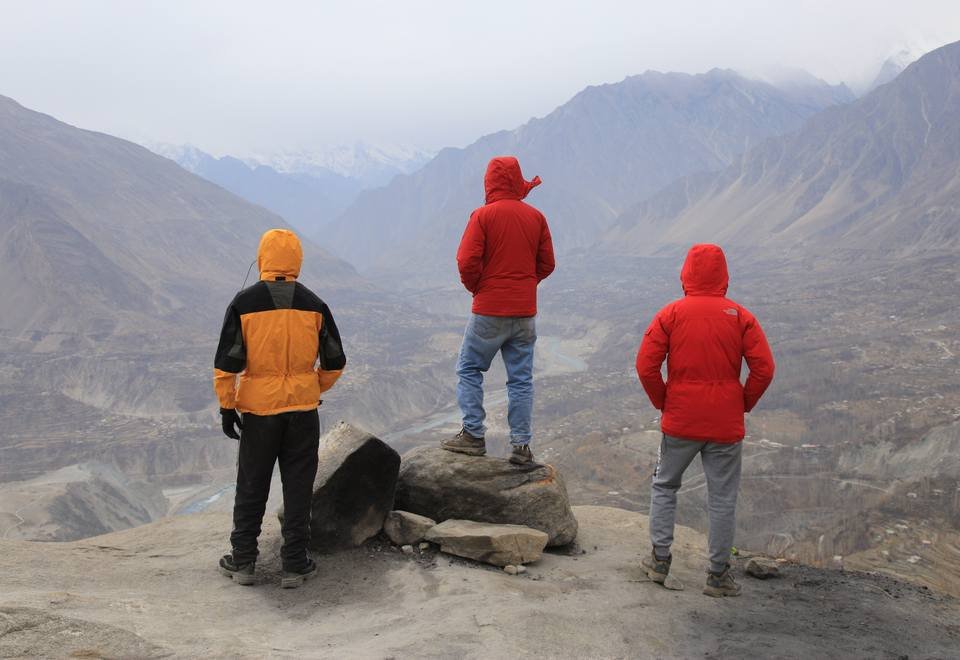
- Down jacket
- Waterproof jacket and trousers
- Trekking trousers
- Warm hat and sun hat
- Buff or neck gaiter
- Liner gloves and warm gloves
- Trekking socks and liner socks
- Modest clothes for towns and villages
- A scarf, for mosques and shrines
Footwear
- Trekking boots, waterproof and well worn in
- Camp shoes or sandals
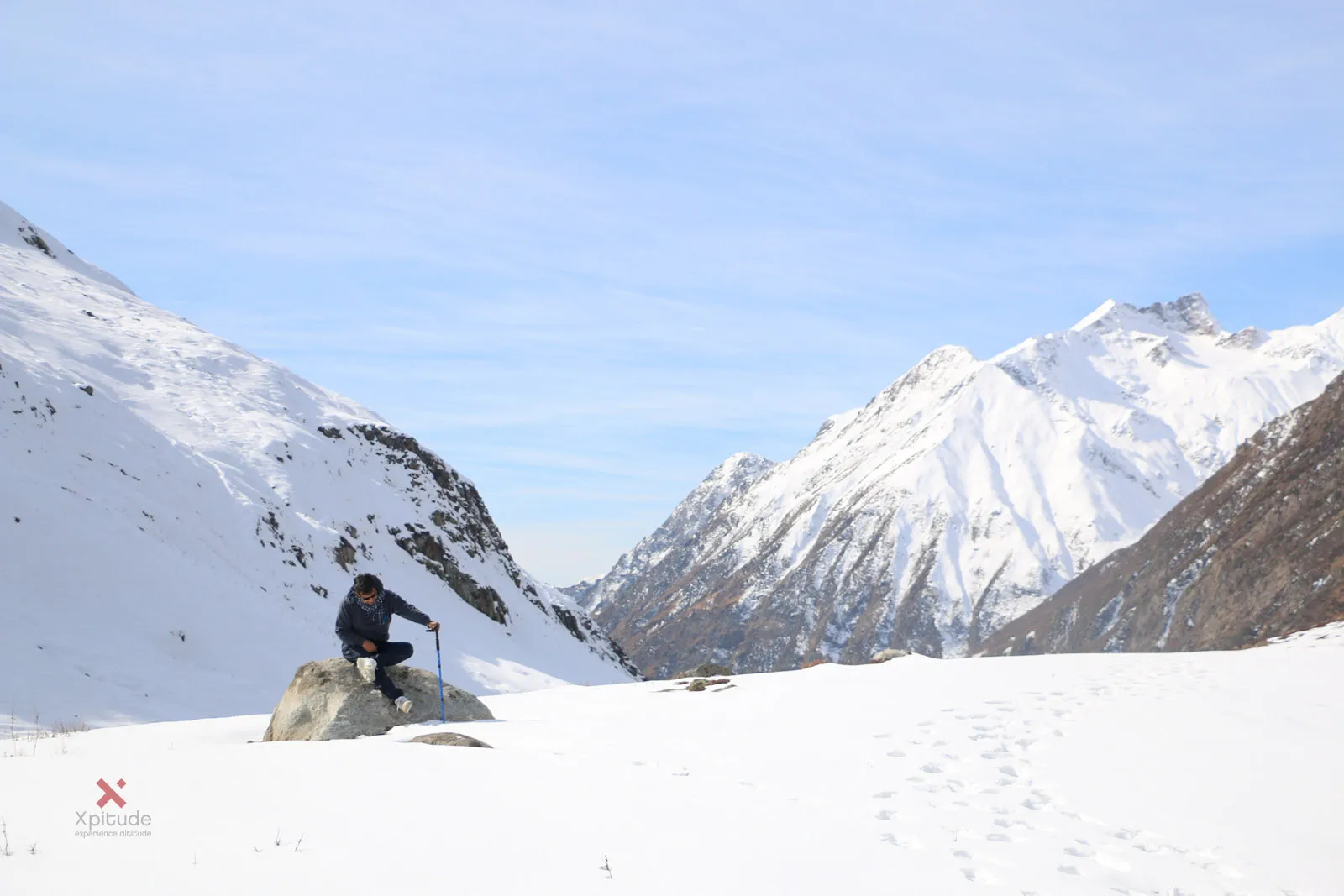
- Gaiters, for snow and scree
- Spare laces
Sleeping and camp
- Sleeping bag suited to the lowest night temperature on your route
- Sleeping bag liner
- Head torch and spare batteries
- Water bottles or bladder, two litres in total
- Water purification tablets or filter
- Quick drying towel
- Wet wipes and hand sanitiser
- Toiletries in small quantities
In your daypack
- Sunglasses rated category 3 or 4
- Sunscreen, SPF 50, and lip balm
- Trekking poles
- Personal medical kit
- Snacks you know you like
- Dry bag or pack cover
Electronics
- Power bank, the larger the better
- Plug adaptor for types C and D
- Camera, spare batteries and cards
- Charging cables
For Grade IV treks and above
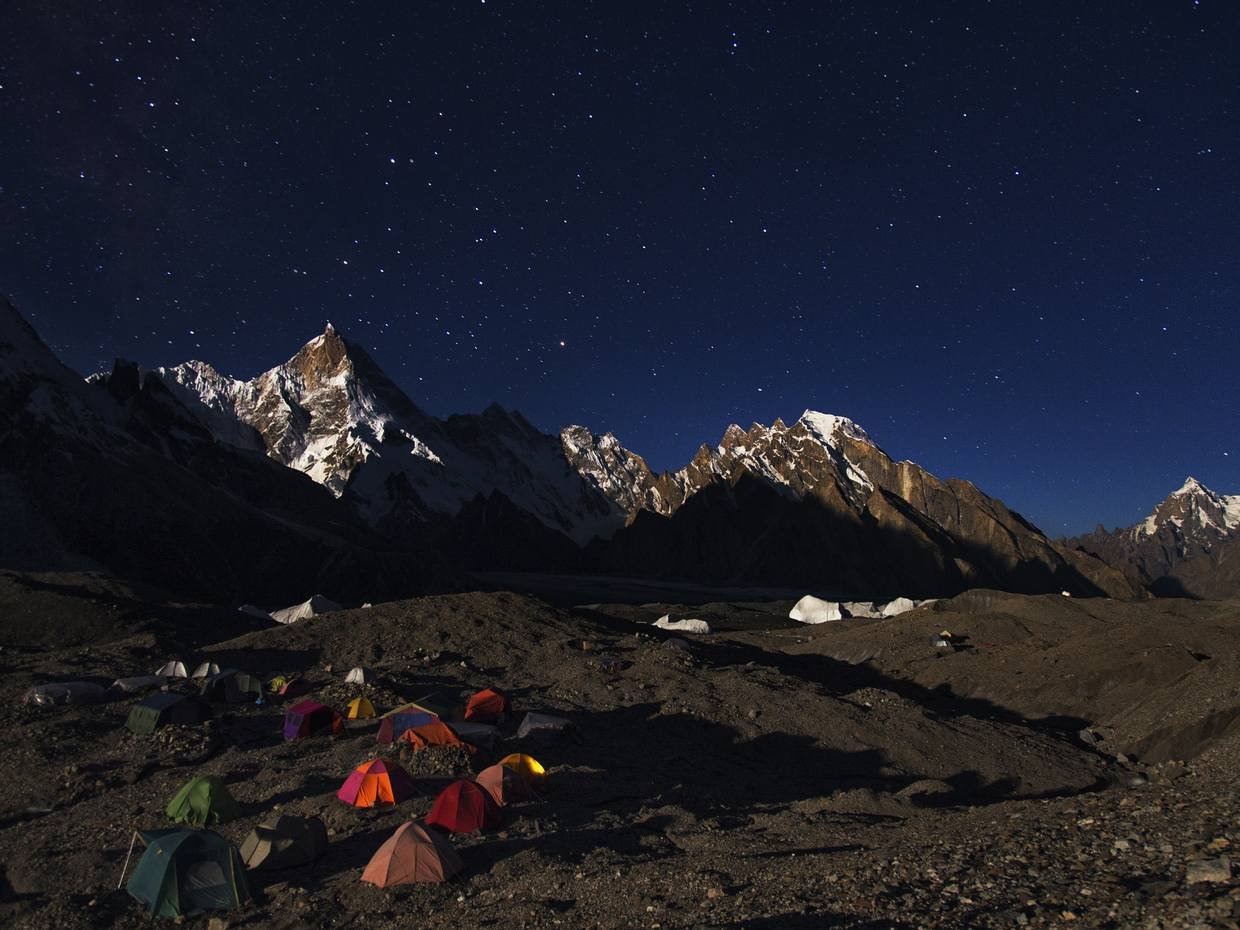
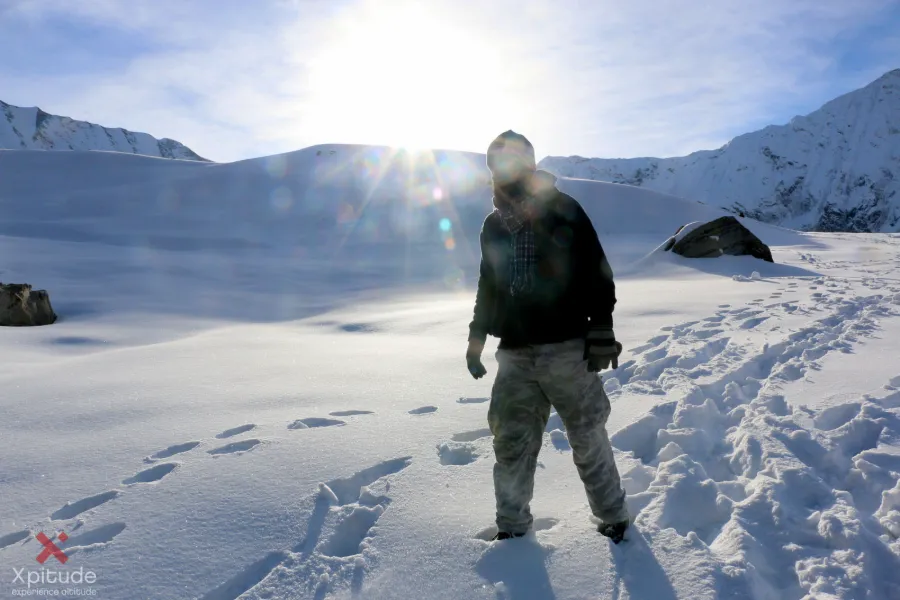
On routes that sleep above 4,000 metres, the cold is the thing to pack for. Bring a warmer sleeping bag, a heavier down jacket, insulated gloves and glacier grade sunglasses. If your route includes a technical pass, we will tell you exactly what is needed and what can be provided.
What to pack, place by place
From our destination guides. Select a place to read the full story.
- Fairy Meadows & Nanga Parbat Base Camp
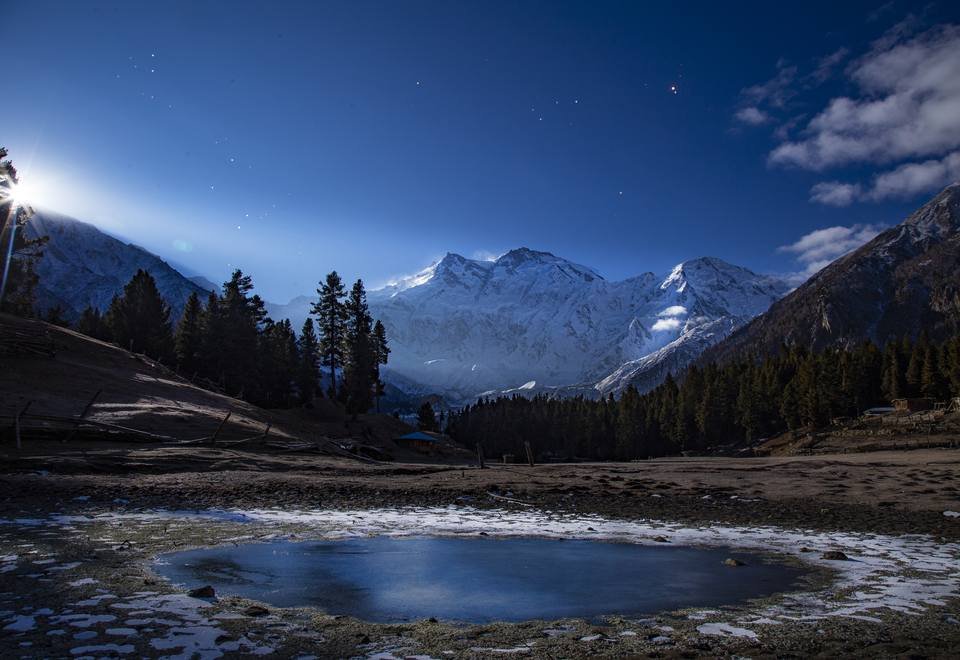
- Pack warm layers. Nights are cold even in July.
- Skardu Travel Guide
- Deosai is cold and exposed. Bring warm layers and sun protection.
- Shogran, Siri Paye & Makra Peak
- Carry rain gear even on sunny days.
- Musa ka Musalla Trek
- Carry enough water. Sources on the ridge are limited.
- Ganga Choti Trek from Sudhan Gali
- Carry water, warm layers and a rain jacket.
- Nathia Gali & Mukshpuri Hike
- Snow and ice make winter hikes slippery. Use proper footwear.
Carry your trash down. Ayubia is a protected park. - Swaik Lake, Kallar Kahar
- Wear sturdy shoes for the rocky path.
Facilities are limited. Bring water and snacks. - Paragliding at Khanpur Lake
- Wear closed shoes and secure clothing.
For tours and road journeys
You need far less. Comfortable walking shoes, layers for cool evenings, a warm jacket, sun protection and modest clothing cover almost every tour we run. See the Recommended Medical Kit for what to carry on any trip.
General guidance for planning. Rules, schedules and conditions change, so confirm the details that matter with official sources and with your XPITUDE planner before you book.