

In this story
Imagine a valley where spring is not just a change in weather. It is a reason to sing, dance and share milk with everyone you love.
Welcome to Chilam Joshi, where the end of winter comes with drums.
Who Are the Kalash?
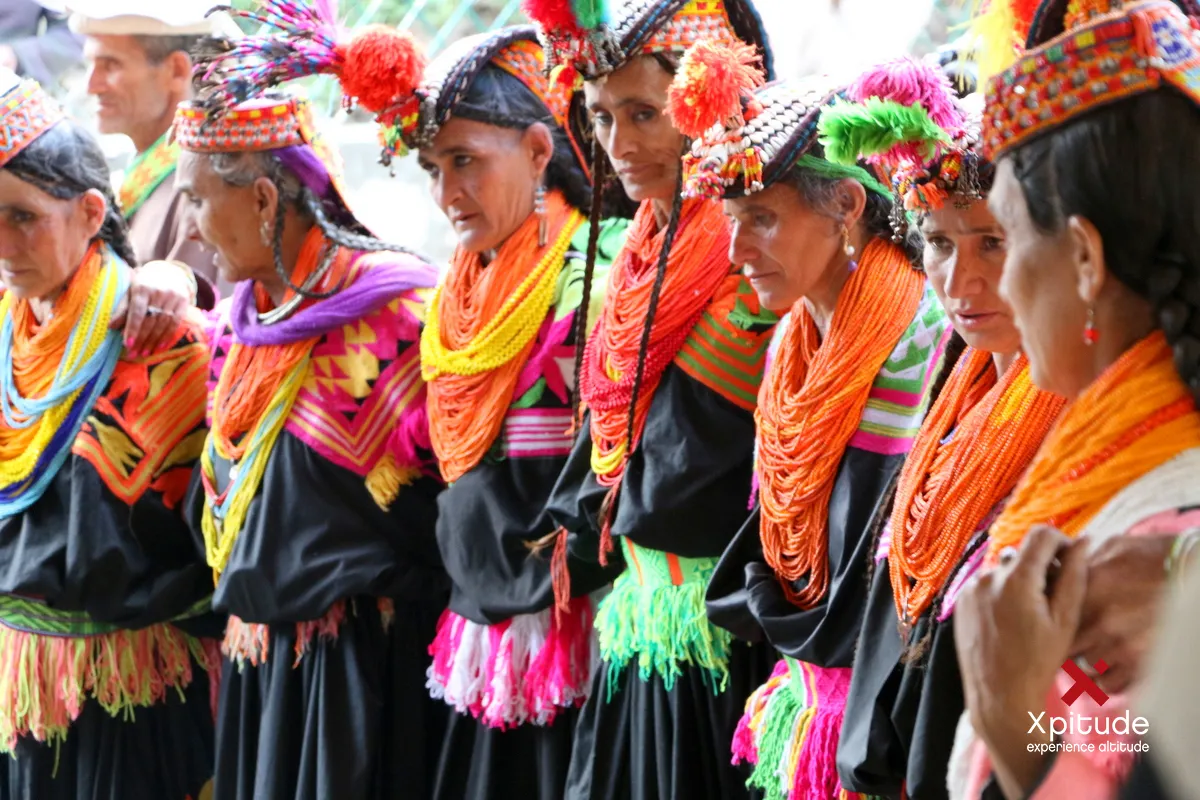
The Kalash live in three valleys of Chitral: Bumburet, Rumbur and Birir. With only around 7,500 speakers of Kalasha counted in the 2023 census, they are one of Pakistan's smallest communities, with a language, faith and culture found nowhere else.
You may hear that they descend from Alexander the Great's soldiers. It is a romantic story, but genetic research has not supported it. The truth is arguably more interesting: a long isolated mountain people who have kept their own traditions for centuries.
The Festival Itself
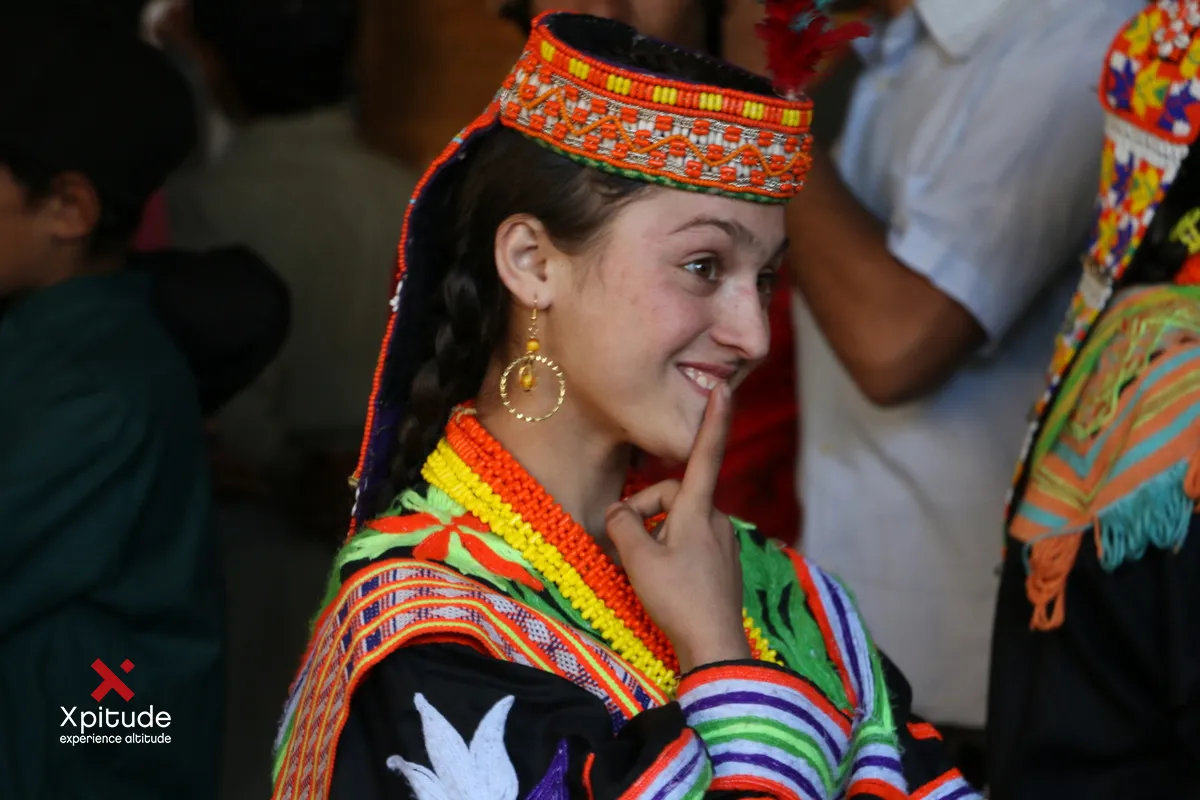
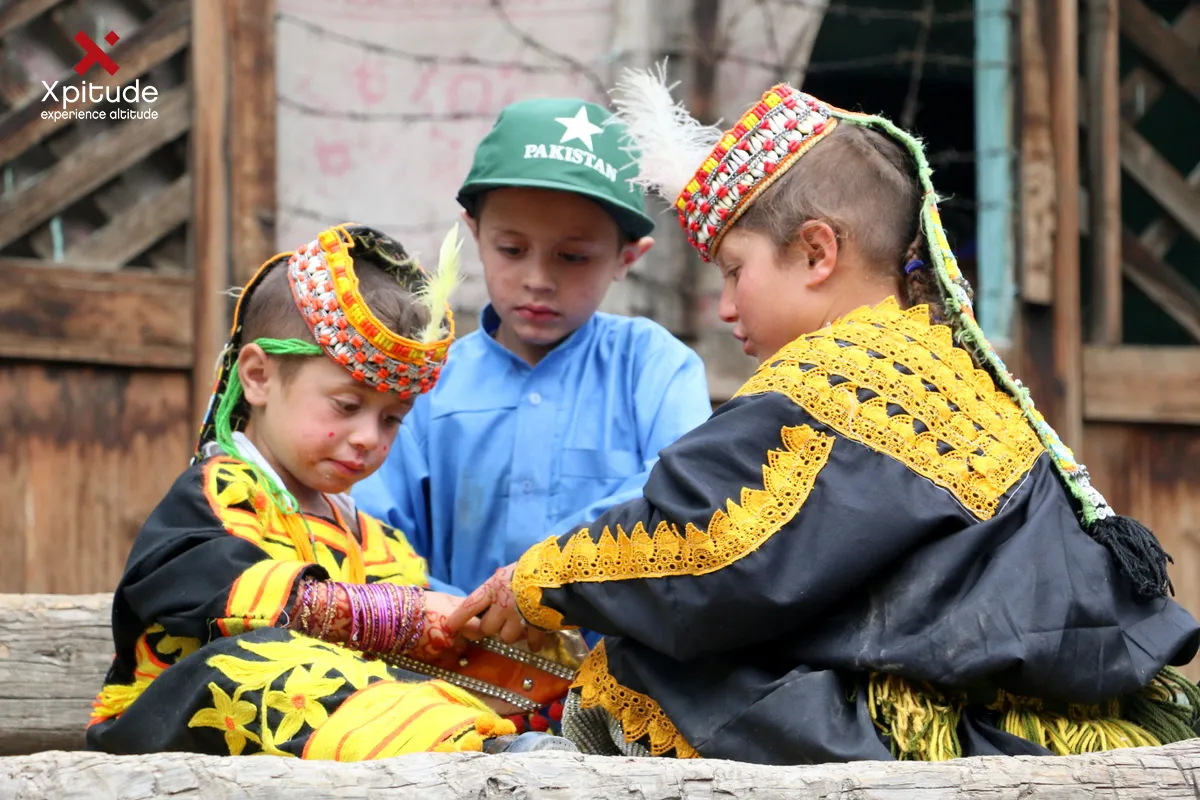
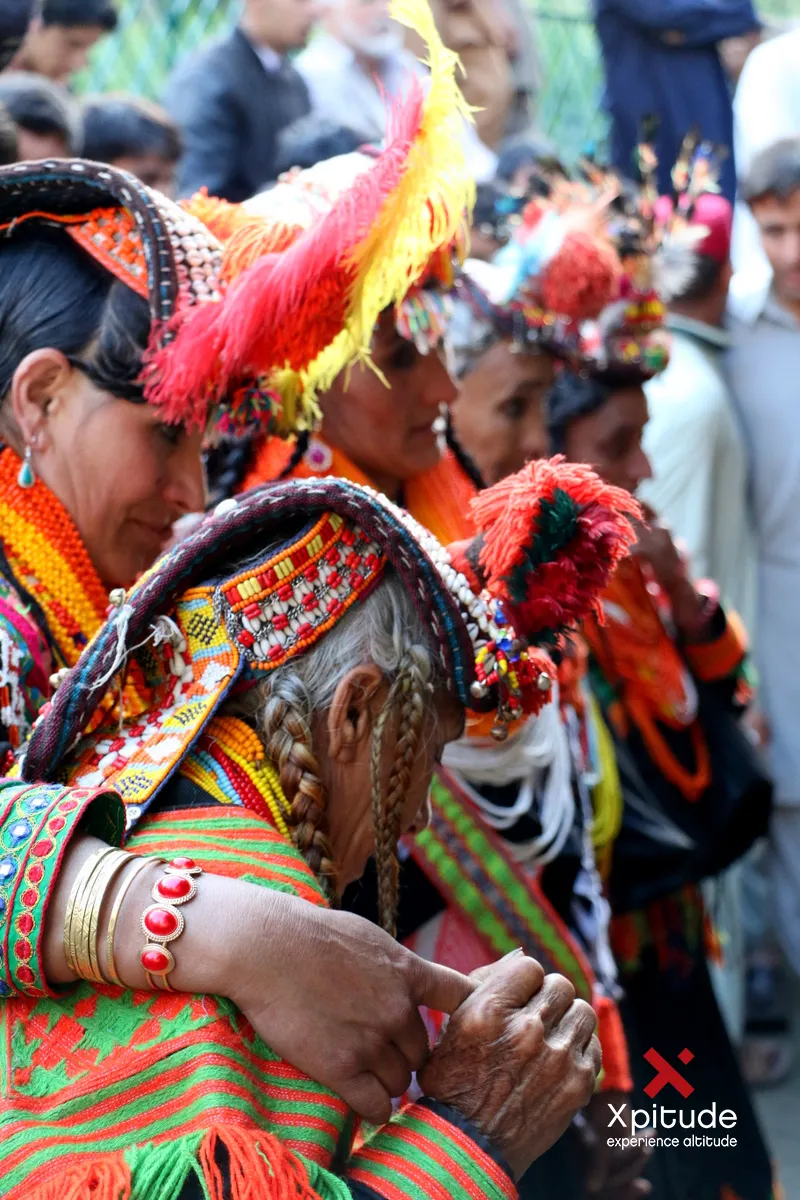
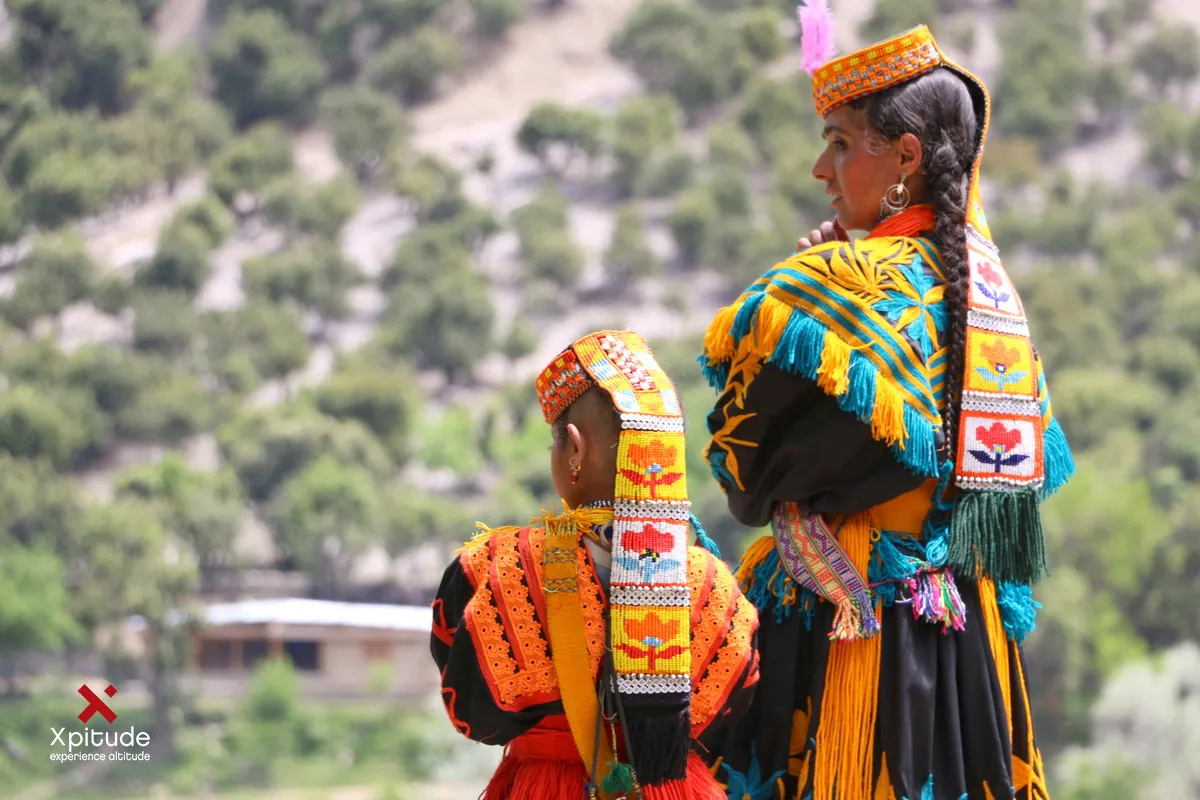
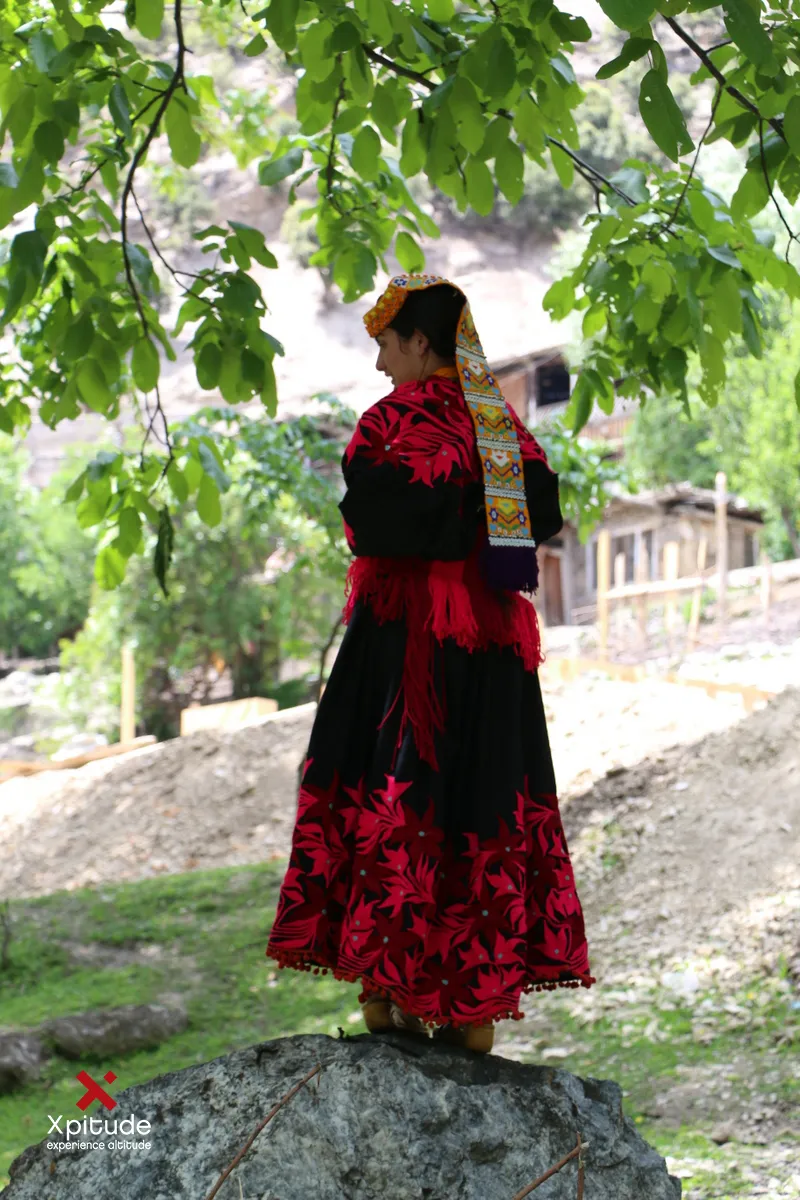
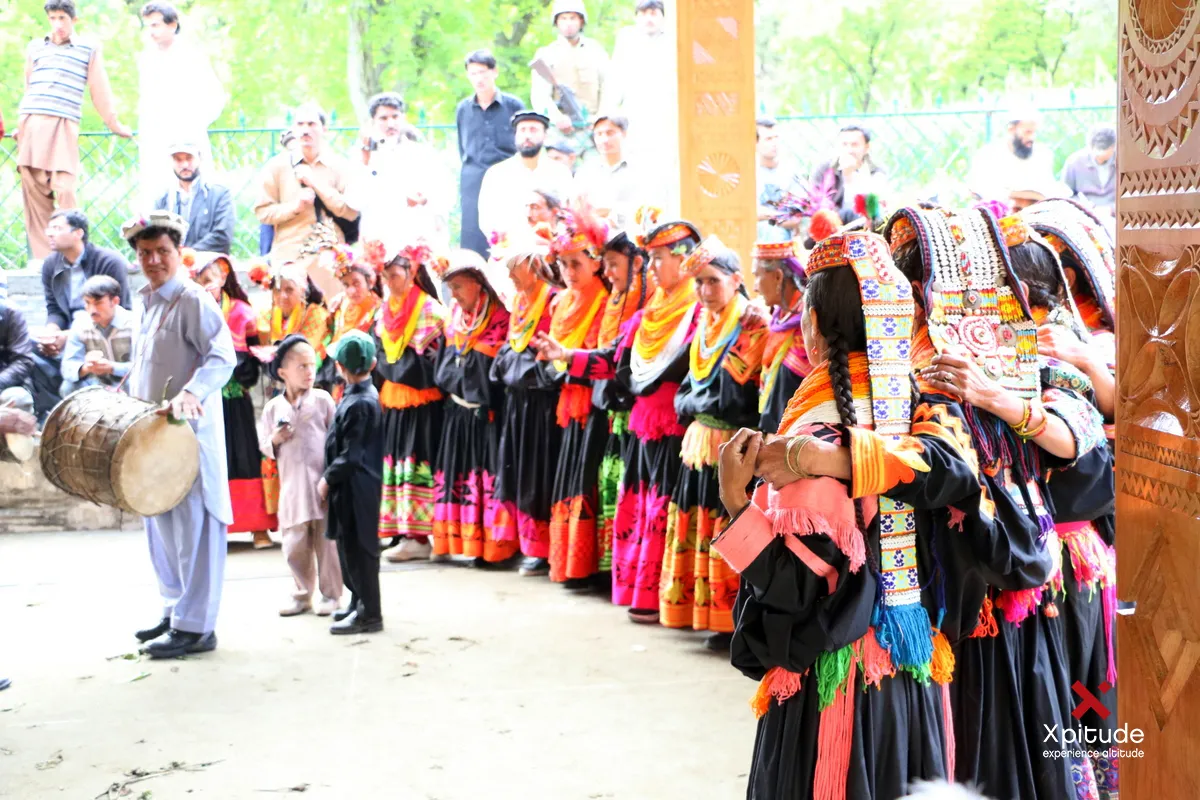
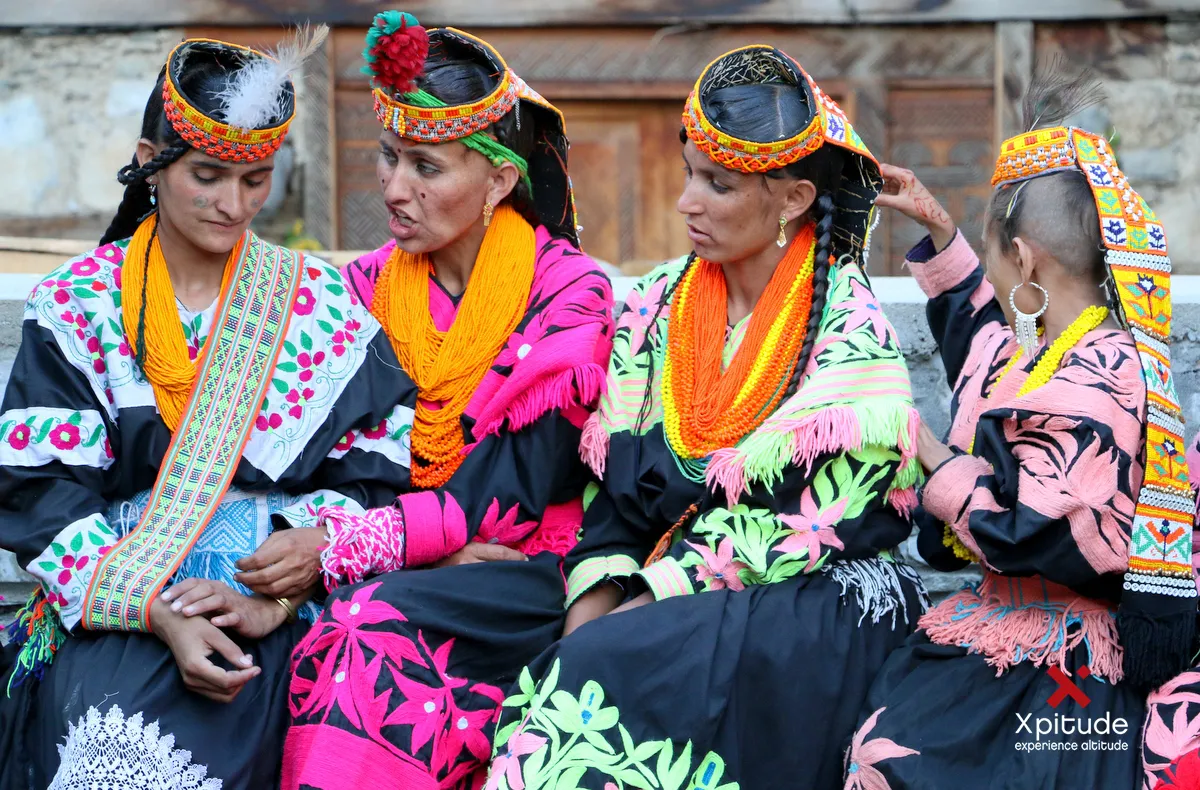
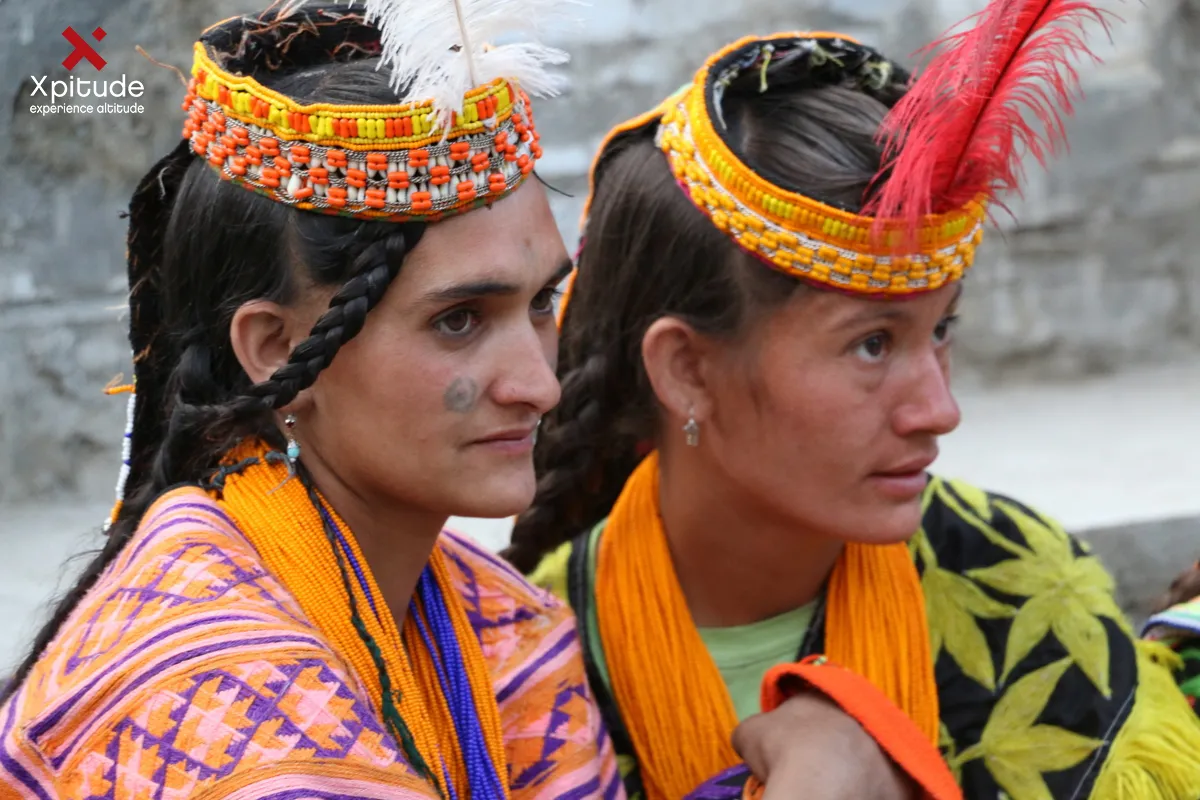
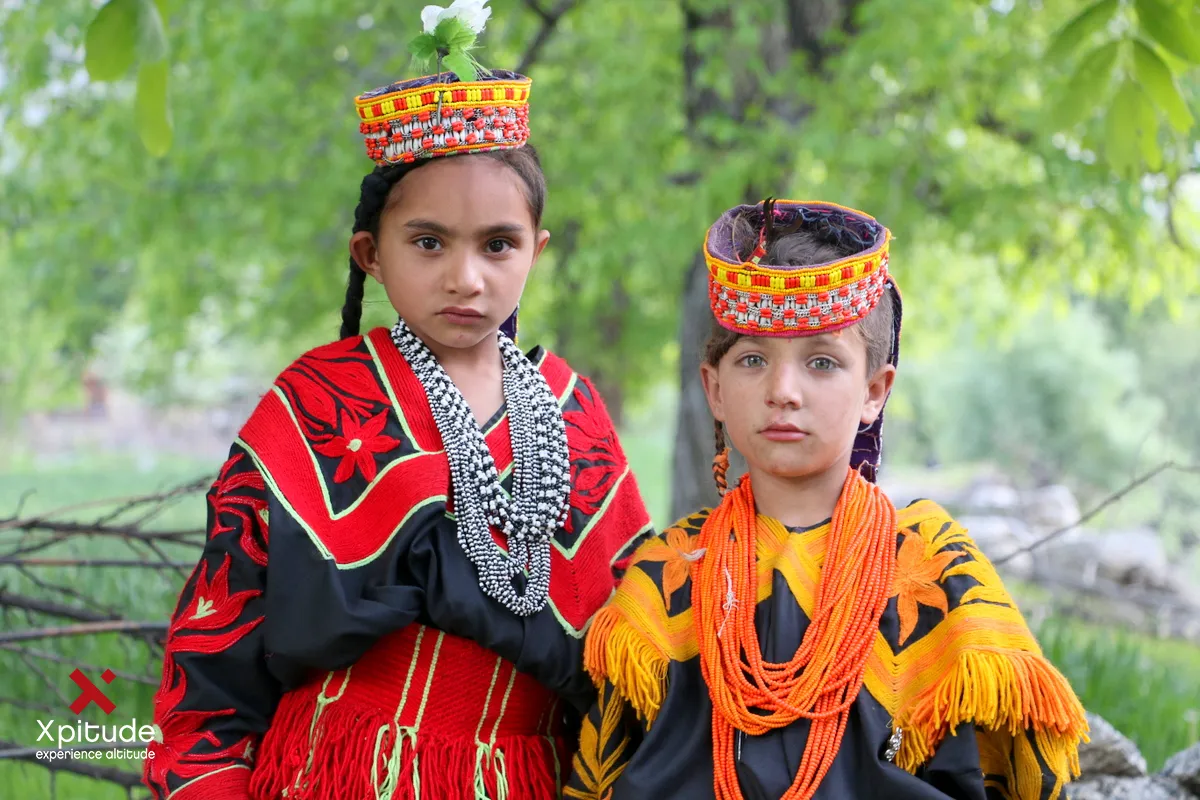
Chilam Joshi is usually held in mid May, as snow melts and herds prepare to move to high pastures. Women wear black robes embroidered in bright colors, layered beads and elaborate headdresses decorated with cowrie shells. Men and women dance in circles to drums, singing songs passed down for generations.
One of the loveliest customs is the sharing of milk with family and friends, a blessing for the safety of fields and animals in the season ahead. After the festival, livestock head up to summer pastures, and the valleys exhale.
How to Be a Good Guest
This is a living faith, not a show. Some spaces are sacred and closed to outsiders, including the bashali, where women stay during menstruation and childbirth. Ask before photographing anyone, and accept a no gracefully.
Kalash and Chitrali hosts are famously welcoming. Walnut bread, fresh cheese and long conversations by the fire are common gifts to visitors who arrive with respect and curiosity rather than a camera first.
Beyond the Festival
Visit the Kalasha Dur museum in Bumburet, walk through Rumbur's quieter villages and look for the carved wooden effigies once placed at graves of honored people. Chitral itself, with its fort and the snow peak of Tirich Mir above town, deserves a day too.