In this story
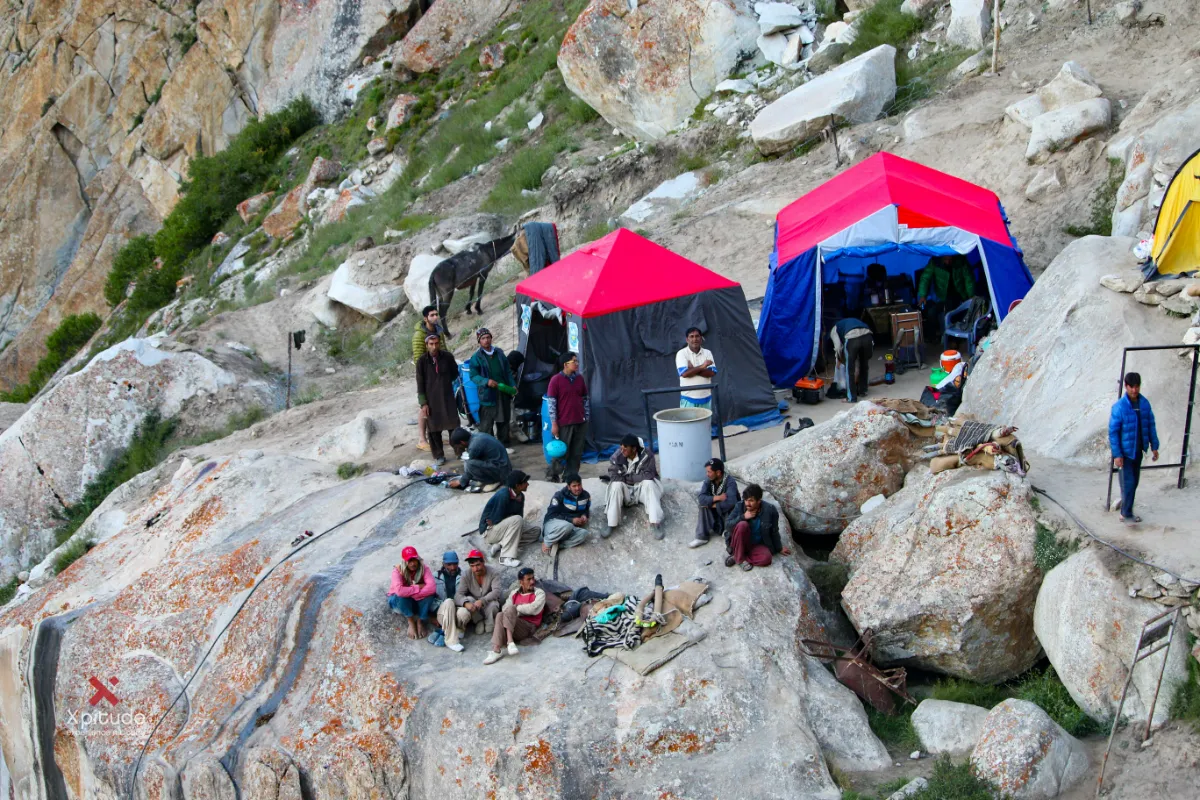
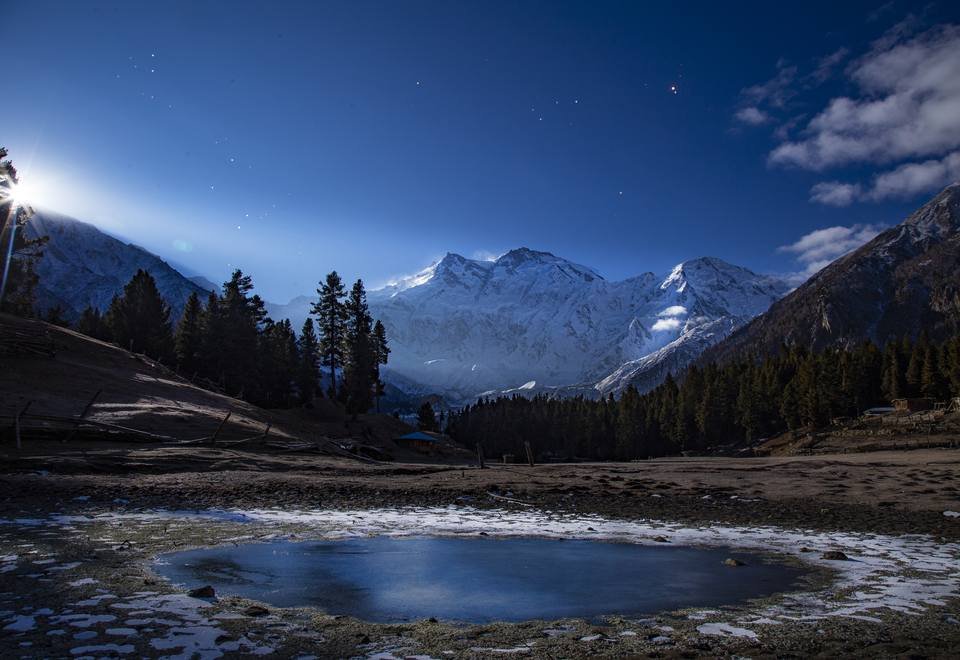
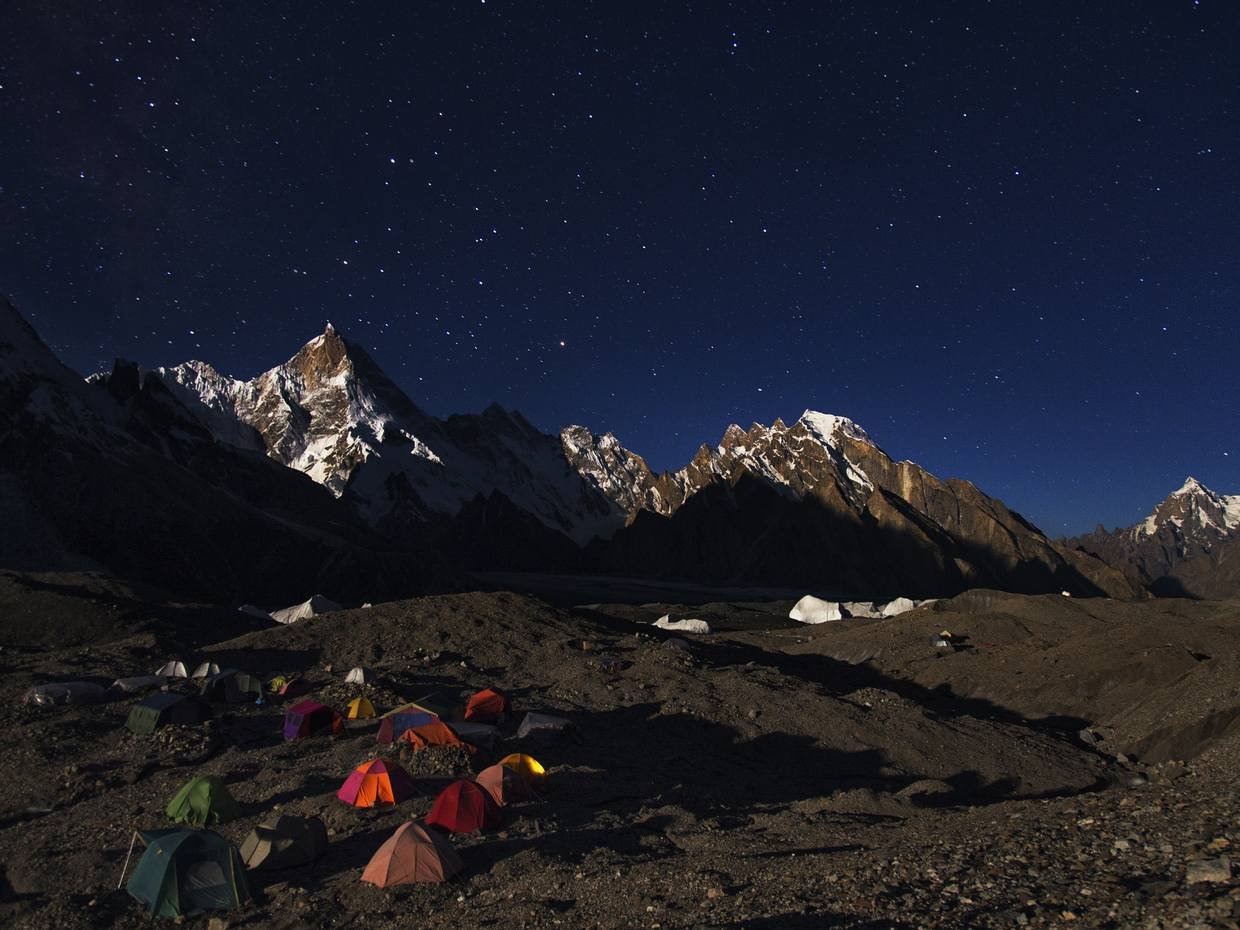
A night at 4,300 metres, and why we now carry insulated sleeping tents on every Baltoro departure. On the K2 Base Camp trek, the nights above the Baltoro Glacier are as much a part of the journey as the days, and they shape how we plan and what we ask you to pack.
Camps on the way to Concordia
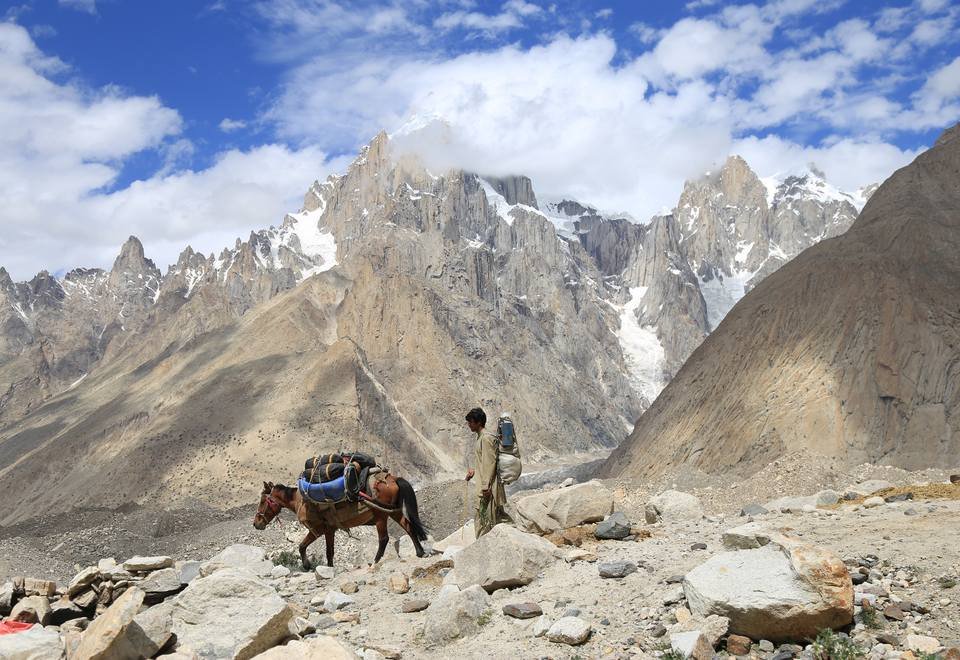
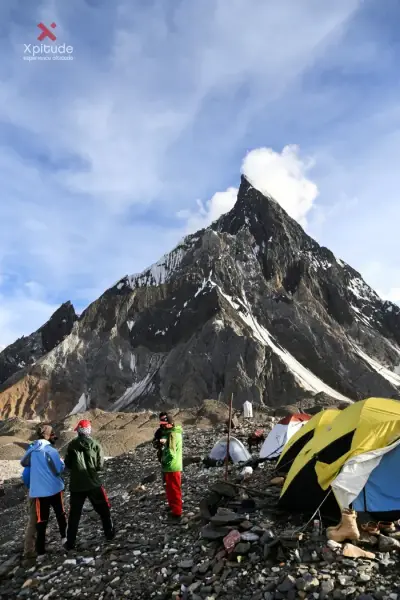
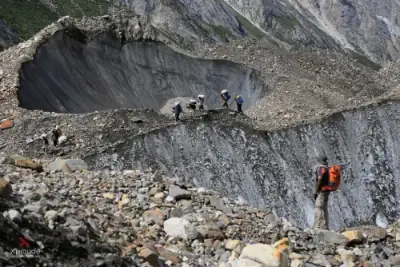
The route climbs steadily: Paiju, Khoburtse, then Urdukus, a grassy perch facing Trango and Cathedral Towers. On the tenth day the group reaches Goro II and camps on the glacier itself, before the last stage to Concordia at around 4,600 metres.
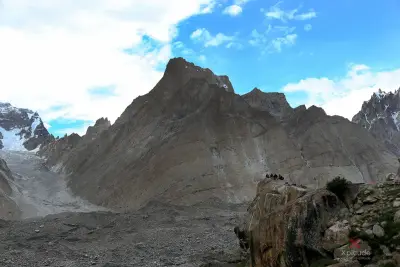
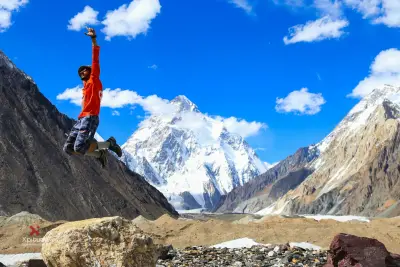
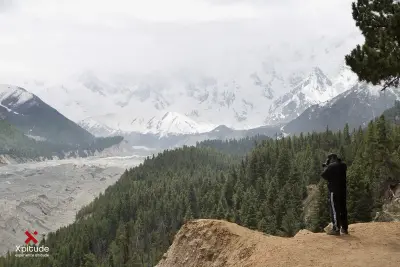
The trek begins with the Trango Towers, granite spires so vertical they look photoshopped. Then Masherbrum, the Cathedral, Gasherbrum IV glowing pink at sunset. Each camp feels like a new room in an enormous stone cathedral, and from Concordia, K2, Broad Peak, the Gasherbrums and Masherbrum line up in a single panorama.
Why the cold is the thing to pack for
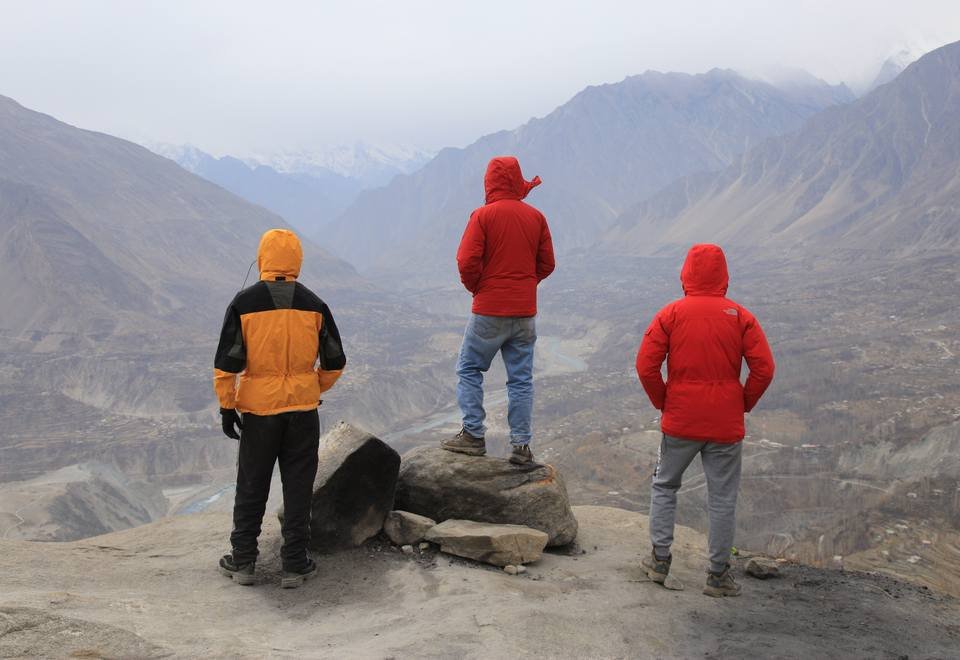
On routes that sleep above 4,000 metres, the cold is the thing to pack for. Bring a warmer sleeping bag, a heavier down jacket, insulated gloves and glacier grade sunglasses. Your sleeping bag should suit the lowest night temperature on your route, and a liner adds warmth for very little weight.
What we changed
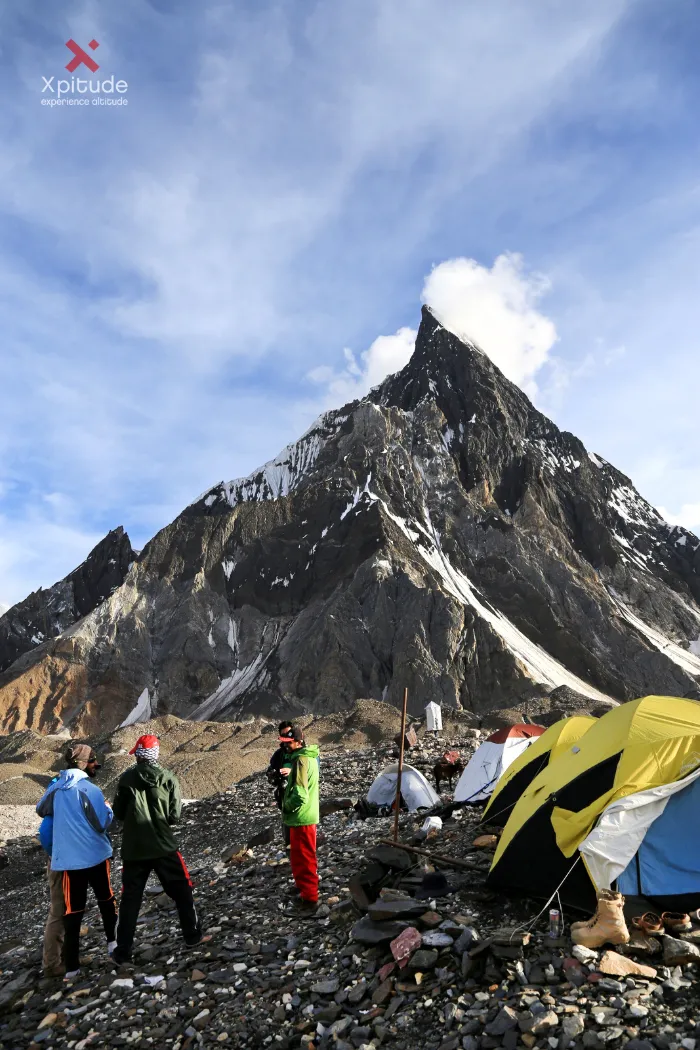
That night at 4,300 metres is why insulated sleeping tents now go on every Baltoro departure. Camping equipment and trekking meals are part of the expedition, so the shelter you sleep in is our responsibility, not yours.
Sleep and altitude
Headache, poor sleep and loss of appetite are common in the first days at altitude. Tell your guide about any symptom, however small. If symptoms get worse, the treatment is to go down, and your guide makes that call.
The itinerary is paced for this, with rest and acclimatization days at Paiju and at Concordia, and a reserve day for weather. Height is gained gradually, with rest days built in.